


The Essential Guide to Floral Bouquet Prices in 2025
Understanding floral bouquet prices in 2025 is more important than ever, as global trends and changing consumer expectations reshape the floral industry. Transparent pricing now empowers individuals and event planners to make smarter choices for weddings, special occasions, and gifts.
Knowing how to maximize your budget ensures you get the best flowers without costly surprises. This guide will break down 2025 bouquet pricing, explain key factors influencing costs, highlight current market trends, and offer practical tips for making informed, value-driven floral purchases.
The State of the Floral Industry in 2025
Understanding the landscape of floral bouquet prices in 2025 requires a close look at the evolving industry. New trends, shifting consumer behaviors, and global events all play a role in how much you pay for a bouquet this year. Let us break down the key factors shaping the market, from global supply shifts to local price differences and seasonal spikes.
Key Market Trends Shaping Floral Bouquet Prices
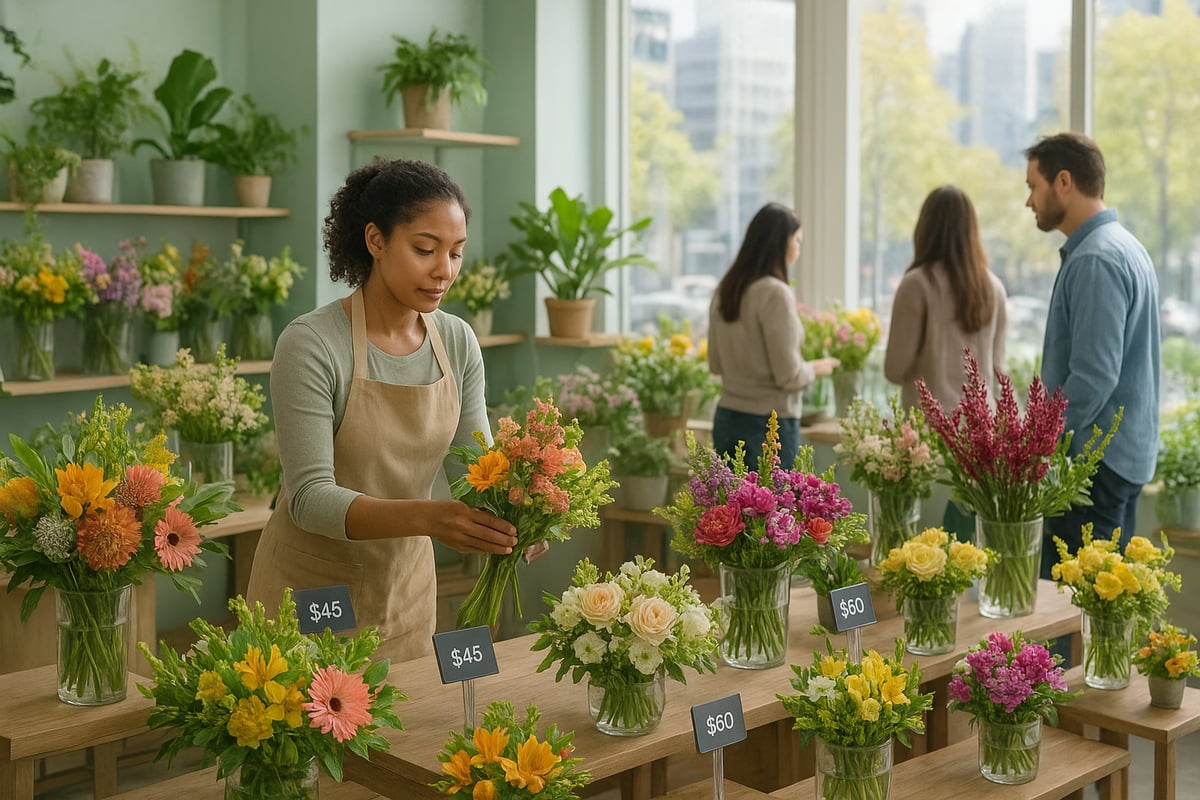
The floral industry in 2025 is experiencing several transformative trends that directly impact floral bouquet prices. Global supply chain disruptions continue to affect flower availability, leading to increased import costs and variable pricing for many popular blooms.
Sustainability is another driving force. More florists are sourcing locally grown and eco-friendly flowers, which can command higher prices due to limited supply or premium certifications. At the same time, the demand for unique, exotic, or rare flowers has grown, especially in high-end arrangements.
Digital flower retailers and subscription services are becoming more prominent, offering competitive pricing and convenience. However, these models may also introduce new delivery and packaging fees, affecting the final cost. The post-pandemic surge in events like weddings and corporate functions has further boosted demand, contributing to an average 8 percent year-over-year increase in floral bouquet prices from 2023 to 2025, according to recent 2025 Floral Consumer Trends Mid-Year Update.
Here is a quick comparison of traditional florist and online marketplace pricing in 2025:
| Florist Type | Average Bouquet Price | Delivery Options |
|---|---|---|
| Traditional Florist | $70 | In-store, local |
| Online Marketplace | $62 | Nationwide, fast |
Consumers see more choices, but must weigh service and quality as part of the overall value.
Regional Price Variations
Floral bouquet prices vary significantly depending on location. Urban centers often see higher prices due to increased demand, overhead costs, and access to premium or imported flowers. In contrast, rural areas with nearby flower farms may benefit from lower costs and fresher options.
Regional hubs, such as California in the US or the Netherlands in Europe, influence local markets by providing abundant, affordable blooms. Across global regions, differences are notable. For example, the median bouquet price in New York City is approximately $85, while in the Midwest US, it averages closer to $55.
| Region | Median Bouquet Price (2025) |
|---|---|
| New York City | $85 |
| Midwest US | $55 |
| London | £60 |
| Tokyo | ¥8,000 |
Local economies, import tariffs, and farming practices all contribute to these disparities in floral bouquet prices. Consumers should compare options in their area to maximize value.
Seasonal and Event-Based Fluctuations
Seasonality plays a pivotal role in floral bouquet prices. Major holidays, such as Valentine’s Day and Mother’s Day, cause sharp price spikes due to surging demand and limited supply. During wedding season, prices for popular flowers and arrangements rise, while off-peak months often bring discounts.
For example, a dozen roses in February may cost $75, compared to just $40 for the same bouquet in July. Event-driven demand, such as graduations or corporate galas, can also create temporary price increases.
Planning purchases around non-peak periods and considering alternative flower types can help consumers avoid steep fluctuations in floral bouquet prices. Being aware of these cycles is crucial for anyone looking to get the best blooms at the right moment.
Factors Influencing Floral Bouquet Prices
Understanding floral bouquet prices in 2025 means looking beyond the tag and exploring what really drives costs. From the flowers you choose to how they're sourced and delivered, several elements come together to determine what you pay for that perfect bouquet.
Flower Selection and Rarity
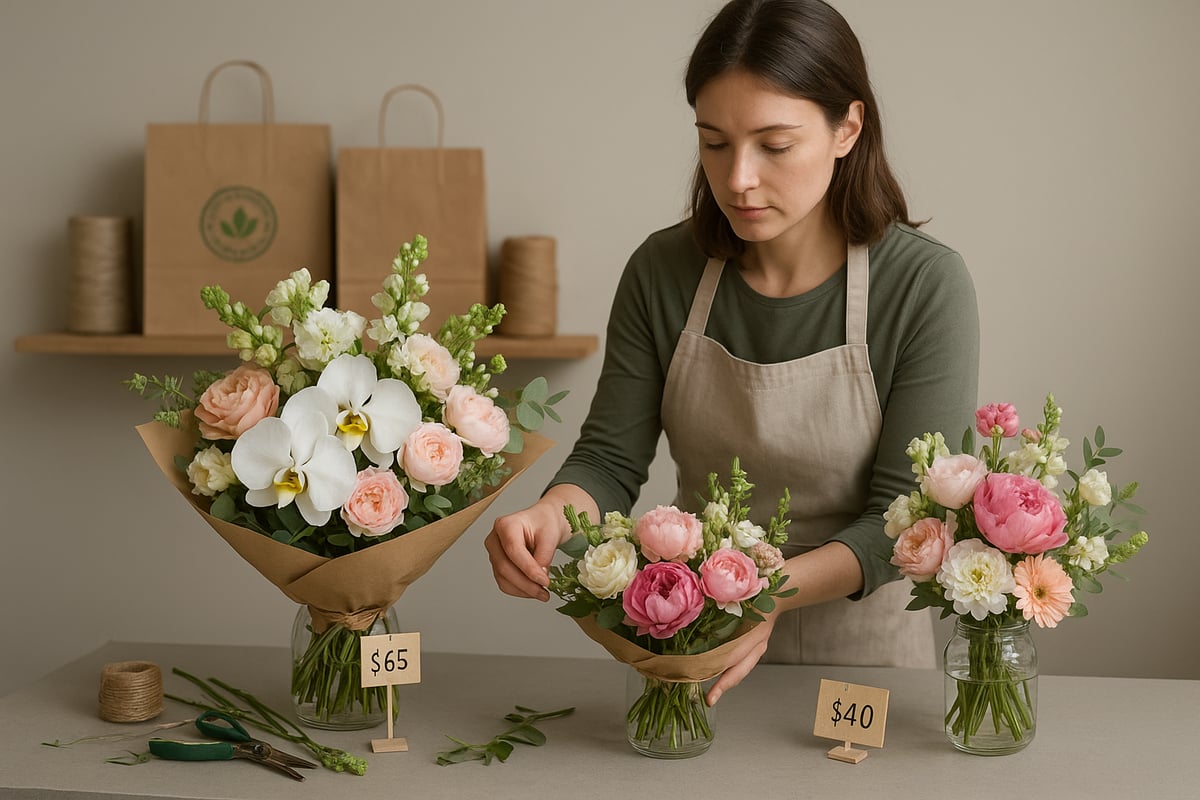
The foundation of floral bouquet prices often lies in the flowers themselves. Common blooms like roses, carnations, and chrysanthemums are usually more affordable, while rare varieties such as peonies, orchids, or exotic imports command premium rates.
Imported flowers can further increase costs due to shipping, customs, and handling. Locally grown, in-season flowers are typically more budget-friendly, reflecting lower transportation and storage fees. For example, a bouquet featuring seasonal tulips may cost significantly less than one with year-round imported lilies.
Here's a quick price comparison:
| Flower Type | Seasonal (Local) | Year-Round (Imported) |
|---|---|---|
| Tulips | $35 | $55 |
| Peonies | $60 | $90 |
| Roses | $40 | $50 |
Choosing unique or rare flowers can elevate the bouquet's aesthetic, but it will also raise floral bouquet prices, especially during off-peak months.
Bouquet Size, Complexity, and Customization
The size and artistry of a bouquet play a crucial role in shaping floral bouquet prices. A simple hand-tied arrangement with a modest stem count will cost less than a grand, cascading bouquet designed for a wedding or special event.
Customization—such as special color palettes, unique shapes, or luxury wrapping—adds to the final price. Labor and the florist's expertise are key factors in premium pricing, reflecting the time and skill required for intricate designs.
For a deeper dive into how arrangement styles impact cost, you can consult the Floral Arrangement and Bouquet Guide.
A simple bouquet might range from $30 to $60, whereas a complex, designer piece could exceed $150. The more personalized your request, the higher the floral bouquet prices will be.
Sourcing, Sustainability, and Certification
Another factor influencing floral bouquet prices is the method of sourcing and commitment to sustainability. Bouquets made from certified organic, fair-trade, or sustainably farmed flowers tend to be more expensive due to higher production standards and ethical practices.
Eco-friendly bouquets are in high demand, especially among conscious consumers. This demand leads to price premiums, as growers invest in sustainable farming, water conservation, and eco-certified packaging. For example, an eco-certified bouquet may cost 15–25% more than a conventional one.
Choosing sustainable options not only supports ethical practices but also impacts floral bouquet prices by reflecting the added value of responsible sourcing.
Delivery, Packaging, and Add-Ons
Delivery logistics and presentation extras also contribute to floral bouquet prices. Fast delivery options, weekend drop-offs, or long-distance shipping can increase costs. Metropolitan areas often have higher delivery fees compared to rural addresses, reflecting traffic, distance, and labor.
Premium packaging, decorative vases, greeting cards, and small gifts are popular add-ons. Each additional feature, from a luxury box to a personalized message, adds to the final bill. For instance, standard delivery might be $10 in a city but $20 in a rural region.
When planning your purchase, factor in these elements, as they can quickly increase floral bouquet prices beyond the base cost.
Floral Bouquet Price Ranges by Occasion
Understanding floral bouquet prices in 2025 requires a closer look at how costs fluctuate depending on the occasion. Whether you are gifting flowers, planning a wedding, or selecting arrangements for corporate or memorial events, knowing what to expect helps you make the most of your budget. Below, we break down price ranges, influencing factors, and key examples for each major use case.
Everyday Bouquets and Personal Gifting
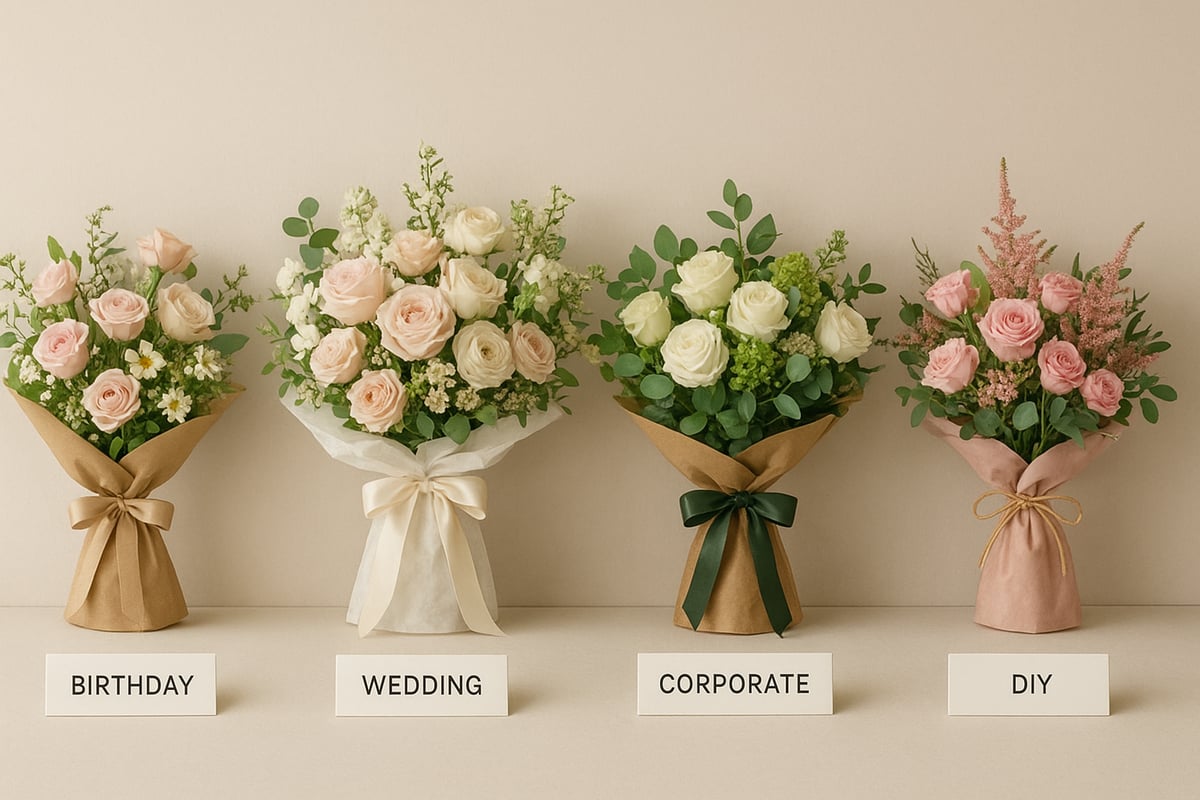
For daily gifting or small celebrations, floral bouquet prices typically range from $30 to $60 in 2025. Several factors influence where your bouquet falls within this range:
- Choice of flowers: Seasonal and locally grown blooms are more affordable.
- Size: More stems or larger arrangements increase the price.
- Delivery: Same-day or weekend delivery adds a premium.
For example, a mixed seasonal bouquet for a birthday averages around $45, with prices rising if you select imported or exotic flowers. Urban areas may see slightly higher rates due to increased demand and delivery logistics. By choosing in-season flowers, you can maximize value and enjoy fresher, longer-lasting bouquets.
Wedding Bouquets and Event Arrangements
When it comes to weddings and large events, floral bouquet prices show a much broader spectrum. Bridal bouquets typically cost between $100 and $350 or more, depending on flower selection, size, and design complexity. Bridesmaid bouquets are generally priced lower, from $60 to $120 each.
Event centerpieces and large-scale installations can further elevate the total cost. Customization is a primary driver; intricate cascading arrangements or rare blooms like peonies and orchids can push prices higher. Seasonality also plays a significant role, as popular flowers may be more expensive during peak wedding months.
| Arrangement Type | Average Price (2025) |
|---|---|
| Bridal Bouquet | $100–$350+ |
| Bridesmaid Bouquet | $60–$120 |
| Event Centerpiece | $80–$300 |
| Large Floral Install | $400–$2,000+ |
A typical wedding floral package in 2025, which includes bouquets, boutonnieres, and table arrangements, starts around $1,500 and can exceed $5,000 for elaborate events. As floral bouquet prices continue to rise, working closely with your florist to select in-season and locally sourced flowers can help keep costs manageable.
Corporate, Sympathy, and Luxury Bouquets
Corporate gifting and sympathy flowers often command higher floral bouquet prices, especially for premium or custom designs. Corporate arrangements typically range from $75 to $300, depending on the size and exclusivity of the bouquet. Sympathy bouquets, designed for funerals or memorials, are priced similarly but may include more traditional flowers such as lilies and roses.
Luxury bouquets, especially those crafted for executive gifts or special occasions, can easily reach $200 to $1,000 or more. For instance, a high-end orchid arrangement for an executive client may cost upwards of $500, reflecting the rarity and elegance of the chosen blooms. These bouquets often feature sophisticated packaging and add-ons, contributing to the overall price.
DIY vs. Professional Florist Pricing
Choosing between DIY and professional florists is another key factor impacting floral bouquet prices. Assembling your own bouquet using a DIY kit can save 30–50% compared to a florist-made arrangement, but requires time, skill, and access to fresh flowers.
A typical DIY kit for a hand-tied bouquet may cost $25 to $40, while a similar professionally arranged bouquet could range from $50 to $75. The main trade-offs are in convenience, artistry, and the guarantee of quality. For guidance on assembling your own bouquet, you can explore Crafting a Flower Bouquet for tips and inspiration.
Ultimately, understanding these price differences empowers you to choose the best option for your needs, whether prioritizing savings, customization, or a professional touch.
How to Get the Best Value When Buying Bouquets in 2025
Finding the best value for floral bouquet prices in 2025 requires a strategic approach. With shifting trends and a wide range of options, understanding how to shop smartly can help you secure beautiful blooms without overspending. Whether you are buying for an event or a personal occasion, these actionable tips will guide you to maximize your budget and avoid hidden costs.
Timing Your Purchase and Leveraging Seasonal Discounts
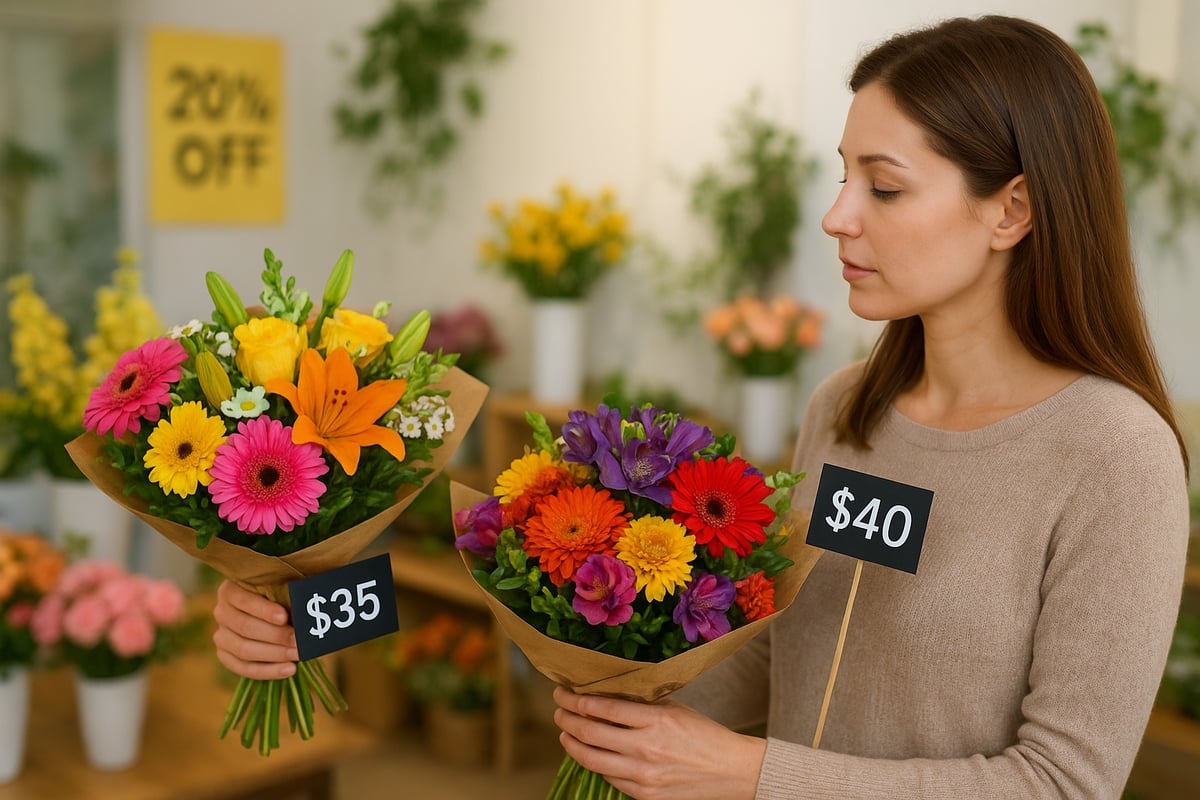
One of the most effective ways to get the best value for floral bouquet prices is to plan your purchase around seasonal trends. Flower prices often fluctuate based on holidays such as Valentine’s Day or Mother’s Day, when demand surges and costs rise. By purchasing bouquets during off-peak times or taking advantage of post-holiday sales, you can find significant savings.
Consider pre-ordering your flowers for important events. Florists may offer early-bird discounts or special rates for advance orders. Additionally, buying in-season blooms not only ensures freshness but also helps lower floral bouquet prices, as locally available flowers are less expensive to source.
- Shop during off-peak months for better deals
- Pre-order for weddings or large events to lock in lower rates
- Choose in-season flowers to maximize quality and minimize costs
Choosing the Right Florist: Local vs. Online Retailers
Selecting the right florist can have a major impact on floral bouquet prices. Local brick-and-mortar shops often provide personalized service and unique arrangements. They may also offer flexibility with customization and delivery timing. However, online retailers typically present a broader selection and competitive pricing, thanks to streamlined operations and bulk sourcing.
When deciding between local and online options, review customer testimonials, compare guarantees, and examine delivery policies. Some online platforms, such as the Affordable Event Flowers Collection, feature curated selections at accessible price points, making it easier to find quality bouquets within your budget.
- Local florists: personalized service, custom designs
- Online retailers: wider selection, potential savings
- Always evaluate reviews and guarantees for peace of mind
Understanding Pricing Transparency and Hidden Fees
Transparency is crucial when evaluating floral bouquet prices. Always request detailed quotes that include all potential add-ons, such as delivery fees, taxes, packaging, and rush charges. Many buyers overlook these extras, which can quickly inflate the final price beyond the advertised amount.
Ask for a full breakdown of costs before finalizing your order. Some florists may bundle certain fees or offer promotions that reduce or eliminate common surcharges. By understanding exactly what you are paying for, you can avoid surprises and ensure you are truly getting the best value for your bouquet.
| Fee Type | Typical Cost | How to Save |
|---|---|---|
| Delivery | $10–$25 | Look for free promos |
| Packaging | $5–$15 | Opt for basic wrap |
| Rush Charges | $10–$20 | Order in advance |
Customization Without Breaking the Bank
Personalizing your bouquet does not have to mean overspending. Discuss your budget with your florist and ask about affordable customization options, such as adding lush greenery or substituting premium stems with seasonal alternatives. Many florists offer a “designer’s choice” option, letting them craft a unique arrangement using the freshest available flowers at a better price.
- Prioritize in-season, local flowers for cost-effective beauty
- Use greenery and filler flowers to add volume without added expense
- Request a designer’s choice bouquet for a surprise and savings
By following these strategies, you can navigate floral bouquet prices in 2025 with confidence. A thoughtful approach ensures you enjoy beautiful arrangements tailored to your needs, all while making the most of your floral budget.
Predictions and Emerging Trends Impacting Bouquet Prices
Staying ahead of the curve in 2025 requires understanding how new trends and innovations are shaping floral bouquet prices. As the market evolves, both technology and shifting consumer values are redefining how bouquets are sourced, designed, and priced. Let us explore the key developments influencing the future of floral bouquet prices.
Technological Innovations in Flower Sourcing and Delivery
Technology is revolutionizing the way florists operate and directly impacting floral bouquet prices. AI-driven inventory management and automation streamline supply chains, making it easier for florists to access fresh blooms with minimal waste. These advancements help reduce operational costs, which can result in more competitive pricing for consumers.
E-commerce platforms and direct-from-farm models are also changing the landscape. By connecting buyers directly with growers, these platforms cut out intermediaries, sometimes offering fresher flowers and lower prices. Subscription-based services are gaining traction, providing regular deliveries at discounted rates for loyal customers.
According to the Fresh Flower Market Overview & Outlook to 2033, digital transformation and new delivery models are expected to drive continued growth and keep floral bouquet prices dynamic. As technology further integrates into the industry, consumers will see more transparent pricing and innovative bouquet options.
Sustainability and Ethical Sourcing as Price Drivers
Sustainability is no longer a niche concern, it is a major force shaping floral bouquet prices across the globe. Consumers increasingly demand traceable, eco-conscious flowers, leading florists to source certified organic or fair-trade blooms. These sustainable practices often come with a price premium, reflecting the higher costs of ethical farming and certification.
Zero-waste packaging and carbon-neutral delivery options are also influencing bouquet costs. Florists investing in greener operations pass some of those expenses onto consumers, but many buyers are willing to pay extra for peace of mind. The 2024 Floriculture Sustainability Survey shows that over 60 percent of buyers in 2025 prioritize sustainability when purchasing bouquets.
Table: Sustainability Features and Pricing Impact
| Feature | Impact on Price |
|---|---|
| Organic certification | Moderate increase |
| Fair-trade sourcing | Moderate increase |
| Zero-waste packaging | Slight increase |
| Carbon-neutral delivery | Slight increase |
Sustainable choices add value, but they also contribute to rising floral bouquet prices, especially as demand for ethical options grows.
The Rise of Experiential and Statement Floral Arrangements
Modern consumers seek more than just flowers, they want memorable experiences and bold statements. This trend is driving demand for oversized, interactive, or themed bouquets, often customized for events or branding. These unique designs require rare blooms, intricate artistry, and creative presentation, all of which increase floral bouquet prices.
Immersive floral installations, such as flower walls or branded event displays, are especially popular for corporate gatherings and luxury weddings. These arrangements often command premium prices, sometimes exceeding $1,000 for large-scale creations. Social media also fuels this trend, as clients desire Instagram-worthy designs that stand out in photos.
As experiential arrangements become more mainstream, florists must balance creativity with cost, ensuring that floral bouquet prices reflect the expertise and materials involved. This trend is set to shape the upper tier of the market in 2025 and beyond.
Step-by-Step Guide: Budgeting for Your Floral Bouquet in 2025
Planning for floral bouquet prices in 2025 requires a structured approach. Whether you are celebrating a milestone or sending a thoughtful gift, budgeting wisely ensures you get the most value from your bouquet. Follow these seven steps to navigate the process confidently.
Step 1: Define Your Occasion and Floral Needs
Start by identifying the event or reason for your bouquet. Is it for a wedding, birthday, corporate event, or sympathy gesture? Clarifying the recipient, preferred bouquet style, and any must-have flowers or colors will guide every decision that follows.
Make a list of essential elements. For example, do you want a classic rose arrangement, or do you prefer a lush, garden-inspired look? Consider if the bouquet should match a theme or color palette.
Being specific at this stage helps you communicate clearly with florists and sets the foundation for comparing floral bouquet prices later in the process.
Step 2: Set a Realistic Budget Range
Next, research average floral bouquet prices for your occasion and location. Prices can vary widely by city, season, and type of arrangement. For instance, the global cut flower market is expected to reach $63.53 billion by 2034, highlighting how market growth can influence costs. For more context on market size and trends, see Cut Flower Market Size to Reach USD 63.53 Billion by 2034.
Factor in delivery fees and customization. Decide on a comfortable spending range, but leave a cushion for unexpected add-ons. Having a clear budget will help you prioritize features and avoid overspending as you compare floral bouquet prices.
Step 3: Research Florists and Compare Options
Shortlist reputable florists, both local shops and online platforms. Read reviews, check ratings, and ask for recommendations. Request itemized quotes that break down costs for flowers, design, packaging, and delivery.
Create a simple comparison table:
| Florist Name | Base Price | Delivery Fee | Customization | Reviews |
|---|---|---|---|---|
| Florist A | $75 | $15 | Yes | 4.8/5 |
| Florist B | $60 | $10 | No | 4.5/5 |
Compare what each florist includes for their quoted floral bouquet prices. Pay attention to guarantees, return policies, and customer service responsiveness. This research stage is crucial to finding the best combination of value and quality.
Step 4: Optimize Your Flower Choices
Selecting in-season, locally grown flowers can offer better value and freshness. Consider mixing premium stems with affordable fillers or greenery to create a lush look without exceeding your budget.
For inspiration, explore unique combinations like tulips, which can add vibrancy and affordability. See ideas in Bouquet with Tulips Inspiration.
Ask your florist to recommend substitutions if a flower is out of season or costly. This step allows you to manage floral bouquet prices while achieving a beautiful arrangement tailored to your preferences.
Step 5: Review Add-Ons and Delivery Options
Assess all add-ons, such as premium packaging, vases, and greeting cards. Delivery fees may vary based on distance, timing, and speed. Some florists offer bundled deals or free delivery promotions, especially for larger orders.
List your must-have extras and compare their costs across florists. Understanding these details helps you avoid surprises and keeps your floral bouquet prices within budget.
Step 6: Finalize and Place Your Order
Once you have made your selection, confirm all details in writing. Double-check the total cost, including any taxes, delivery fees, and customizations. Ask about bouquet care instructions to maximize the longevity of your flowers.
Secure your order with a trusted payment method. Ensure the florist provides a receipt and order confirmation. This step guarantees transparency and helps you track your floral bouquet prices throughout the process.
Step 7: Evaluate Your Experience and Value
After receiving your bouquet, review the quality, freshness, and presentation. Was the arrangement as expected? Did the florist deliver on time?
Share your feedback with the florist and consider posting a review online. Reflecting on your experience will inform future purchases and help others make informed decisions about floral bouquet prices.
As you explore the evolving landscape of floral bouquet prices in 2025, it’s clear that making informed choices can truly elevate your next event or special moment. From understanding seasonal trends to discovering innovative floral designs that make a statement, you have more options than ever before. If you’re curious about how oversized, lifelike flowers could transform your occasion or want to learn more about unique, show-stopping arrangements, I invite you to dive deeper into the world of Amazing Giant Flowers.
Want to know more about these flowers?