

Floral Arrangement Bouquet Guide: Creative Techniques for 2025
Ready to transform how you design and present flowers? 2025 is shaping up to be a breakthrough year for anyone passionate about floral creativity.
This guide will introduce you to the most innovative floral arrangement bouquet techniques and trends set to define the year ahead. Whether you are a hobbyist or a professional florist, you will discover new tools, stepwise processes, trending flower mixes, advanced design ideas, and eco-friendly practices to elevate every bouquet.
Unlock the secrets to unforgettable arrangements, learn how to make your designs stand out, and confidently create floral arrangement bouquet masterpieces that leave a lasting impression.
Essential Tools and Materials for Modern Floral Arrangements
Creating a standout floral arrangement bouquet in 2025 begins with selecting the right tools, materials, and flowers. This year’s trends favor innovation, sustainability, and artistic expression, making it essential to update both your toolkit and creative approach.
Must-Have Tools for 2025
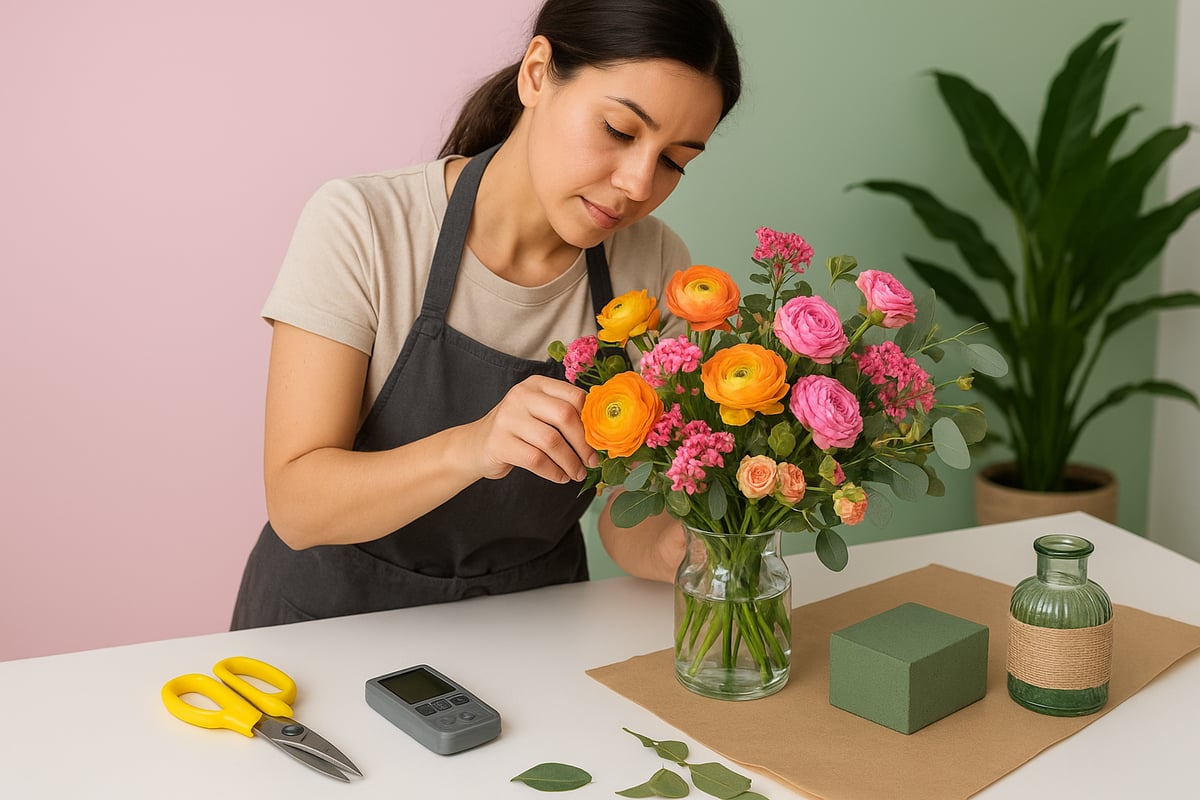
Professionals and hobbyists alike are upgrading their floral arrangement bouquet toolkits in 2025. Essential items now include precision floral shears, ergonomic wire cutters, biodegradable floral foam, reusable vases, and eco-friendly floral tape. Comfort is key, and ergonomic handles are increasingly popular, with 67% of florists adopting them last year according to the Floral Trends Report.
Digital measuring tools are also on the rise, helping designers achieve precise stem lengths for consistent results. Smart vases with hydration sensors are making their way into studios, offering real-time feedback for flower care. For a detailed overview of practical tools and molds, visit the Guide to Flower Molds for Arrangements. These advances make crafting a flawless floral arrangement bouquet more accessible and efficient.
Sustainable and Innovative Materials
Sustainability is shaping every floral arrangement bouquet this year. Designers are shifting toward biodegradable floral foam, recycled ribbons, and bamboo-based wraps to reduce environmental impact. Upcycled glass vases and fabric scraps for wrapping are also gaining traction, blending eco-consciousness with style.
Locally-sourced flowers and foliage not only support community growers but also minimize transport emissions. Incorporating dried and preserved elements, such as seed pods and grasses, extends the bouquet’s lifespan. In 2024, 42% of event bouquets featured at least one sustainable material, highlighting the growing demand for eco-friendly floral arrangement bouquet options.
Flower Selection: Trends and Sourcing
Selecting the right blooms is crucial for a modern floral arrangement bouquet. Trending flowers for 2025 include ranunculus, anthurium, spray roses, and rare orchids. There’s a strong focus on seasonal and native varieties, which ensures freshness and supports local ecosystems.
When sourcing, consider building relationships with local growers or exploring online specialty markets for unique finds. The use of native flowers has increased by 18% year-over-year, reflecting a preference for both sustainability and authenticity. Your floral arrangement bouquet will benefit from this approach, delivering vibrant, long-lasting results.
Color Palettes and Texture Combinations
The color story of your floral arrangement bouquet can transform its mood and appeal. Bold neons, soft pastels, and unexpected color contrasts are trending for 2025. Designers are experimenting by pairing velvety petals with spiky greenery, creating striking visual and tactile effects.
For example, neon pink ranunculus blended with feathery asparagus fern brings both texture and color vibrancy. Color psychology is playing a greater role, as designers select hues to evoke specific moods or energy. By mixing textures and carefully considering palette combinations, your floral arrangement bouquet becomes a true work of art.
Step-by-Step Guide: Creating a Modern Floral Arrangement Bouquet
Creating a stunning floral arrangement bouquet is both an art and a science. This step-by-step guide will help you master each phase, from concept to care, ensuring your arrangements capture attention and last longer. With attention to detail and the right techniques, any enthusiast or professional can design a floral arrangement bouquet that stands out in 2025.
Step 1: Planning Your Bouquet Design
The journey to a memorable floral arrangement bouquet begins with thoughtful planning. Define the bouquet’s purpose: is it for a special event, a heartfelt gift, or a statement piece for home décor? Understanding the context will guide your design choices.
Sketch your ideas on paper or use digital tools to create a mood board. Consider the recipient’s favorite colors, preferred flowers, and the latest trends. For visual inspiration and trending styles, visit the Inspiration Gallery for Arrangements.
Digital bouquet preview apps can help you visualize combinations before buying materials. Taking time to plan ensures your floral arrangement bouquet will be both unique and meaningful.
Step 2: Preparing Flowers and Materials
Proper preparation is essential for a long-lasting floral arrangement bouquet. Start by trimming each stem at a 45-degree angle using sharp, ergonomic floral shears. Immediately place stems in clean water to promote hydration and prevent wilting.
Remove any leaves or foliage that would fall below the waterline. This step helps prevent bacterial growth and extends the bouquet’s freshness. Conditioning your flowers, such as pre-soaking stems, can increase their vase life by up to 30 percent.
Organize all your materials, including floral tape, wire, and vases, before you begin. A well-prepared workspace leads to a more efficient floral arrangement bouquet creation process.
Step 3: Building the Foundation
A stable base is the backbone of any successful floral arrangement bouquet. Use floral tape to create a grid on the vase opening, or opt for a reusable mechanic like a floral frog or foam for more intricate designs.
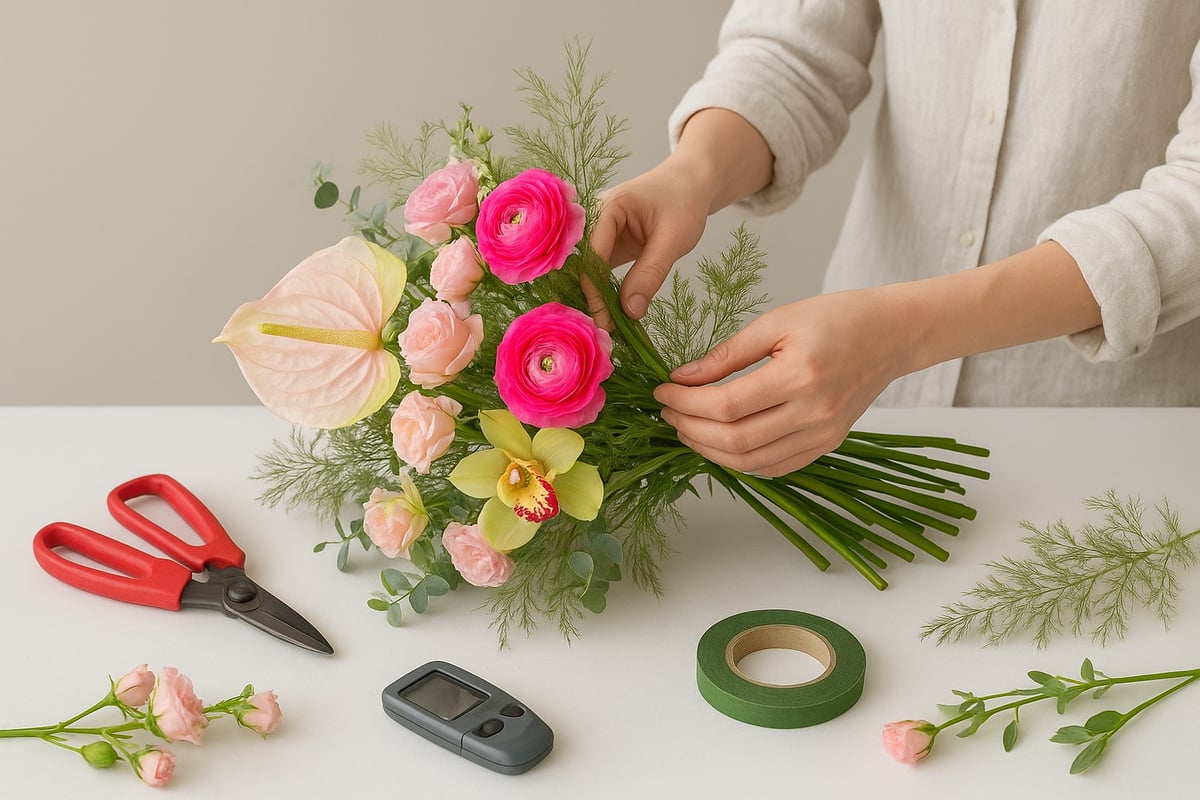
Begin by placing greenery and sturdy stems around the perimeter, forming a supportive structure. The spiral technique is popular for handheld bouquets, allowing stems to interlock naturally and maintain balance.
Building a secure foundation ensures your floral arrangement bouquet remains cohesive and visually appealing as you add more elements.
Step 4: Arranging Focal Flowers
Focal flowers are the stars of your floral arrangement bouquet. Choose statement blooms such as ranunculus, anthurium, or rare orchids, and position them at varying heights for visual interest.
Arrange these key flowers in odd-numbered groupings to create a natural, dynamic look. Adjust angles so each bloom faces outward, ensuring the bouquet looks attractive from every direction.
Balancing the placement of focal flowers will give your floral arrangement bouquet a professional and captivating appearance.
Step 5: Adding Fillers and Texture
Enhance your floral arrangement bouquet by introducing filler flowers and textural accents. Baby’s breath, waxflower, seed pods, and dried grasses are excellent choices for adding volume and interest.
Layer these elements around your focal flowers, weaving them in at different levels to create depth and movement. Combining fresh and dried materials is a trend-forward approach that adds both texture and longevity.
Thoughtful use of fillers ensures your floral arrangement bouquet feels lush and multidimensional without appearing overcrowded.
Step 6: Finishing Touches and Presentation
The presentation of your floral arrangement bouquet is just as important as its construction. Wrap the stems in quality paper, fabric, or reusable wraps, securing them with eco-friendly tape or ribbon for a polished finish.
Add decorative elements such as personalized tags, wax seals, or hydration wraps to protect the bouquet during transport or gifting. Double-check that all stems are secure and the arrangement holds its shape.
A well-presented floral arrangement bouquet leaves a lasting impression and showcases your attention to detail.
Step 7: Care and Maintenance Tips
To maximize the life of your floral arrangement bouquet, follow a few simple care tips. Refresh the water every two days, and re-cut the stems at an angle to promote ongoing hydration.
Keep the bouquet away from direct sunlight, heat sources, and ripening fruit, which can shorten its lifespan. Remove any wilted blooms promptly to maintain overall freshness.
With proper maintenance, your floral arrangement bouquet can last twice as long, allowing you or the recipient to enjoy its beauty well beyond the initial presentation.
Creative Techniques and Advanced Design Methods
Mastering creative techniques is essential for anyone looking to elevate their floral arrangement bouquet in 2025. This section explores advanced design methods that push boundaries and infuse modern flair into every creation.
Asymmetrical and Freeform Arrangements
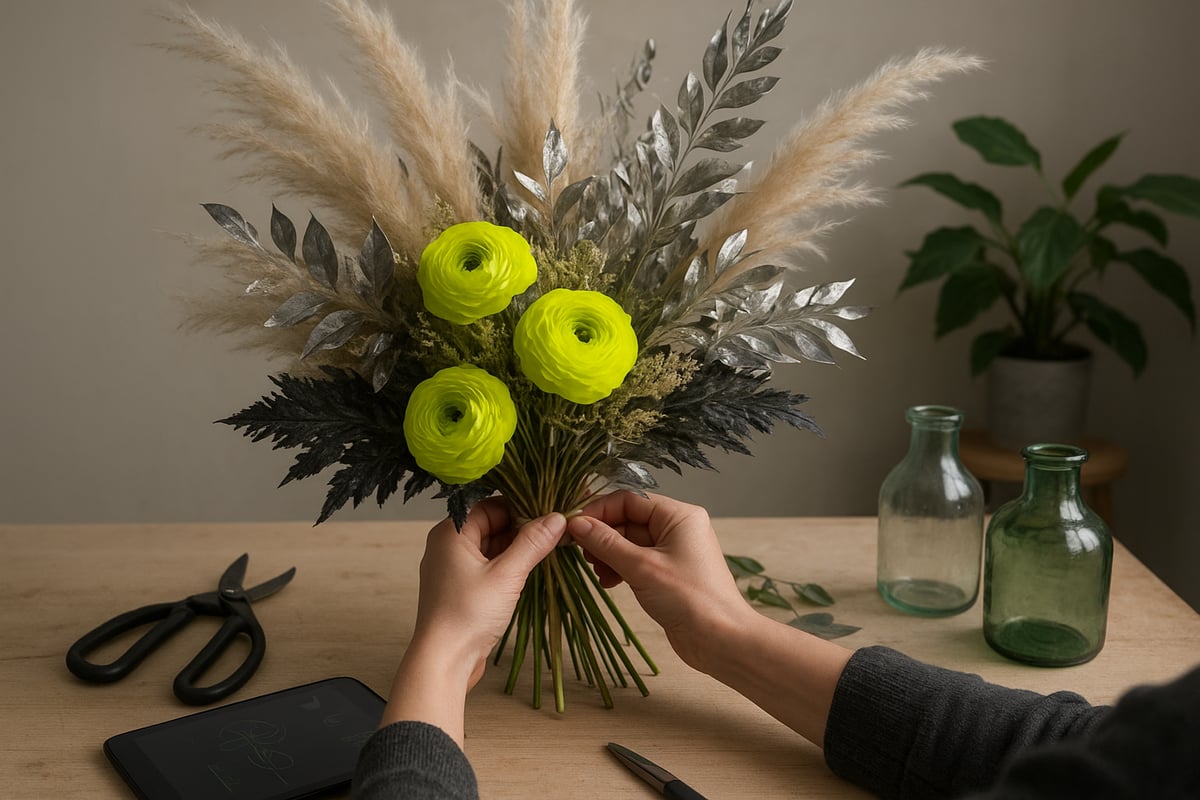
Asymmetrical and freeform designs are redefining the floral arrangement bouquet for 2025. These arrangements break away from strict symmetry, creating a sense of movement and spontaneity.
Designers use techniques like varied stem lengths and strategic negative space to achieve an organic look. The result is a bouquet that feels dynamic, natural, and visually interesting.
For example, avant-garde weddings often feature asymmetrical bouquets with bold focal blooms offset by wispy greenery. This approach allows each floral arrangement bouquet to tell a unique story, making it a favorite for modern events.
Layering and Depth Creation
Layering and depth are key trends in this year's floral arrangement bouquet styles. By combining flowers of different heights, textures, and colors, florists create multi-dimensional bouquets that captivate the eye.
The "depth illusion" trend involves arranging blooms so that some elements recede while others pop forward. This effect can be achieved by layering large focal flowers with delicate fillers and textural greens. According to the American Floral Trends Forecast 2025, such advanced techniques are gaining momentum, especially in event floristry.
A carefully layered floral arrangement bouquet not only looks lush but also feels modern and sophisticated.
Incorporating Non-Traditional Elements
Non-traditional materials are making their way into the modern floral arrangement bouquet. Designers now incorporate fruits, feathers, metallics, and even LED accents for added intrigue.
Summer bouquets might feature fresh citrus slices, while evening events could benefit from subtle fairy lights woven among the stems. In 2024, one in five event planners requested non-floral accents to personalize bouquets.
By blending classic flowers with unexpected components, each floral arrangement bouquet becomes a memorable statement piece.
Hand-Tied vs. Structured Bouquets
Choosing between a hand-tied and a structured floral arrangement bouquet depends on the occasion and desired style. Hand-tied bouquets offer a relaxed, organic feel, making them popular for micro-weddings and casual gatherings. Structured bouquets, on the other hand, provide formal elegance and precise form.
| Style | Technique | Visual Impact | Best For |
|---|---|---|---|
| Hand-Tied | Spiral stem arrangement | Loose, natural | Intimate, casual events |
| Structured | Floral foam or grid base | Defined, sculpted | Formal ceremonies |
Understanding these differences helps you select the right floral arrangement bouquet for any event.
Color Blocking and Ombre Effects
Color blocking and ombre techniques are transforming the floral arrangement bouquet into a true art form. Color blocking groups blooms by hue for bold visual statements, while ombre effects create seamless color transitions.
Designers use gradient arrangements for brand activations or special occasions, where a floral arrangement bouquet might shift from deep magenta to soft blush tones. These methods add drama and cohesion, making bouquets stand out in any setting.
Experimenting with color in this way ensures your floral arrangement bouquet feels both modern and memorable.
Minimalist and Monofloral Bouquets
Minimalist and monofloral styles are gaining traction in urban markets. These bouquets focus on simplicity, often featuring a single flower type or color palette.
Negative space and clean lines define the minimalist floral arrangement bouquet, offering understated elegance. Monofloral designs, such as all-tulip or all-rose bouquets, showcase the natural beauty of each bloom.
Data shows a 25% rise in minimalist bouquets, reflecting a growing appreciation for refined, less-is-more aesthetics in floral arrangement bouquet design.
Upcycling and Eco-Conscious Techniques
Eco-conscious design is now a hallmark of the modern floral arrangement bouquet. Florists repurpose jars, use fabric scraps for wrapping, and adopt zero-waste mechanics to minimize environmental impact.
Upcycling materials not only reduces waste but also adds character to each bouquet. For example, upcycled glass vases and biodegradable wraps are both stylish and sustainable.
Prioritizing eco-friendly practices sets your floral arrangement bouquet apart, meeting the expectations of clients who value sustainability.
Trending Floral Arrangement Bouquet Styles for 2025
The world of floral arrangement bouquet design is evolving rapidly in 2025, presenting a dazzling array of styles for every taste and occasion. From free-spirited wildflowers to sculptural masterpieces, this year’s trends reflect a blend of artistry, sustainability, and personal expression. Let’s explore the most influential looks shaping floral arrangement bouquet creations this season.
Boho Luxe and Wildflower Bouquets
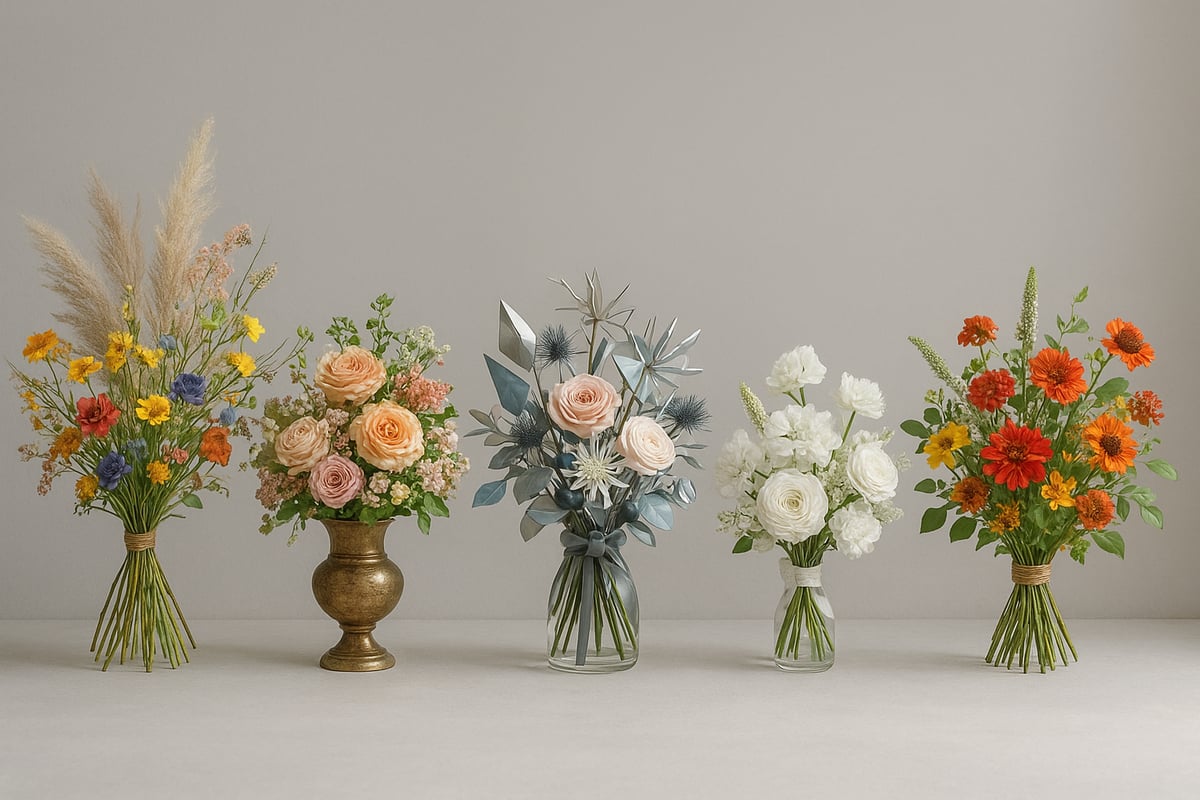
Boho Luxe and wildflower-inspired bouquets are stealing the spotlight in 2025. These floral arrangement bouquet designs are characterized by their relaxed, airy structure and a rich mix of textures. You’ll see an abundance of native blossoms, whimsical wildflowers, and eye-catching elements like pampas grass or bold proteas.
Perfect for outdoor celebrations and rustic venues, the Boho Luxe style thrives on unexpected pairings and a carefree spirit. Designers often include feathery greenery, trailing vines, and pops of color for a natural, just-picked feel. This approach makes each floral arrangement bouquet unique and full of personality.
- Features: Loose shapes, textural variety, native and wild blooms
- Popular elements: Pampas grass, protea, thistle, fern
The Boho Luxe bouquet is ideal for anyone seeking a modern yet organic touch for their floral arrangement bouquet.
Neo-Classical and Vintage Revival
For those drawn to timeless elegance, Neo-Classical and Vintage Revival bouquets offer a return to formality with a modern update. These floral arrangement bouquet styles feature precise, symmetrical shapes and often use heirloom flowers like peonies and garden roses arranged in antique or ornate vessels.
Designers are reviving classic techniques, such as tight domes and structured layering, while incorporating subtle modern twists like unusual color palettes or unexpected foliage. The result is a floral arrangement bouquet that feels sophisticated and nostalgic, perfect for formal events or weddings in historic venues.
- Features: Structured form, heirloom blooms, antique containers
- Popular elements: Peonies, garden roses, ranunculus, classic urns
This vintage-inspired style brings a touch of grandeur and romance to any floral arrangement bouquet.
Futuristic and Sculptural Bouquets
Pushing boundaries in 2025, futuristic and sculptural floral arrangement bouquet trends focus on geometric shapes, bold color blocking, and innovative materials. Inspired by digital art and contemporary architecture, these bouquets often feature metallic foliage, 3D-printed accessories, or even LED accents for dramatic visual impact.
Designers experiment with structure, arranging flowers in striking angles or creating unexpected forms. For evening events, metallic-painted leaves and fairy lights add a high-tech twist. According to Floral Design Trends to Watch in 2025, this approach is gaining traction for brand activations and avant-garde weddings.
- Features: Geometric shapes, metallics, tech-inspired accents
- Popular elements: Anthurium, orchids, 3D-printed decor, LED lights
Futuristic bouquets make a statement, ensuring any floral arrangement bouquet stands out as a true work of art.
Monochrome and Tonal Harmony
Monochrome and tonal harmony styles are making a dramatic comeback. These floral arrangement bouquet designs focus on a single color family, layering different shades and textures for depth and sophistication. An all-white bouquet, for instance, might blend roses, lilies, and hydrangeas with varied greenery to create visual interest without breaking the color scheme.
Florists use this approach to evoke mood and elegance, making monochrome bouquets ideal for minimalist weddings, chic events, or corporate functions. The key is careful selection of blooms and foliage that enhance each other within the chosen palette, resulting in a cohesive floral arrangement bouquet.
- Features: Single-color focus, layered textures, subtle contrasts
- Popular elements: Roses, calla lilies, hydrangeas, eucalyptus
Tonal harmony offers a refined take on the floral arrangement bouquet, perfect for those who appreciate understated beauty.
Seasonal and Local-First Styles
Sustainability continues to influence floral arrangement bouquet trends in 2025, with a strong emphasis on seasonal and local-first designs. Florists are championing regional blooms, selecting flowers at their peak for freshness and reduced environmental impact. This approach not only supports local growers but also ensures each bouquet reflects the unique beauty of its locale.
Seasonal bouquets often highlight native varieties, wild foliage, and even edible herbs for added texture. Data suggests that 60% of wedding bouquets this year will feature locally sourced flowers, underscoring the popularity of this movement.
- Features: In-season blooms, local sourcing, regional character
- Popular elements: Sunflowers, dahlias, native grasses, herbs
Choosing a seasonal floral arrangement bouquet brings authenticity and sustainability together, making every arrangement both meaningful and eco-friendly.
Sustainable and Ethical Floral Arrangement Practices
Sustainability and ethics are reshaping the floral arrangement bouquet industry in 2025. Conscious sourcing, waste reduction, and long-lasting designs are now essential for modern florists and enthusiasts alike. By adopting these practices, you can create bouquets that are as responsible as they are beautiful.
Eco-Friendly Sourcing and Certifications
Choosing eco-friendly flowers is a vital step for any floral arrangement bouquet. Look for blooms from certified sustainable growers—labels like Rainforest Alliance or Fair Trade ensure ethical farming and fair labor. These certifications also support biodiversity and protect natural ecosystems.
When sourcing, prioritize suppliers who offer transparency about their practices. Many florists now highlight their certifications, making it easier to select responsible options. For a deeper dive into how sustainability is influencing bouquet design, see Floral Trends for 2025: What's In and What's Out.
- Certified eco-labels: Rainforest Alliance, Fair Trade, Veriflora
- Traceable sourcing: ask suppliers for certification proof
- Ethical labor: workers receive fair wages and safe conditions
By making these choices, your floral arrangement bouquet becomes a statement of care for both people and the planet.
Low-Waste Design Principles
Reducing waste is at the heart of ethical floral arrangement bouquet creation. Modern florists use compostable wraps, reusable mechanics, and minimal packaging. These strategies not only help the environment but also appeal to clients who value sustainability.
Consider these low-waste techniques:
- Reusable vases or containers for every bouquet
- Compostable floral foam and tapes
- Minimal, recyclable packaging for transport
Event planners report a 30% reduction in waste by applying these principles. Adopting low-waste methods ensures your floral arrangement bouquet leaves a positive impact long after the flowers have faded.
Supporting Local and Seasonal Flower Markets
Supporting local growers is a cornerstone of sustainable floral arrangement bouquet design. Sourcing from nearby farms reduces transportation emissions and supports small businesses in your community. Seasonal, native flowers are fresher, last longer, and often have a smaller environmental footprint.
Benefits of local and seasonal sourcing:
- Reduced carbon footprint from transport
- Direct support for local economies
- Access to unique, region-specific blooms
Urban flower cooperatives and farmer’s markets are gaining traction, making it easier than ever to find local options for your next floral arrangement bouquet.
Dried and Preserved Flowers: Longevity and Style
Dried and preserved flowers are transforming the floral arrangement bouquet landscape. These blooms offer style and sustainability, lasting for months or even years with minimal care. Dried arrangements reduce waste and provide a unique, modern aesthetic.
- Dried, pressed, and preserved blooms extend bouquet life
- Stylish options: pampas grass, preserved roses, dried lavender
- Data: Dried flower sales have risen 38% since 2023
For insight into how floral trends are evolving with these eco-conscious materials, review 2025 Floral Trends: Predictions from Floristry Pros and Growers. Choosing dried and preserved flowers ensures your floral arrangement bouquet remains beautiful and relevant in 2025.
Digital Innovation and Technology in Floral Arrangement
Digital innovation is reshaping every step of the floral arrangement bouquet process. From intuitive design apps to interactive online learning, technology is empowering florists and enthusiasts to create, share, and learn like never before.
Virtual Bouquet Design Tools and Apps
The latest digital tools make designing a floral arrangement bouquet faster and more precise. Leading apps like Florist Pro and BloomSnap offer real-time previews, helping users visualize their creations before arranging a single stem. Features such as augmented reality visualization and digital mood boards allow for instant experimentation with colors, textures, and flower types.
Florists are increasingly relying on these platforms to streamline workflow, reduce errors, and share their designs with clients. For example, AR tools let you see how a bouquet looks in a specific space or vase, supporting confident decision-making. This tech-forward approach is expected to become standard for floral arrangement bouquet planning in 2025.
Social Media Trends and Inspiration
Social media platforms are driving trends in the floral arrangement bouquet world. Instagram, Pinterest, and TikTok showcase viral styles, innovative techniques, and tutorials from top influencer florists. Hashtags like #FloralArrangement2025 have surged by 110 percent in early 2024, reflecting the community's appetite for fresh ideas.
Live streams and story features offer instant access to behind-the-scenes content, while curated feeds inspire both hobbyists and professionals. For additional creative ideas, check out Customer Inspiration: Craft Flower Bouquets, which highlights unique projects and modern design approaches. These digital spaces are crucial for staying ahead in floral arrangement bouquet design.
The Rise of Online Floral Education
Access to expert knowledge is easier than ever, thanks to the growth of online courses and virtual workshops. Over 20,000 students enrolled in floral design MOOCs in 2024, reflecting rising demand for flexible, high-quality education. These programs cover everything from basic floral arrangement bouquet skills to advanced design theory.
Interactive lessons, downloadable resources, and live Q&A sessions enable learners to master new techniques at their own pace. For hands-on tutorials and inspiration, resources like Crafting Flower Bouquets with Tulips offer step-by-step guidance for innovative bouquets. This digital shift ensures that everyone, from beginners to seasoned florists, can elevate their floral arrangement bouquet artistry.
As you explore the latest bouquet trends and innovative techniques for 2025, it’s clear that the right materials and standout designs can truly transform any arrangement. If you’re curious about how giant, hyper-realistic flowers could elevate your own floral creations or want to see more inspiring possibilities for events and installations, let’s keep the conversation going. I invite you to discover what’s possible with unique materials and professional tools—these resources can help you craft show-stopping bouquets that leave a lasting impression.
Want to know more about these flowers?