

EVA Material Guide: Essential Insights for 2026
Advanced materials are transforming the future of product design, and 2026 is set to showcase some of the most exciting breakthroughs yet. Among these, eva material is rapidly gaining attention for its remarkable versatility and performance.
EVA, or ethylene-vinyl acetate, stands out as a material to watch due to its unique balance of flexibility, durability, and comfort. As industries seek solutions that combine innovation with reliability, EVA is emerging as a smart choice for designers and engineers.
This guide provides essential, up-to-date insights into eva material, including its key properties, diverse applications, cutting-edge innovations, sustainability efforts, and tips for selecting the best type for your projects. Ready to discover why EVA is the material to watch in 2026? Read on for expert guidance and actionable trends.
What is EVA Material?
Ethylene-vinyl acetate, commonly known as EVA material, is gaining attention for its versatility in product design and manufacturing. As industries seek advanced materials with a balance of performance and adaptability, understanding the fundamentals of EVA material is essential for informed selection and innovative use.
Definition and Chemical Composition
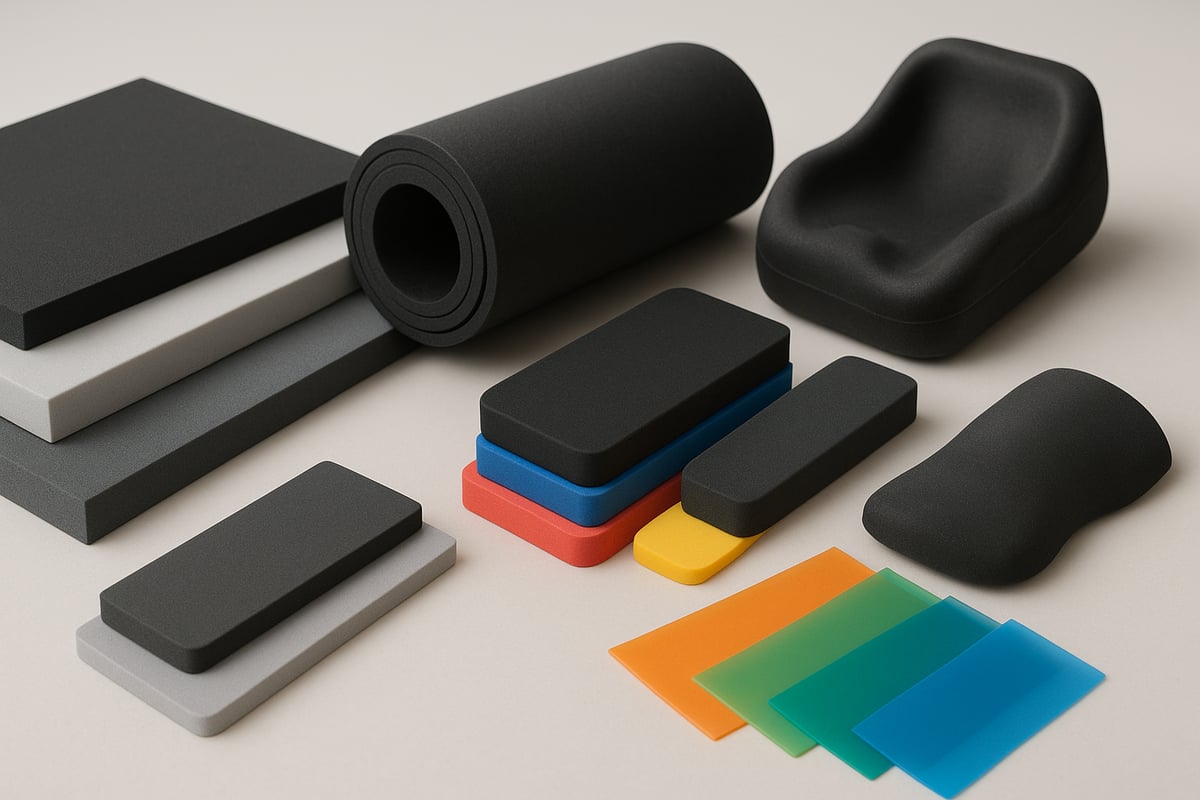
EVA material stands for ethylene-vinyl acetate, a copolymer created by combining ethylene and vinyl acetate. This chemical structure gives EVA material its signature flexibility, durability, and resilience.
The proportion of vinyl acetate in the copolymer typically ranges from 10 to 40 percent. Higher vinyl acetate content increases softness and elasticity, making the material more suitable for cushioning and flexible applications.
How does EVA material compare to other plastics? The table below summarizes key differences:
| Property | EVA Material | LDPE | HDPE | Rubber |
|---|---|---|---|---|
| Flexibility | High | Moderate | Low | High |
| Elasticity | Excellent | Good | Moderate | Excellent |
| Softness | Adjustable | Moderate | Low | High |
| Weather Resistance | Good | Moderate | Good | Variable |
| Chemical Resistance | Moderate | Good | Excellent | Variable |
EVA material offers a unique balance of softness and toughness that is often preferable to pure polyethylene for footwear, padding, and medical devices. Its ability to be tailored for specific performance needs sets it apart in many industries.
Manufacturing Process
The creation of EVA material begins with the copolymerization of ethylene and vinyl acetate under controlled conditions. This process determines the final properties, such as density and flexibility.
Once the copolymer is formed, it can be processed through extrusion to create sheets, films, or other shapes. For foam and sheet variants, cross-linking is often applied using chemical or radiation methods. Cross-linking improves uniformity, durability, and performance, especially in foam products.
Additives play a critical role in customizing EVA material. Manufacturers may introduce pigments for color, UV stabilizers for outdoor durability, or plasticizers for added softness. For example, chemically cross-linked EVA foam is favored for its consistent texture and enhanced mechanical strength.
To dive deeper into the specifics of this process, you can explore the ethylene-vinyl acetate foam details for a comprehensive overview of how EVA material is produced and processed.
Common Forms and Grades
EVA material is available in a range of forms to suit different industrial and creative needs. The most common types include:
- Sheets and rolls for cutting and fabrication
- Films for packaging or lamination
- Foams for cushioning, padding, and insulation
- Molded parts for custom components
There are also significant differences between high-density and low-density EVA material. High-density grades are used for structural or load-bearing applications, while low-density types excel in cushioning and shock absorption.
Leading brands such as OP-TEK® Flex, Duraflex®, Proflex, and Orfitrans® Excel (as referenced by Curbell Plastics) offer a wide variety of customization options, including:
- Thickness (from 2mm up to 15mm and more)
- Hardness levels (measured by Shore C scale)
- Color choices for branding or aesthetics
This range of choices allows designers to specify the exact EVA material profile needed for their application, ensuring optimal performance and durability.
Key Properties and Performance Characteristics of EVA
Understanding the key properties of eva material is crucial for selecting the right solution for your next project. EVA’s unique combination of flexibility, durability, and resilience sets it apart from many other plastics and foams. Let's break down the essential characteristics that make eva material a leader in diverse industries.
Physical and Mechanical Properties
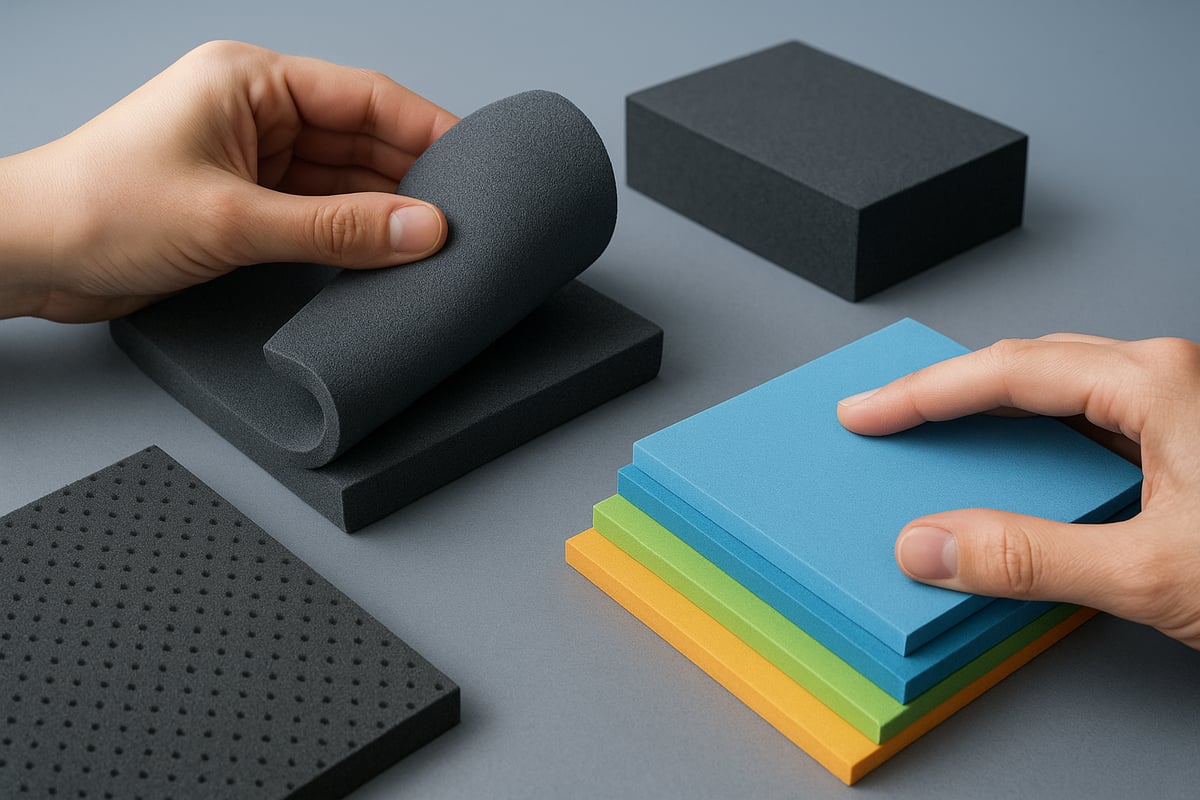
EVA material is prized for its exceptional flexibility, softness, and elasticity. The Shore hardness typically ranges from D-28 to D-33, offering a soft touch that is still durable. Densities fall within 0.885 to 0.952 g/cm³, making eva material lightweight and easy to handle.
Impact resistance and shock absorption are standout features. EVA’s structure absorbs and disperses energy, which is why it is widely used in protective gear and sports equipment. Tensile strength ranges from 1520 to 3480 psi, while flexural modulus is between 3050 and 4790 psi, ensuring reliable performance under stress.
A quick comparison table highlights eva material’s mechanical advantages:
| Property | Value Range |
|---|---|
| Shore Hardness | D-28 to D-33 |
| Density | 0.885–0.952 g/cm³ |
| Tensile Strength | 1520–3480 psi |
| Flexural Modulus | 3050–4790 psi |
For a more detailed breakdown of these features and real-world uses, explore this EVA foam properties and uses guide.
Thermal and Environmental Resistance
EVA material maintains its flexibility even in cold temperatures, making it suitable for outdoor and winter applications. Its excellent UV resistance and weatherability ensure that products made from eva material withstand prolonged sun exposure and harsh environments.
Water resistance and buoyancy are key strengths. EVA does not absorb water and remains buoyant, which is why it is common in marine and outdoor equipment. The forming temperature for eva material typically falls between 250°F and 350°F, depending on the grade, allowing for precise shaping during manufacturing.
Whether used in outdoor flooring, flotation devices, or weatherproof padding, the thermal and environmental performance of eva material is a major asset.
Chemical Resistance and Safety
EVA material is resistant to many household chemicals and cleaning agents, making it a safe choice for a variety of settings. However, it can be vulnerable to certain solvents, which may cause crack propagation or surface degradation.
For medical and wearable applications, eva material offers hypoallergenic options that are well tolerated by sensitive skin. Its safety profile is strong, as it is non-toxic for external use and widely adopted in orthotic and prosthetic devices.
This combination of chemical resistance and user safety makes eva material a preferred option in healthcare and consumer markets.
Limitations and Drawbacks
Despite its strengths, eva material has some limitations. It can exhibit dimensional instability under prolonged load, leading to cold-flow or deformation over time. The high coefficient of friction makes it less suitable for sliding surfaces.
Other drawbacks include limited performance in high-heat environments and vulnerability to aggressive chemicals. For applications requiring extreme stability or solvent resistance, alternative materials may be more appropriate.
Understanding these limitations helps ensure eva material is chosen for the right context.
Data and Examples
Competitor data tables consistently show eva material outperforming many foams in shock absorption and flexibility. For example, EVA foam is the material of choice in sports equipment like helmets and mats due to its ability to cushion impacts and reduce stress on the body.
In orthotics, the combination of softness and support provided by eva material enhances patient comfort and device performance. Its widespread use in footwear, packaging, and marine products further demonstrates its adaptability.
By reviewing these properties and performance metrics, you can see why eva material remains a top choice for innovative design and engineering challenges.
EVA Material Applications Across Industries
Ethylene-vinyl acetate, or EVA material, has transformed product design across multiple industries. Its unique blend of properties, from cushioning and flexibility to water resistance, makes it a top choice for manufacturers worldwide. Let’s explore how EVA material shapes the modern world, one application at a time.
Footwear and Apparel
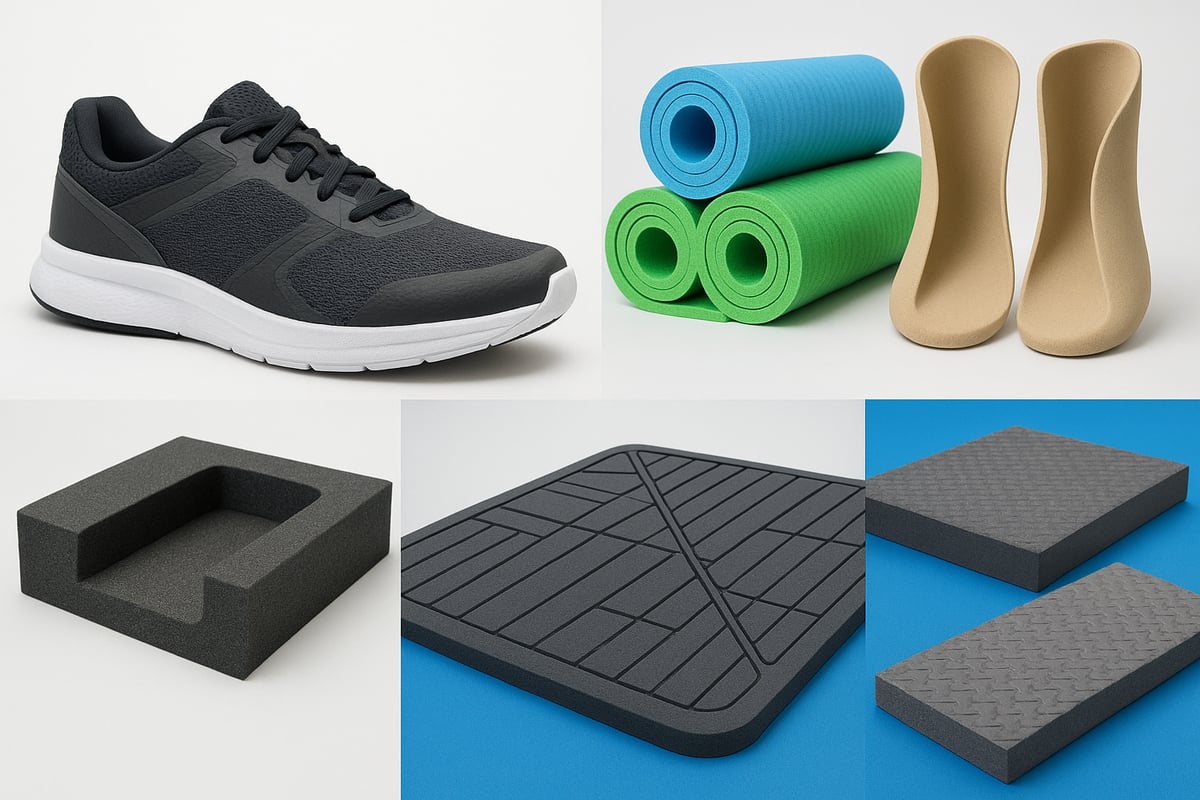
The footwear industry relies heavily on EVA material for its outstanding cushioning and lightweight nature. EVA midsoles, insoles, and outsoles are found in running shoes, sandals, and everyday sneakers. The material absorbs shock, reduces fatigue, and adapts to various foot shapes, making it ideal for custom shoe manufacturing.
Fashion brands use EVA material in orthotic inserts for additional comfort and support. Its moldability allows for unique designs and vibrant colors, helping brands differentiate their products. EVA’s resilience also extends the lifespan of footwear, making it a favorite for both athletic and casual wear.
Medical and Healthcare
EVA material is a trusted component in medical and healthcare applications. Prosthetic socket liners and orthotic devices made from EVA provide a soft, hypoallergenic interface between patient and device. This enhances comfort and reduces the risk of skin irritation.
Pediatric orthoses and comfort padding benefit from the moldability and gentle touch of EVA material. Hospitals and rehabilitation centers use EVA-based pads and supports for patients who require long-term cushioning. The ease of customization ensures that every patient receives a tailored fit, improving outcomes and satisfaction.
Sports, Recreation, and Safety
In sports and recreation, EVA material is synonymous with protection and performance. It is widely used in helmet padding, shin guards, and gym mats due to its shock-absorbing properties. Athletes rely on EVA to minimize impact injuries during training and competition.
EVA’s buoyancy makes it the material of choice for flotation devices, life vests, and swim aids. Yoga mats and sports flooring crafted from EVA material provide traction and comfort, supporting both amateur and professional athletes. Its durability ensures these products withstand repeated, intense use.
Packaging and Consumer Goods
EVA material offers superior shock absorption and flexibility, making it ideal for protective packaging. Electronics, fragile goods, and luxury items are often shipped with EVA-based inserts to prevent damage. The material’s versatility allows for custom shapes and sizes to fit any product.
Crafters and DIY enthusiasts appreciate EVA foam sheets for their easy cutting, vibrant colors, and safe handling. From toys to costume accessories, EVA material brings creative concepts to life. For a deeper dive into these creative and industrial uses, see Large EVA foam sheets for projects.
Industrial and Construction Uses
EVA material is essential in industrial and construction environments. It is used in gaskets, seals, and vibration-damping pads, where its flexibility and resilience reduce mechanical wear. Flooring underlayments made from EVA provide sound insulation and comfort underfoot in residential and commercial spaces.
Insulation panels and foam flooring mats benefit from the material’s resistance to moisture and chemicals. Construction teams value EVA material for its ease of installation and low maintenance requirements, making it a practical solution for various building needs.
Automotive and Marine Applications
Automotive manufacturers incorporate EVA material in interior padding, trim, and noise-dampening components. Its lightweight nature helps improve vehicle efficiency, while its durability ensures long-lasting performance. EVA’s flexibility allows it to conform to complex shapes within car interiors.
In marine settings, EVA material is prized for its water and UV resistance. Boat decks and marine padding use EVA to provide slip resistance and comfort underfoot. The material withstands harsh sun and saltwater exposure, making it a staple for both recreational and commercial vessels.
Data and Trends
The demand for EVA material continues to rise, especially in footwear, sports, and orthotic markets. Industry reports show a steady increase in EVA foam usage for both performance and comfort-driven applications. Manufacturers are expanding product lines to meet diverse needs, offering new grades, colors, and thicknesses.
Case studies highlight EVA material’s role in improving patient comfort in prosthetics and driving innovation in sports equipment. As sustainability becomes a priority, the focus on recyclable and bio-based EVA material is expected to shape future industry trends. The versatility and adaptability of EVA material ensure its relevance well into 2026 and beyond.
Innovations and Trends in EVA Material for 2026
The pace of innovation in eva material is set to accelerate as 2026 approaches. Manufacturers and designers are pushing boundaries, introducing new formulations, sustainable solutions, and advanced processing techniques. These trends are shaping the future of eva material across industries, from footwear and healthcare to automotive and events.
Advanced Formulations and Additives
In recent years, advanced formulations have transformed eva material into a highly versatile option. New blends, such as those used in OP-TEK Flex Comfort, incorporate proprietary additives that improve softness and durability. Some manufacturers are integrating silicone and lubricants to reduce friction and enhance performance, as seen in Proflex-S grades.
These innovations enable eva material to meet stricter requirements in fields like medical orthotics and high-impact sports gear. The addition of UV stabilizers, anti-microbial agents, and custom colorants further broadens its application range.
- Softer, more durable blends for comfort-focused products
- Silicone integration for smoother surfaces
- Enhanced UV and microbial resistance
With these improvements, eva material is surpassing older plastics in both comfort and longevity.
Sustainability and Eco-Friendly Developments
Sustainability is a major driving force in the evolution of eva material. Companies are investing in recycled content, bio-based alternatives, and closed-loop manufacturing. New eco-friendly practices reduce waste and minimize the environmental footprint, making eva material a more responsible choice for the future.
For example, some manufacturers now use recycled EVA foam in footwear and packaging, supporting circular economy initiatives. Bio-based additives are also gaining traction, lowering reliance on petroleum-based inputs. For a deeper look at sustainable practices in EVA production, see EVA Foam Sustainability Practices.
- Use of recycled and bio-based EVA
- Closed-loop recycling systems
- Industry movement toward sustainable sourcing
These advances are helping companies align with environmental regulations and consumer expectations.
Enhanced Processing and Fabrication Techniques
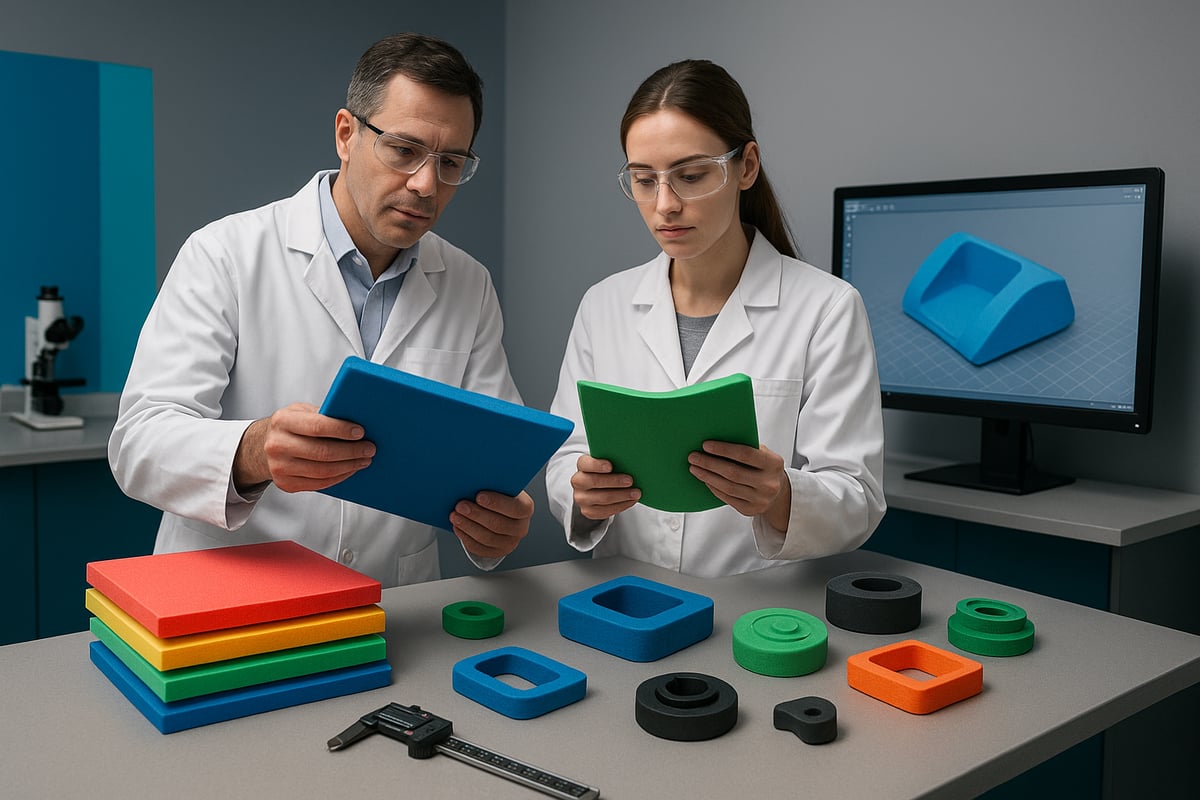
Processing technology for eva material is advancing rapidly. Improved molding, cutting, and heat-forming methods allow for greater precision and consistency. Automation and 3D molding are now standard in many factories, enabling efficient production of custom shapes.
Digital fabrication tools support rapid prototyping, making it easier to test and refine new eva material designs. This is especially valuable for industries needing bespoke solutions, such as medical devices or event decor.
- High-precision molding and cutting
- Automated fabrication lines
- 3D molds for complex geometries
Such advancements are reducing lead times and improving the quality of finished eva material products.
Customization and Personalization
Customization is a defining trend for eva material in 2026. Manufacturers offer a wide range of thicknesses, densities, and colors, catering to niche markets. Digital design tools and rapid prototyping make it simple to create bespoke components for everything from footwear to stage props.
Personalization extends to custom embossing, printed graphics, and multi-layered structures. This flexibility gives designers the freedom to innovate and differentiate their products.
- Custom thickness and density options
- Digital design integration
- Personalized graphics and features
With these capabilities, eva material supports both mass production and one-of-a-kind projects.
Market and Regulatory Trends
Regulatory changes are shaping the future of eva material, especially in terms of safety and environmental impact. New standards may require stricter controls on chemical additives and increased use of recycled content.
At the same time, market demand is soaring in sectors like healthcare, event installations, and branded consumer goods. The popularity of eva material in cosplay, sports, and medical devices reflects its adaptability and user-friendly properties.
- Anticipated regulations on material safety
- Growing demand in specialized markets
- Industry focus on product safety and eco-compliance
Companies are responding by expanding their eva material product lines and investing in certification.
Data and Forecasts
Market research indicates steady growth for eva material through 2026. The foam segment, in particular, is expanding due to rising demand in footwear, sports equipment, and medical devices. Competitors are introducing more grades, colors, and formats to capture new opportunities.
A recent case study shows eva material gaining ground in the orthotic and prosthetic markets, driven by its comfort and customization potential. Manufacturers expect further innovation as digital fabrication and sustainable practices become industry norms.
- Projected market growth across core segments
- Product line expansion from leading suppliers
- Increasing adoption in new and emerging applications
The outlook for eva material is bright, with ongoing innovation, sustainability, and customization leading the way.
How to Select the Right EVA Material for Your Project
Selecting the right eva material is crucial for project success in 2026. With so many grades, forms, and suppliers available, a systematic approach ensures you meet technical, functional, and budgetary needs.
Assessing Application Requirements
Begin by identifying the essential performance characteristics for your eva material. Consider:
- Required flexibility and hardness
- Target thickness and color
- Environmental challenges, such as UV exposure or water contact
- Safety and hypoallergenic needs for wearables
For example, footwear projects may demand high shock absorption, while marine products prioritize water resistance. Matching eva material to your specific application requirements sets the foundation for optimal results.
Comparing Grades and Densities
EVA comes in a wide range of grades and densities, each suited for distinct purposes. High-density eva material provides structural support, while low-density versions offer superior cushioning.
| Application | Density | Hardness (Shore C) |
|---|---|---|
| Orthotic Liners | Low | 20–35 |
| Craft Foam | Medium | 30–50 |
| Flooring Mats | High | 35–75 |
For instance, orthotic liners benefit from soft, low-density foam, whereas flooring mats require firmer, high-density eva material.
Understanding Form Factors and Sizing
EVA material is available as sheets, rolls, blocks, and custom-cut parts. Standard sizes range from 12"x12" to 48"x96", with thickness options from 2mm to over 15mm.
Selecting the right form factor ensures efficient fabrication and minimal waste. Custom sizing is ideal for unique applications, such as precision-cut orthotics or large-scale event props.
Evaluating Brands and Suppliers
Choosing reliable brands and suppliers is vital when sourcing eva material. Look for:
- Reputable brands like OP-TEK® Flex, Duraflex®, Proflex, Orfitrans® Excel
- Options for customization in hardness, thickness, and color
- Supplier certifications and technical support
A trusted supplier can provide technical data, samples, and guidance, ensuring you select the most suitable eva material for your project.
Cost Considerations and Volume Discounts
Price varies with eva material density, thickness, and required customization. Many suppliers offer volume discounts for commercial orders, which can significantly reduce costs for large-scale projects.
It is also important to factor in the environmental impact of your material choice. For more on this aspect, review the EVA Foam Environmental Impact to make informed decisions that align with sustainability goals.
Technical Support and Resources
Access to comprehensive technical guides, data sheets, and expert consultation is invaluable. Top suppliers often provide mockups and fabrication services, helping you troubleshoot challenges and optimize your eva material selection.
Leverage these resources to ensure proper material performance and compliance with industry standards.
Real-World Examples
Case studies highlight how thoughtful eva material selection drives project success. For instance, a children’s footwear line may require soft, brightly colored foam for comfort and appeal. In event installations, large-format sheets enable the creation of durable, lightweight props.
If you need inspiration for creative projects, explore Crafting with EVA foam sheets for practical applications and DIY ideas.
Frequently Asked Questions About EVA Material
Understanding the most common questions about eva material helps users make informed choices, whether for manufacturing, crafting, or specialized applications. Below, we address vital topics including safety, maintenance, customization, environmental impact, troubleshooting, sourcing, and resources.
Safety and Regulatory Compliance
Is eva material safe for skin contact or for children’s products? Most grades are non-toxic and hypoallergenic, which is why eva material is trusted for medical liners and children’s toys. Medical-grade eva material often meets FDA or equivalent standards for biocompatibility, making it suitable for prosthetic liners, orthotic padding, and pediatric devices.
For compliance, always confirm with your supplier whether their eva material meets relevant safety and regulatory standards for your industry. Certifications may include ISO, FDA, or EU safety requirements. Always request documentation before finalizing purchases, especially for sensitive applications.
Durability and Maintenance
How long does eva material last, and how should it be cared for? The durability of eva material depends on its density, exposure, and application. In general, it is resistant to cracking, water, and UV degradation, giving it a long service life in outdoor and medical environments.
For maintenance:
- Clean eva material with mild soap and water.
- Avoid harsh solvents, which may weaken the structure.
- Store away from extreme heat to prevent deformation.
Routine inspection is recommended for parts under mechanical stress, such as footwear or prosthetic liners, to ensure continued performance.
Customization and Fabrication
Can eva material be painted, glued, or heat-formed? Yes, eva material is highly versatile. It can be cut with utility knives, laser cutters, or die presses. For joining, use hot glue, EVA-compatible adhesives, or heat welding techniques.
Painting is possible with flexible acrylics or specialty paints. For shaping, heat-form eva material at 250°F to 350°F, depending on grade, and allow it to cool in the desired shape.
DIY enthusiasts often use eva material for cosplay props and crafts due to its ease of customization and safe handling.
Environmental Impact and Recycling
Is eva material recyclable or biodegradable? Most eva material is not biodegradable, but some grades can be mechanically recycled. Cross-linked eva foam, however, is difficult to recycle due to its chemical bonds and potential contamination. For more information on the challenges, see EVA Recycling Challenges.
Despite recycling hurdles, eva material offers environmental advantages over some alternatives, especially in manufacturing. It is lightweight, durable, and often requires less material overall. Learn more about these benefits at EVA Foam Environmental Advantages.
Troubleshooting Common Issues
What if eva material shows dimensional instability or cold-flow? To minimize such issues:
- Select the right density and hardness for your application.
- Use reinforced grades for structural needs.
- Avoid prolonged heavy loads on soft eva material.
For high friction surfaces, consider surface treatments or using alternative materials for sliding applications.
Addressing these common problems early ensures longer service life and better performance for your eva material.
Sourcing and Purchasing
Where can you buy eva material sheets or custom parts? Major suppliers include Curbell Plastics, Avetco Inc., and specialist medical or craft distributors. Online options offer a variety of grades, thicknesses, and colors, with custom orders available for unique needs.
When sourcing, check for supplier certifications, sample availability, and technical support. Volume discounts may be available for large orders, especially from industrial suppliers.
Additional Resources
Looking for technical data or expert advice on eva material? Suppliers often provide data sheets, fabrication guides, and consultation services. Industry associations, such as the American Plastics Council, offer further reading and best practices.
For environmental and recycling guidance, review the links above or consult local recycling authorities about disposal or recovery options for eva material.
As you explore the essential properties and innovations in EVA material for 2026, it’s clear how transformative these advancements can be for creative industries—especially when it comes to large scale floral installations and event décor. If you’re curious about how EVA’s unique qualities translate into real world artistry, or want to see stunning examples up close, you’ll find inspiration and detailed answers just a click away.
Want to know more about these flowers?