

Ethylene Vinyl Acetate Foam Guide: Uses, Benefits & Insights 2026
Ethylene vinyl acetate foam is making a significant impact across industries, from athletic footwear to construction. Its presence is hard to miss, appearing in shoes, toys, packaging, and even medical devices.
This guide will help you understand why ethylene vinyl acetate foam stands out for its unique balance of softness, durability, and versatility. We will explore its composition, properties, main applications, advantages, and emerging market trends. As 2026 approaches, discover how this innovative material is poised to solve real-world challenges and why its demand is set to rise. Read on for a comprehensive look at ethylene vinyl acetate foam and its future potential.
What is Ethylene Vinyl Acetate (EVA) Foam?
Ethylene vinyl acetate foam is a high-performance material widely recognized for its blend of softness, flexibility, and durability. As a versatile copolymer, it serves as the backbone for countless products across industries, from sports equipment to medical devices.
Chemical Composition and Manufacturing Process
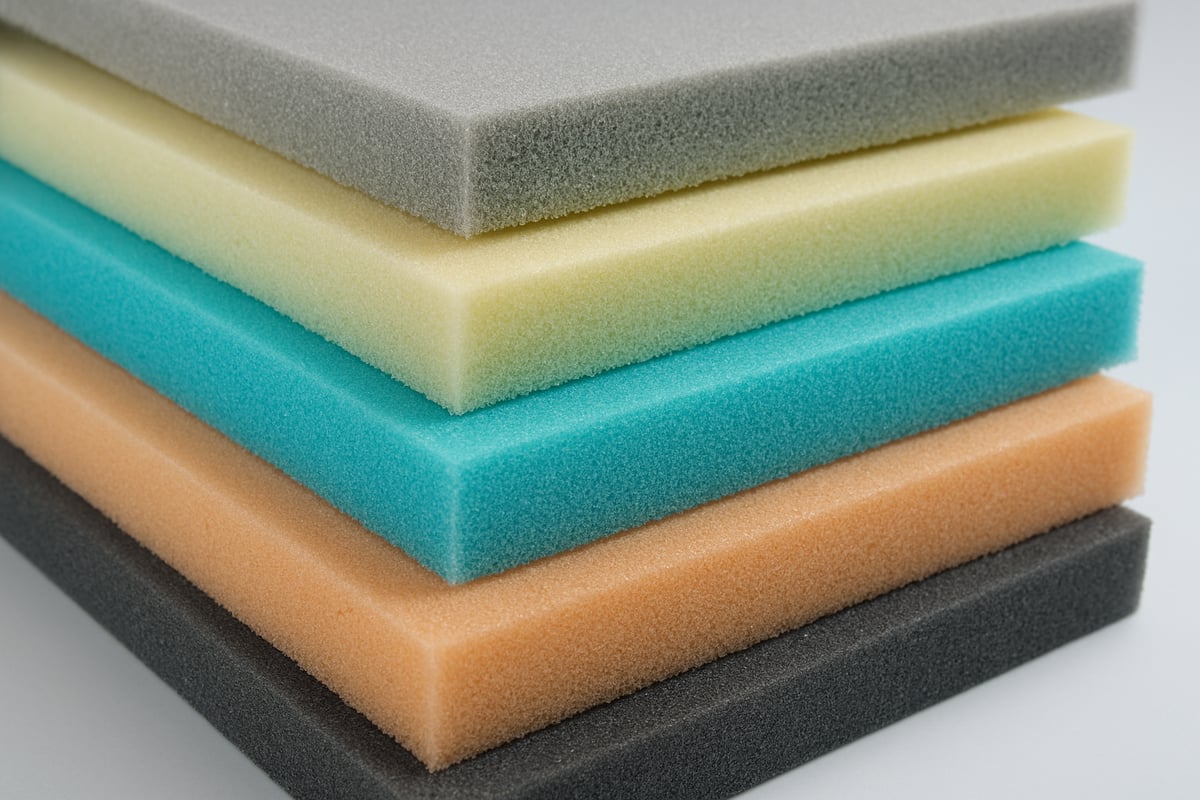
Ethylene vinyl acetate foam is produced by combining ethylene and vinyl acetate in proportions typically ranging from 10 to 40 percent vinyl acetate. This copolymerization process results in a material that can be fine-tuned for different performance characteristics. During manufacturing, the raw copolymer is blended, melted, and then expanded using foaming agents. The result is a closed-cell structure, making EVA foam lightweight and buoyant.
The manufacturing process allows for customization in density, thickness, and color. EVA foam is non-toxic, free from phthalates, and compliant with international safety standards. For example, yoga mats often use higher vinyl acetate content for extra softness and comfort. In 2022, global ethylene vinyl acetate foam production surpassed one million tons, demonstrating its widespread adoption. For a deeper look at the structure and applications of EVA foam, you can review this EVA Copolymer Properties and Applications resource.
Key Physical and Mechanical Properties
The closed-cell structure of ethylene vinyl acetate foam gives it a soft, rubber-like texture with impressive shock absorption. This makes it ideal for cushioning in footwear, sports gear, and packaging. Its flexibility allows it to bend without cracking, and it quickly returns to its original shape after compression.
EVA foam is highly resistant to water, which means it does not absorb moisture and is naturally buoyant. It also resists many chemicals and offers good thermal insulation, making it suitable for construction and automotive uses. The material is easy to cut, shape, and bond, supporting a wide variety of design possibilities. For instance, EVA foam’s resilience makes it a preferred choice for marine floats and shoe midsoles.
Types and Grades of EVA Foam
There are several types and grades of ethylene vinyl acetate foam, each tailored for specific applications. Standard grades suit general use, while high-density EVA is chosen for tool inserts and industrial packaging. Anti-static and flame-retardant grades address specialized needs in electronics and safety-critical environments.
EVA foam is available in sheets, rolls, blocks, and custom-molded parts. Color and surface texture can be customized for crafts, toys, or branding. The material often carries industry certifications like RoHS, REACH, and ISO, ensuring it meets global quality benchmarks. For example, colored EVA foam is popular in crafts and education, while high-density grades offer enhanced support in industrial contexts. Ethylene vinyl acetate foam’s adaptability and compliance make it a trusted solution for diverse sectors, from healthcare to creative projects. Whether you need cushioning, insulation, or aesthetic appeal, ethylene vinyl acetate foam delivers consistent performance and reliability.
Major Uses of EVA Foam Across Industries
Ethylene vinyl acetate foam stands out as a versatile material, powering innovation across a wide range of industries. Its unique blend of softness, durability, and adaptability makes it a go-to solution for products demanding comfort, protection, and resilience. Let’s examine how ethylene vinyl acetate foam is transforming key sectors.
Footwear and Apparel
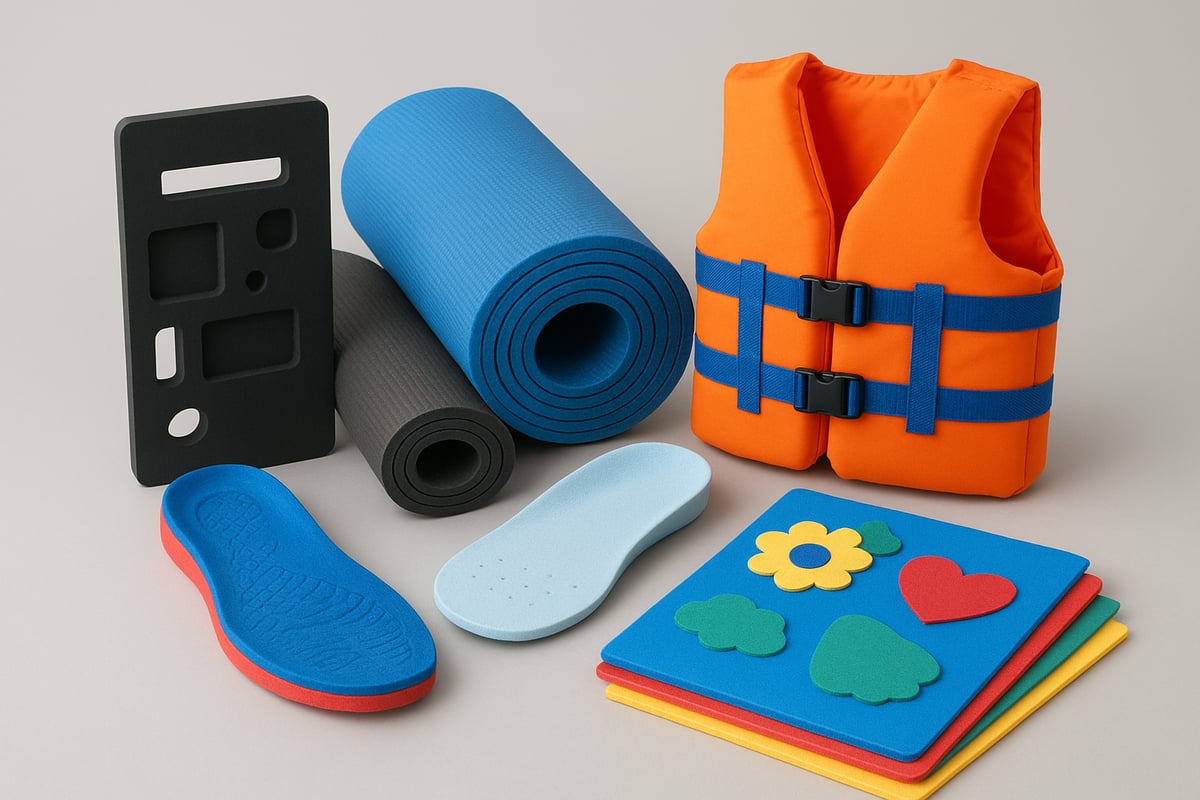
In the footwear and apparel sector, ethylene vinyl acetate foam is prized for its exceptional cushioning and shock absorption. This foam is commonly found in running shoe midsoles, athletic insoles, sandals, and flip-flops. Its lightweight structure reduces fatigue and supports ergonomic design, enhancing user comfort.
- Leading sports brands use ethylene vinyl acetate foam to boost performance in running and training shoes.
- Orthotic inserts rely on its softness for tailored support.
- Flexible properties allow for diverse shoe styles and thicknesses.
Durability and resilience mean products last longer, while easy molding enables manufacturers to create custom fits for all foot types.
Sports, Fitness, and Recreation
Ethylene vinyl acetate foam is a staple in sports and fitness equipment due to its safety features and lasting comfort. Exercise mats, yoga blocks, and helmet liners all use this foam for its ability to absorb impact and resist deformation.
- Martial arts studios use thick ethylene vinyl acetate foam mats to protect athletes during falls.
- Yoga blocks provide stable, supportive surfaces for diverse poses.
- Helmet liners in cycling and contact sports improve user safety.
Its resistance to sweat and moisture ensures it remains reliable even with heavy use, making it a favorite in gyms and athletic centers.
Packaging and Protective Solutions
The packaging industry depends on ethylene vinyl acetate foam for safeguarding sensitive items during transport and storage. Its shock-absorbing and anti-static properties shield electronics, instruments, and tools from damage.
- Custom case inserts made from ethylene vinyl acetate foam protect cameras and medical devices.
- Lightweight sheets reduce shipping costs and environmental impact.
- Anti-static grades are essential for electronics packaging.
For a deeper look at the diverse uses of EVA foam in packaging and beyond, see Applications of large EVA foam sheets. The material’s customizability ensures that each product receives the right level of protection.
Construction and Architecture
Construction professionals turn to ethylene vinyl acetate foam for its insulation, soundproofing, and flexibility. Used as underlayment in flooring, expansion joints, and thermal panels, this foam enhances building performance.
- Floor underlayment made from ethylene vinyl acetate foam reduces noise transfer in apartments.
- Expansion joints use its compressibility to accommodate building movement.
- Geofoam blocks provide lightweight fill for landscaping and civil engineering.
Water resistance and chemical stability make it ideal for both indoor and outdoor construction projects, helping improve energy efficiency and comfort.
Marine and Automotive Applications
In marine and automotive industries, ethylene vinyl acetate foam excels due to its buoyancy, water resistance, and durability. Boat deck padding and dock floats benefit from its closed-cell structure that prevents water absorption.
- Surfboards use ethylene vinyl acetate foam for lightweight, flexible cores.
- Car dashboards and door panels incorporate foam for impact protection and comfort.
- Dock floats and marine fenders rely on the material’s resistance to oil and UV exposure.
Its adaptability ensures it performs reliably in harsh, high-moisture environments, contributing to product longevity and safety.
Toys, Crafts, and DIY Projects
Ethylene vinyl acetate foam is a favorite for toys, crafts, and DIY enthusiasts because it is safe, colorful, and easy to work with. Children’s play mats, educational toys, and cosplay costumes often use this foam for its softness and vibrant hues.
- Craft sheets can be cut and shaped into models, masks, and flower decorations.
- Non-toxic properties make ethylene vinyl acetate foam ideal for products intended for children.
- DIY creators use it for model building and costume design.
The foam’s flexibility and variety of colors spark creativity, enabling limitless project ideas for all ages.
Medical and Healthcare Uses
In healthcare, ethylene vinyl acetate foam plays a vital role in improving patient comfort and safety. It’s found in orthopedic supports, prosthetic liners, and medical device padding.
- Wheelchair cushions offer pressure relief and support.
- Hospital bed pads use ethylene vinyl acetate foam for added comfort and hygiene.
- Diabetic foot care insoles rely on its hypoallergenic, easy-to-clean nature.
The foam’s non-toxic, hypoallergenic properties make it ideal for sensitive medical applications, supporting both patient well-being and clinical standards.
Key Benefits of EVA Foam
Ethylene vinyl acetate foam stands out for its impressive range of benefits, making it a preferred material in countless industries. Let us explore the core advantages that set ethylene vinyl acetate foam apart and see why it continues to gain popularity.
Comfort and Cushioning
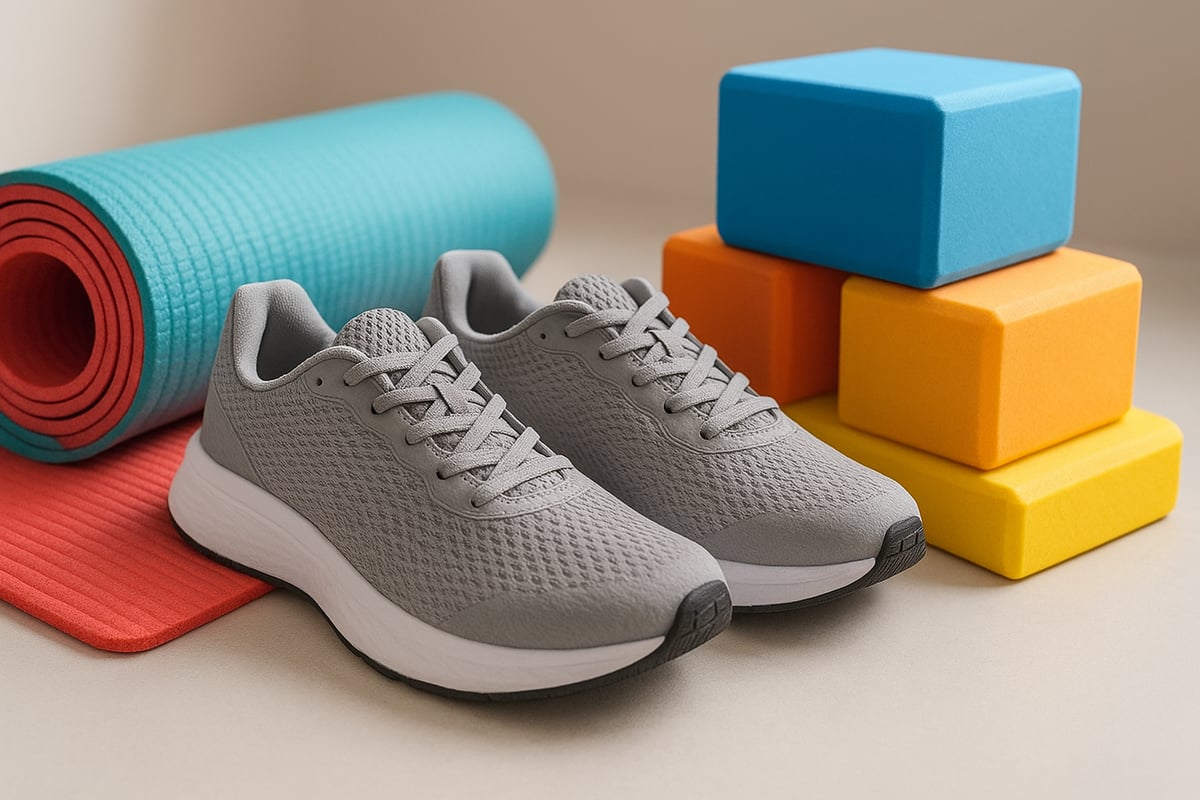
One of the most valued properties of ethylene vinyl acetate foam is its superior comfort and cushioning. Its unique closed-cell structure provides excellent shock absorption, reducing the risk of injury from impact. This makes it a top choice for footwear, play mats, and sports equipment.
- Cushions falls in children’s play areas
- Absorbs shock in athletic shoe midsoles
- Enhances comfort in seating and mats
For example, ethylene vinyl acetate foam in children’s play mats helps minimize the impact from accidental falls, offering peace of mind for parents and caregivers.
Lightweight and Flexible
Ethylene vinyl acetate foam is remarkably lightweight without compromising on strength or performance. Its flexibility allows manufacturers to create ergonomic designs for a wide variety of products, from packaging to sports gear.
- Easy to transport and install
- Adapts to complex shapes and contours
- Reduces overall product weight
For instance, lightweight ethylene vinyl acetate foam packaging enables efficient shipping while protecting delicate items. Its flexibility also supports custom-fit solutions for diverse industry needs.
Durability and Resilience
Durability is a defining benefit of ethylene vinyl acetate foam. It resists tearing, cracking, and deformation even under repeated stress. This resilience ensures a long lifespan, making it ideal for high-traffic environments.
- Maintains shape after compression
- Withstands heavy foot traffic in gyms
- Lasts for years in demanding applications
Research on the dynamic crushing behavior of EVA foam confirms its excellent energy absorption and mechanical stability, further supporting its use in safety and protective products.
Water and Chemical Resistance
Ethylene vinyl acetate foam does not absorb water, making it highly resistant to mold and mildew. Its structure prevents moisture penetration, and it also resists oils, solvents, and many household chemicals.
- Suitable for marine and outdoor use
- Prevents bacterial growth in wet environments
- Retains properties after chemical exposure
For example, ethylene vinyl acetate foam floats are widely used in marine applications, where water resistance is essential for performance and longevity.
Thermal and Acoustic Insulation
The insulating properties of ethylene vinyl acetate foam contribute to energy efficiency and noise reduction. Its closed-cell design helps block heat transfer and dampen sound, making it valuable in construction and interior design.
- Reduces sound transmission in apartments
- Provides thermal insulation in flooring and walls
- Enhances comfort in living and working spaces
For example, using ethylene vinyl acetate foam underlayment in multi-story buildings helps decrease noise between floors, improving overall quality of life.
Safety and Non-Toxicity
Safety is paramount in every application, and ethylene vinyl acetate foam delivers. It is non-toxic, hypoallergenic, and free from harmful chemicals, meeting strict international safety standards.
- Safe for children’s toys and baby products
- Trusted for use in medical devices and orthopedics
- Complies with RoHS, REACH, and ISO certifications
Ethylene vinyl acetate foam offers peace of mind for manufacturers and consumers alike, ensuring products are both effective and safe for everyday use.
Market Trends and Insights: EVA Foam in 2026
The ethylene vinyl acetate foam market is rapidly evolving as industries look for materials that balance performance, safety, and sustainability. As we approach 2026, understanding the forces shaping this sector is crucial for manufacturers, designers, and consumers alike.
Global Market Growth and Demand Drivers
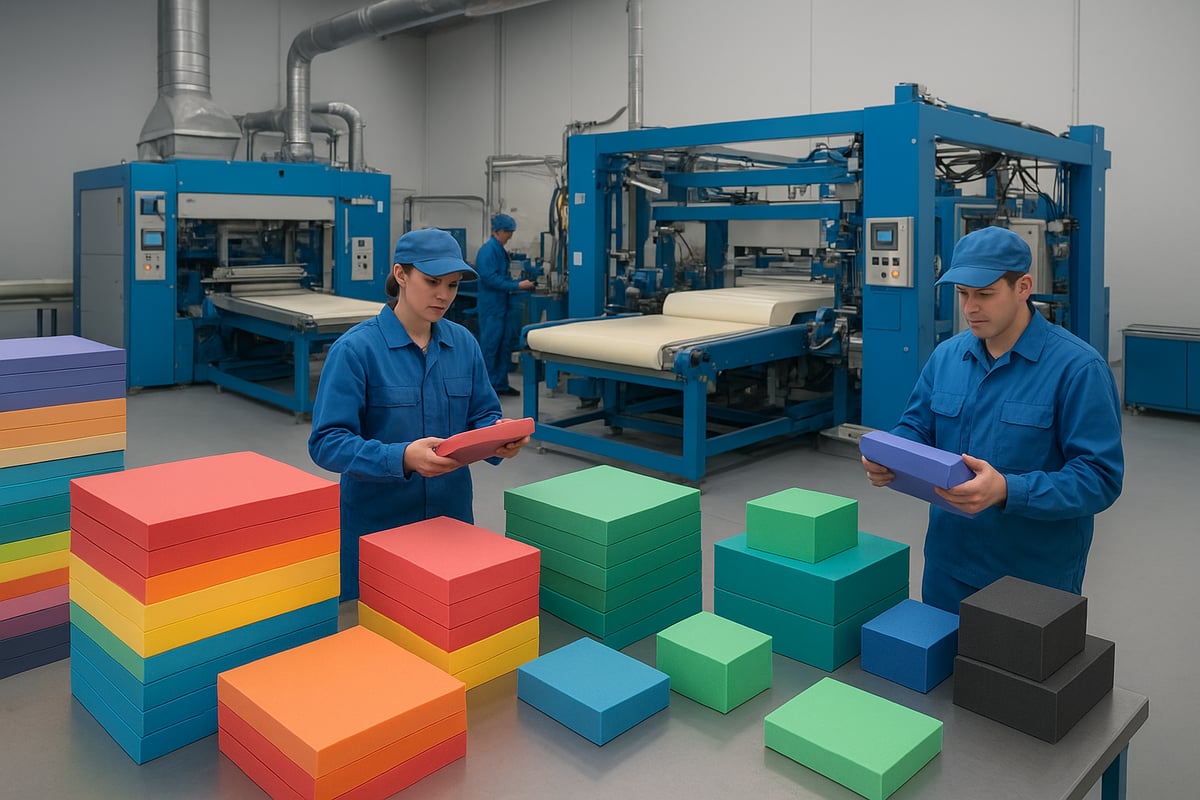
The global ethylene vinyl acetate foam market is projected to reach $3.2 billion by 2026. Growth is propelled by rising demand in footwear, automotive, and packaging, as each sector seeks lightweight and cost-effective solutions. Footwear continues to be a dominant end use, driven by consumer preference for comfort and performance.
Automotive and electronics industries are also expanding their reliance on ethylene vinyl acetate foam due to its cushioning and insulation properties. For detailed forecasts and analysis, see Global Ethylene Vinyl Acetate Market Growth Forecasts to 2034. The market’s upward trajectory reflects both evolving consumer needs and technological advancements.
Technological Innovations and Product Development
Innovation is central to the continued success of ethylene vinyl acetate foam. Manufacturers are leveraging improved molding techniques, 3D printing, and automation to achieve greater consistency and efficiency. Recent advancements have enabled the production of eco-friendly and recycled variants, meeting stricter environmental standards.
Specialized ethylene vinyl acetate foam types, such as flame-retardant and anti-static grades, are gaining traction in electronics and industrial applications. The integration of additives like graphene further enhances mechanical performance, especially in athletic footwear and protective equipment. These developments position the material as a leader in functional versatility.
Sustainability and Environmental Impact
Sustainability is a top priority for the ethylene vinyl acetate foam industry. Companies are investing in recyclable and biodegradable foam formulations to minimize environmental impact. Low-VOC and reduced-carbon-footprint products are being introduced, supporting greener manufacturing processes.
Circular economy initiatives are emerging, including take-back programs for used foam products and the use of post-consumer recycled content. As eco-conscious consumers drive demand, brands are launching shoes and mats made from recycled ethylene vinyl acetate foam, signaling a shift toward responsible production.
Regulatory Standards and Compliance
Compliance with international regulations is increasingly important for ethylene vinyl acetate foam producers. Stricter standards around material safety, chemical content, and environmental impact require ongoing adaptation. RoHS, REACH, and ISO certifications are now standard for export and large-scale projects.
Third-party testing and certification are becoming prerequisites, especially for products in medical, children’s, and food-contact applications. Companies that proactively address regulatory changes are better positioned to capture market share and build consumer trust.
Regional Market Insights
Regional trends highlight the diverse dynamics of the ethylene vinyl acetate foam market. Asia-Pacific leads in both production and consumption, with China and India driving significant growth. North America and Europe focus on sustainability and innovation, spurring the adoption of recycled and specialty foams.
Emerging markets in Latin America, Africa, and the Middle East are increasing investments in infrastructure and consumer goods, creating new opportunities for ethylene vinyl acetate foam applications. The table below summarizes these trends:
| Region | Key Focus | Market Drivers |
|---|---|---|
| Asia-Pacific | High production, demand | Manufacturing, urbanization |
| North America | Sustainability, R&D | Eco-friendly products, tech |
| Europe | Innovation, compliance | Standards, specialty markets |
| Emerging Mkts | Infrastructure, growth | Construction, consumer goods |
Future Opportunities and Challenges
Looking ahead, ethylene vinyl acetate foam is poised to expand into medical, aerospace, and renewable energy sectors. Smart foam solutions, such as sensors embedded in foam for health monitoring, are on the horizon. However, recycling and microplastic concerns remain ongoing challenges that require industry-wide collaboration.
Customization and rapid prototyping are set to become standard, enabling tailored solutions for niche markets. As innovation continues, ethylene vinyl acetate foam will remain at the forefront of material science, adapting to future demands.
How to Choose the Right EVA Foam for Your Application
Selecting the best ethylene vinyl acetate foam for your project involves more than just picking a color or thickness. With so many grades, densities, and customization options, making an informed choice ensures your product performs as expected and lasts longer.
Assessing Application Requirements
Start by clearly defining what you need from ethylene vinyl acetate foam. Does your application require superior cushioning, water resistance, or perhaps enhanced insulation? Safety and regulatory factors are also crucial, especially for products intended for children or medical use.
For example, industrial tool inserts often demand high density ethylene vinyl acetate foam for durability, while children’s play mats benefit from softer, lower density options. Matching the foam’s characteristics to your use case ensures optimal performance and compliance.
Comparing Grades, Densities, and Thicknesses
Ethylene vinyl acetate foam comes in multiple grades and densities, each tailored for specific purposes. Low density foams are ideal for lightweight packaging, whereas high density variants provide more support and impact resistance.
Thickness is another factor to consider. Thicker sheets deliver better cushioning and support, making them perfect for gym mats, while thinner forms suit packaging or craft applications. Use the table below as a quick reference:
| Grade/Density | Typical Use Case |
|---|---|
| Low Density | Packaging, crafts |
| Medium Density | Footwear, sports gear |
| High Density | Tool inserts, flooring |
Selecting the right combination will help you get the most from your ethylene vinyl acetate foam product.
Customization and Fabrication Options
One of the major advantages of ethylene vinyl acetate foam is its adaptability. You can order custom colors, shapes, and surface textures to suit branding or technical needs. Advanced fabrication methods like CNC cutting, molding, and lamination enable truly tailored solutions.
For crafting and creative uses, consider exploring EVA foam glitter sheet projects for inspiration on specialized ethylene vinyl acetate foam products. Custom die-cutting is also popular for electronics packaging and cosplay.
Sourcing and Supplier Considerations
Choosing a reputable supplier is vital to ensure your ethylene vinyl acetate foam meets quality and compliance standards. Always request samples and verify certifications like RoHS or REACH, especially if you plan to export or require industry-specific approvals.
Establishing a relationship with a trusted provider can streamline bulk orders, guarantee consistent material quality, and help you stay up to date with the latest developments in ethylene vinyl acetate foam technology.
Maintenance and Care Guidelines
Proper maintenance extends the lifespan of your foam products. Clean ethylene vinyl acetate foam with mild soap and water, then air dry. Avoid prolonged exposure to direct sunlight, which can degrade some materials over time.
For storage, keep foam sheets flat and in a cool, dry area. Routine care ensures your ethylene vinyl acetate foam products remain safe, functional, and visually appealing for years.
Frequently Asked Questions About EVA Foam
Have questions about ethylene vinyl acetate foam? Find answers to the most common queries below. Whether you are a manufacturer, DIY enthusiast, or parent, this FAQ covers the essential facts to help you make informed decisions about ethylene vinyl acetate foam.
Is EVA foam safe for children and pets?
Ethylene vinyl acetate foam is widely recognized for its non-toxic and hypoallergenic nature. It contains no phthalates or heavy metals, making it safe for use in children’s play mats, toys, and pet products. Manufacturers ensure ethylene vinyl acetate foam meets stringent international safety standards.
How does EVA foam compare to PE and PU foam?
When comparing ethylene vinyl acetate foam to PE (polyethylene) and PU (polyurethane) foam, EVA stands out for its superior softness and flexibility. EVA offers better shock absorption and water resistance than PE foam, while maintaining greater resilience than PU foam in many applications. This makes ethylene vinyl acetate foam a preferred choice in sports and footwear.
Can EVA foam be recycled or is it eco-friendly?
Ethylene vinyl acetate foam can be recycled in select regions, and new eco-friendly versions are emerging. Some manufacturers are developing biodegradable forms to reduce environmental impact. Always check local recycling options and look for products labeled as eco-friendly or recycled EVA foam.
What is the lifespan of EVA foam products?
The typical lifespan of ethylene vinyl acetate foam products ranges from 5 to 10 years. Durability depends on usage and environmental factors. Products like gym mats and footwear inserts made from ethylene vinyl acetate foam are built to withstand repeated use and high traffic.
How can I cut and shape EVA foam at home?
Ethylene vinyl acetate foam is easy to work with for DIY and craft projects. You can cut it using scissors, utility knives, or hot wire tools. For creative ideas, see how to create beautiful foam flowers using blossom EVA foam for crafting.
Are there any health or allergy concerns?
Ethylene vinyl acetate foam is hypoallergenic, latex-free, and safe for skin contact. It is commonly used in medical and orthopedic products, reducing the risk of allergic reactions. Always verify product certifications for added peace of mind.
Where can I buy EVA foam sheets or custom parts?
You can purchase ethylene vinyl acetate foam sheets and custom parts from foam manufacturers, online retailers, and specialty suppliers. For industrial applications, request samples and certifications to ensure quality and compliance with regulations.
As we've seen, Ethylene Vinyl Acetate foam is transforming everything from footwear and construction to artistic installations, thanks to its unique blend of comfort, durability, and versatility. If you're curious about how EVA foam comes to life in unforgettable ways—like our show-stopping giant floral sculptures—you might want to explore more. These creations are not only visually stunning but also highlight the very best features of EVA foam in real-world applications. Want to see how this material can elevate your next event or creative project? Want to know more about these flowers?