
Cross Linked Polyethylene Foam: The Ultimate Guide for Creators

Ever wonder what the secret is behind those stunning, larger-than-life flowers you see at weddings or high-end events? Often, the answer is cross-linked polyethylene foam, or XLPE. Think of it as the professional-grade clay of the crafting world.
What sets it apart? Unlike the basic foams you might find at a craft store, XLPE goes through a special ‘cross-linking’ process. This process zaps its internal structure, forging powerful bonds that make the foam incredibly strong yet surprisingly lightweight.
If you’ve ever built something ambitious, you know that flimsy materials can be a major headache. They can droop, tear, or look cheap, especially when you need them to hold up for an important event. This is exactly where cross-linked polyethylene foam changes everything.
The manufacturing process gives it a very fine, closed-cell structure. Picture a microscopic honeycomb, where every cell is sealed off and reinforced. This unique structure is what gives XLPE its signature strength and that perfectly smooth finish, providing a reliable foundation for designers and makers.
Durability Meets Workability
So, what does this actually mean for your projects? For anyone wanting to take their creations from looking "homemade" to "high-end," the benefits are huge. XLPE’s properties directly translate into better results that save you time and materials.
Here's a breakdown of the key benefits XLPE foam brings to your creative work:
Essentially, these features give you the freedom to build bigger and better with total confidence.
For creators, this means you can build without worrying. Your giant flowers won't wilt in the humidity, and your custom event signage will look just as crisp and professional at the end of the night as it did at the beginning.
At the end of the day, using a premium material like cross linked polyethylene foam gives your creativity a reliable foundation. It takes the guesswork out of the equation and lets you focus on your vision, not on whether your materials will hold up.
While it’s a definite step up from basic options, the investment is clear in the quality and longevity of what you produce. If you want to dive deeper into how different foams stack up, check out our guide on ethylene vinyl acetate foam for a helpful comparison. With XLPE, you can create work that's not just beautiful but built to last.
Ever wonder what gives cross-linked polyethylene foam its superior strength and silky-smooth surface? It’s not magic; it’s a specific manufacturing process that completely transforms the material on a molecular level.
Think of standard polyethylene as a jumble of loose threads. The cross-linking process takes those individual threads and weaves them together into a strong, interconnected fabric. This creates a closed-cell structure—picture a sheet of bubble wrap, but with incredibly tiny, perfectly sealed bubbles. That structure is the secret to making XLPE foam waterproof and remarkably durable.
There are two main ways to achieve this powerful molecular structure, and knowing the difference can help you choose the right foam for your project. Each method gives the foam slightly different characteristics.
Chemical Cross-Linking: In this method, a special agent is mixed in with the raw polyethylene pellets. As everything heats up, melts, and expands, this agent kicks off a chemical reaction, forging permanent bonds between the molecules. This process produces a tough, uniform, and incredibly resilient foam—ideal for big, freestanding structures like wedding arches or custom 3D signs.
Irradiation Cross-Linking: This is a more advanced technique where a sheet of polyethylene foam is zapped with a controlled beam of electrons. The energy from that beam forces the molecular links to form without any chemical additives. This creates the highest quality foam available.
The irradiation process is what gives us the absolute best XLPE foams on the market. The result is a material with exceptional tensile strength—up to 3 times stronger than standard PE—and very little shrinkage when you hit it with a heat gun.
The demand for this high-performance foam is skyrocketing. The market for irradiated cross-linked polyethylene foam is expected to jump from US$ 1050 million in 2025 to a massive US$ 1414 million by 2031. You can dive deeper into the market trends and explore the growth of irradiated XLPE foam to see why it's becoming so popular.
So, what does all this chemistry and physics mean for your creative projects? A lot, actually.
Whether it’s made through chemical or irradiation methods, the science behind cross-linked polyethylene foam directly translates into better results for you. You're not just getting a stronger material; you're getting a smarter material that’s engineered for performance. That tightly woven molecular structure is exactly what gives you a perfectly smooth, non-porous surface—an ideal canvas for painting and finishing. It’s what ensures your giant flowers and event props are not only beautiful but truly built to last.
When you’re starting a new project, picking the perfect foam can feel like a make-or-break decision. The right material brings your vision to life exactly as you imagined. Let's cut through the confusion and compare cross linked polyethylene foam directly with the other common options you'll find at the craft store.
It’s important to know that not all polyethylene foam is created equal. XLPE isn't the same as the basic, non-cross-linked polyethylene often used for simple shipping protection. It's an engineered material designed for high performance—stronger, smoother, and far more durable for projects that need to last.
The secret sauce is in the manufacturing process.
As you can see, advanced methods like irradiation and chemical reactions forge that unique molecular structure, giving XLPE its superior qualities over standard foams.
While every foam has its purpose, XLPE is the ideal solution for high-end crafting and event design.
Here’s where it really shines:
The bottom line is simple: for professional, lasting results, the material you choose is everything. Investing in cross linked polyethylene foam isn't just about buying a sheet of foam—it's about buying durability, a superior finish, and total peace of mind.
To make your decision even easier, the table below offers a direct comparison of the features that matter most to creators like us. And if you want to dive deeper, you can explore our detailed guide on high-density foam sheets to see how density impacts your project's outcome.
Choosing the right foam is the first step to a successful project. This head-to-head comparison breaks down the strengths and weaknesses of three popular materials, helping you match the right foam to your creative vision.
As you can see, while EVA is great for projects needing extreme flexibility and Styrofoam has its place for simple inserts, XLPE stands out for its balanced blend of durability, a pristine finish, and total weather resistance, making it the ideal choice for high-quality, long-lasting creations.
It’s one thing to understand the technical side of cross-linked polyethylene foam, but seeing what it can do is where the magic really happens. Its unique combination of strength, feather-light weight, and a perfectly smooth finish unlocks creative doors that other materials just can't open. XLPE is the secret ingredient behind some of the most stunning professional creations out there.
The market tells the same story. Industry experts project the cross-linked polyethylene foam market will balloon to USD 11.6 billion by 2033, growing at an impressive 13.00% each year. For creators and event designers, this growth means one thing: this stuff works. You can read more about the growth of the XLPE foam market to see where the industry is heading.
5 Inspiring Use Cases for XLPE Foam
So, how can you put this incredible foam to work on your own projects? Here are five inspiring ways creators are using cross-linked polyethylene foam right now:
These are just a few ideas to get you started. Once you get your hands on this material, you’ll see that the possibilities are endless. It gives you a reliable, professional-grade foundation to build on.
Ready to see what this looks like in the real world? Head over to our inspiration gallery and check out some stunning projects made by creators just like you.
Ready to turn that sheet of cross-linked polyethylene foam into something amazing? Working with this material is incredibly satisfying. Once you get the hang of a few key techniques, you'll be creating professional-looking pieces in no time.
Let's walk through the process, broken down into clear steps for a successful outcome.
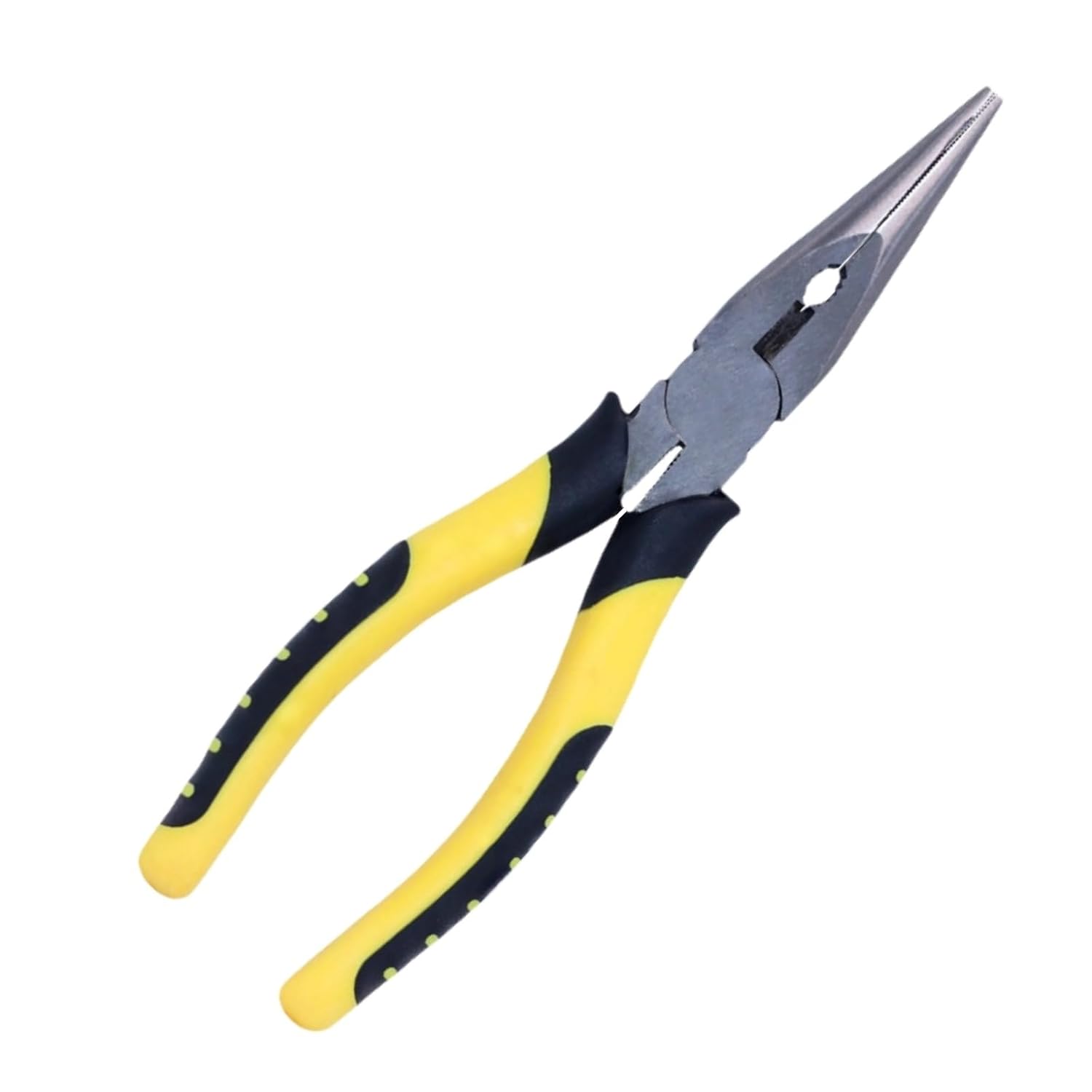
First, you need to get your design out of your head and onto the foam. The secret to clean cuts and graceful curves is using the right tool for the job. For precise results, here is a list of recommended tools:
A quick but important note on safety: Whenever you’re using a hot knife or a heat gun, please work in a well-ventilated space. It’s a simple precaution that’s standard practice when working with most foams and plastics.
With your pieces cut and shaped, it's time for assembly. The glue you choose is absolutely critical for a strong, invisible bond. The best choice for cross-linked polyethylene foam is a high-strength contact cement.
Follow these simple steps for a perfect bond every time:
This final stage is where your creation truly comes to life. One of the best benefits of XLPE foam is its smooth, non-porous surface, which makes it a dream to paint. A little prep work is essential for a flawless finish.
Follow these steps for a professional paint job:
Alright, you've got the vision, and now it's time for the final, most crucial step: getting your hands on the right material. The quality of cross-linked polyethylene foam you choose will make or break your final result.
The trick is to perfectly match the foam's properties to your project's demands. Before buying, consider these key factors:
So, where do you find this foam? You can track down cross-linked polyethylene foam from industrial suppliers and online retailers. When checking a potential source, look for suppliers who provide crystal-clear product descriptions with exact density and dimensions. That transparency helps you get the right material for your design.
For inspiration—and materials we know and trust—you can always explore our own curated collection of large craft foam sheets.
It’s also worth remembering just how big a deal this material is in the professional world, especially for packaging. The wider XLPE market, valued at a massive USD 1729.78 million back in 2026, is on track to hit USD 2922.99 million by 2035. A big reason for that growth is its incredible ability to protect things, which also makes it perfect for shipping your delicate creations.
Got Questions About XLPE Foam? We've Got Answers.
Jumping into a new material always sparks a few questions. To get you creating with confidence, we've put together some straightforward answers to the things designers and makers ask us most often.
Is XLPE Foam Actually Waterproof for Outdoor Events?
Yes, it absolutely is. This is one of the standout benefits of cross linked polyethylene foam. Its secret lies in its closed-cell structure. Picture a honeycomb where each tiny compartment is a sealed air bubble, making it impossible for water to seep in.
That’s why it’s a go-to choice for outdoor projects that need to look great, rain or shine. Use cases include:
- Wedding arches that stay picture-perfect even through a surprise shower.
- Festival installations that won’t get soggy from morning dew.
- Garden party decorations that can handle the elements without wilting.
How Can I Paint XLPE Foam So It Doesn’t Crack?
The key here is flexibility. Since the foam itself can bend and flex, your paint needs to be able to move right along with it.
For a crack-free finish, follow these steps:
- Prime First: Start with a flexible primer made for plastics. This gives the paint a strong foundation.
- Use Flexible Paint: Stick with flexible acrylic paints or grab a spray paint specifically formulated for plastics.
- Apply Thin Coats: Build up your color with several thin layers to maintain flexibility and achieve a smooth surface.
One of the great things about XLPE foam is that it's non-toxic and perfectly safe for all your decor projects. Just remember, if you're using a hot knife or a heat gun to cut or shape it, make sure you're in a well-ventilated space. That's a good rule of thumb for working with any plastic material.
Ready to turn that incredible vision of yours into a reality? Here at Amazing Giant Flowers, we have the premium materials, easy-to-follow DIY kits, and expert tutorials you need to build breathtaking floral displays. Explore our collection and start building your masterpiece today!
Ready to Create Something Amazing?
Browse our collection of giant flower kits and start your next project today.