

Rose Big Flower Guide: Expert Tips for Stunning Blooms 2026
Imagine your garden in 2026, alive with the most breathtaking rose big flower displays ever seen. These spectacular blooms capture attention instantly, making any outdoor space the envy of neighbors and guests.
Giant rose blooms are more than a trend—they are a growing obsession for gardeners who crave beauty and impact. What are the secrets behind cultivating such impressive flowers? This guide will reveal expert strategies, proven tips, and practical steps to help you achieve show-stopping results in your own rose beds.
Ready to transform your garden? Follow this guide as we cover everything: selecting the best varieties, preparing soil and site, planting and care, advanced techniques for maximum bloom size, troubleshooting common issues, and the top rose trends for 2026.
Choosing the Best Big Rose Varieties for 2026
Selecting the ideal rose big flower varieties is a crucial first step toward achieving those show-stopping blooms. Not all roses are created equal—some are bred specifically for size, while others excel in fragrance or color. Understanding the unique attributes of each type will empower you to make the best choice for your garden’s style and climate.
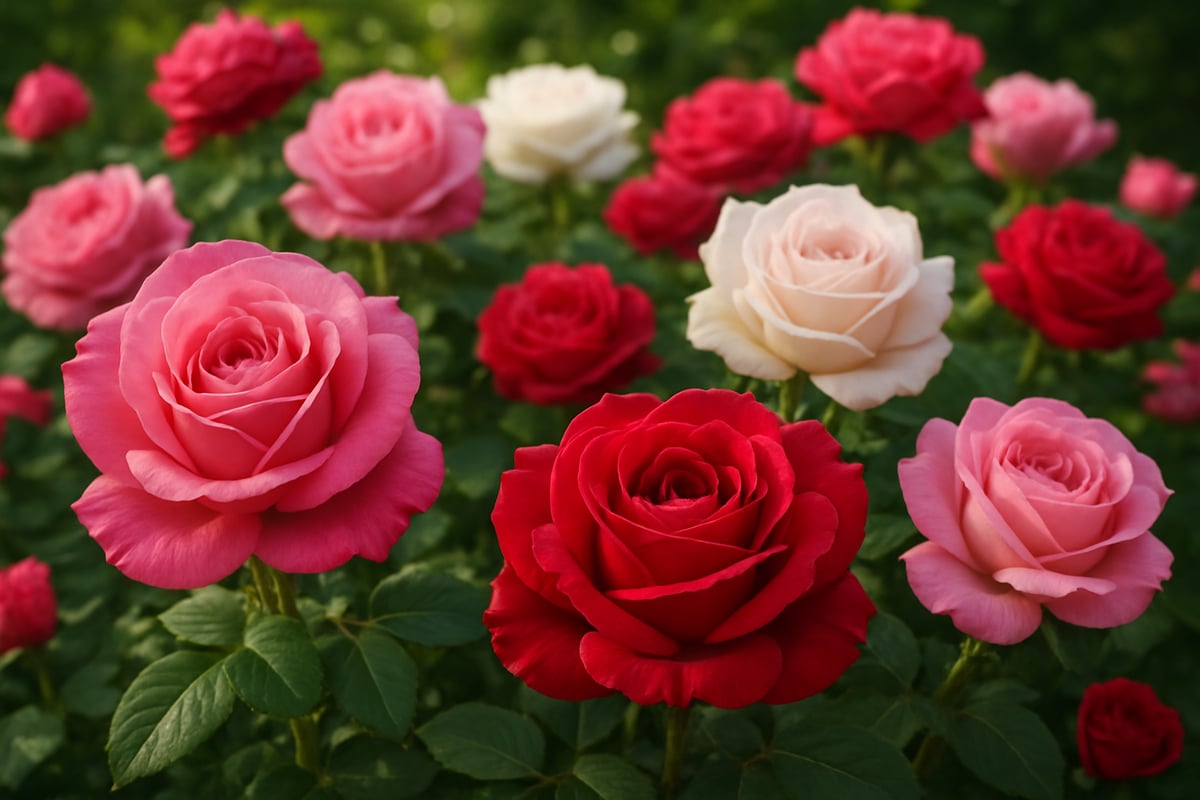
Understanding Rose Types for Large Blooms
When searching for the perfect rose big flower, it’s essential to distinguish between the main types that deliver impressive size. Hybrid teas are renowned for their classic, singular blooms and account for 70% of large-bloom rose show winners, as reported by the American Rose Society. Grandifloras offer clusters of large, elegant flowers, making them both prolific and visually striking. Shrub roses, meanwhile, combine hardiness with generous bloom size, especially in modern cultivars.
Modern breeding has introduced cultivars that outperform traditional favorites in both size and resilience. Notable examples include ‘Queen Elizabeth’, ‘Peace’, and ‘Mr. Lincoln’, each celebrated for their show-quality, oversized blossoms. When choosing your rose big flower, consider not only bloom size but also color vibrancy and fragrance, as these factors greatly enhance garden appeal.
Top-Rated Big Rose Varieties for 2026
Each year brings new advancements in rose big flower breeding, with 2026 introducing a remarkable lineup of oversized, disease-resistant varieties. Leading performers such as ‘Moonstone’—which won multiple awards in 2025 for its luminous, creamy petals—demonstrate the results of expert hybridization. Breeders also highlight new introductions with improved bloom size and adaptability across different USDA zones.
To guide your selection, review the Top-Rated Big Rose Varieties for 2026, which features expert recommendations and recent trial results. These lists include climate notes, making it easier to match your rose big flower to local conditions. Insights from rose societies and breeders confirm that top varieties combine size, color, fragrance, and disease resistance, making them ideal for gardeners seeking dramatic floral displays.
Sourcing Quality Plants and Bare Roots
Securing robust, authentic rose big flower plants is vital for successful growth. Reputable nurseries and trusted online sources offer a wide selection, but it’s crucial to verify the origin and health of each plant. Bare root roses, shipped while dormant, tend to establish faster and show up to 20% higher success rates in spring plantings compared to container-grown alternatives.
When inspecting potential purchases, look for strong canes, well-developed root systems, and disease-free stock. For example, a local nursery may allow hands-on inspection, while mail-order suppliers should provide clear photos and detailed descriptions. The right rose big flower stock will have healthy, pliable roots and firm, green stems, setting the stage for vigorous growth and giant blooms.
Considerations for Climate and Garden Space
Matching your rose big flower variety to your specific climate and garden layout ensures sustained success. Always select types suited to your USDA hardiness zone, as cold-hardy or heat-tolerant traits can make a significant difference in bloom performance. Roses thrive in locations with at least six hours of direct sunlight and benefit from ample spacing to promote air circulation and reduce disease risk.
For gardeners with limited space, compact big-bloom varieties are available, making it possible to enjoy oversized blossoms even in small beds or containers. Container gardening is a practical option, allowing you to move your rose big flower to optimal light and shelter as needed. Microclimates within your garden—such as sheltered corners or south-facing walls—can further enhance growth and flower size, according to expert rosarians.
Preparing Soil and Site for Maximum Rose Blooms
Achieving remarkable results with your rose big flower ambitions begins in the soil. The right foundation transforms ordinary roses into extraordinary showpieces. In this section, you will learn exactly how to prepare your soil and site, giving your roses the best chance to thrive and produce spectacular blooms.
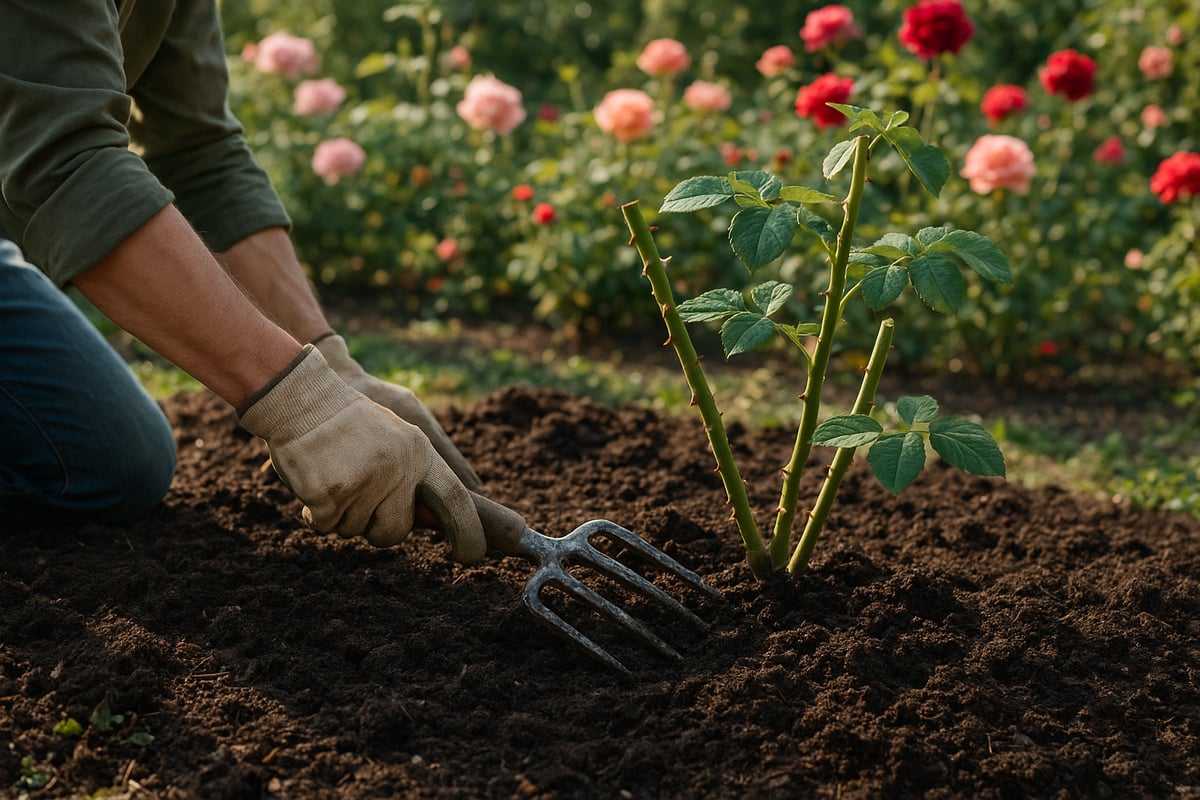
Soil Composition and Amendments for Big Roses
For any rose big flower project, soil quality is the cornerstone of success. Roses demand well-draining, loamy soil with a pH between 6.0 and 6.5. Start by mixing in organic matter such as compost or well-rotted manure. These materials not only feed your roses but also improve water retention and soil structure.
Consider adding targeted amendments like bone meal for phosphorus, alfalfa meal for growth stimulation, and Epsom salts to supply magnesium. These boost both plant health and bloom size. According to the Royal Horticultural Society, gardens with annual composting report 25% larger blooms.
Before and after photos of soil enrichment efforts reveal a dramatic difference in rose big flower performance. For a comprehensive guide on improving your soil, explore Soil Preparation Techniques for Roses.
Selecting and Preparing the Planting Site
When choosing a location, prioritize full sun—roses need at least 6 to 8 hours of direct light each day for optimal growth. Proper airflow helps reduce disease risk, so avoid crowded spaces. Wind protection is equally important, as strong gusts can damage tender stems and blooms.
Plan your rose beds to allow enough room for each rose big flower variety to reach its full size. Raised beds are an excellent solution if your native soil is compacted or drains poorly. Transforming a shaded yard into a thriving rose oasis is possible with strategic pruning and selective tree removal. Always map out your garden for both beauty and function.
Soil Testing and Troubleshooting
Testing your soil is a crucial step in any rose big flower journey. Home test kits or professional lab services can measure pH and nutrient levels accurately. Once you have results, adjust deficiencies by adding lime to raise pH or sulfur to lower it.
Common challenges include heavy clay, which restricts root growth, or sandy soils that dry out quickly. Amending clay with compost and coarse sand can dramatically improve drainage. Surveys indicate that 60% of failed rose plantings are linked to poor soil preparation, highlighting the importance of this step. If you encounter persistent issues, do not hesitate to seek advice from local extension services for tailored solutions.
Water Management and Drainage Solutions
Watering practices can make or break your rose big flower aspirations. Deep, infrequent watering encourages robust root systems, while shallow watering leads to weak plants. Drip irrigation is ideal, delivering moisture directly to the root zone and minimizing disease risk.
For gardens prone to soggy soil, install gravel or coarse sand at the base of planting holes to enhance drainage. In drought-prone areas, mulching with organic materials like bark or straw helps retain moisture and regulate soil temperature.
Remember, consistent moisture is key, but avoid overwatering, which causes root rot. Mulching also suppresses weeds, giving your roses the best chance to shine.
Planting and Caring for Big Rose Flowers: Step-by-Step Guide
Dreaming of a garden where every rose big flower is the star of the show? With the right approach, any gardener can achieve lush, oversized rose blooms that impress at first sight. This step-by-step guide walks you through the essential techniques for planting, nurturing, and maintaining your rose big flower varieties, ensuring they reach their full potential.
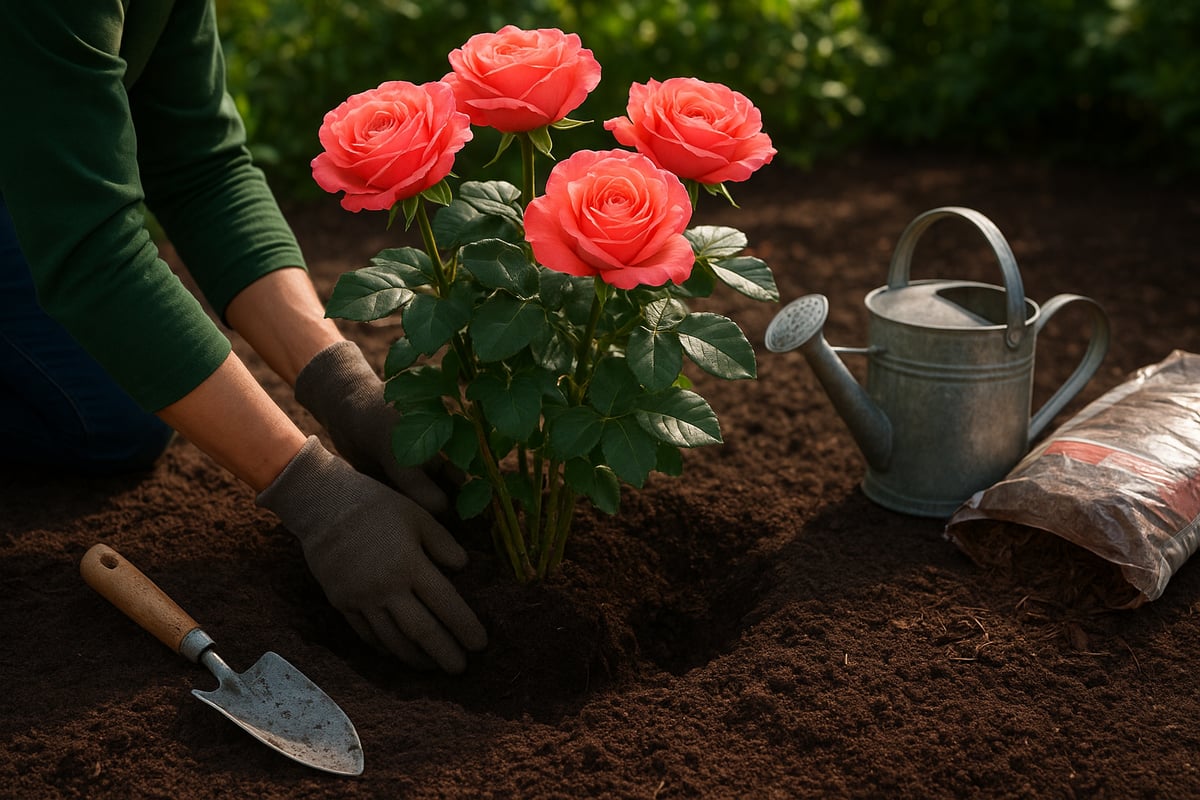
Step 1: Proper Planting Techniques
The foundation for every impressive rose big flower begins at planting. Choose a sunny spot with at least six hours of direct sunlight. Prepare a hole twice as wide as the root ball, ensuring the soil is loose and well-amended.
Soak bare root roses for several hours before planting. Trim damaged roots and position the plant so the bud union sits just above soil level in mild climates or slightly below in colder regions. Space plants 2–3 feet apart for airflow and growth.
A side-by-side comparison of correct and incorrect planting shows that proper depth and spacing lead to more vigorous rose big flower development. For more inspiration on achieving oversized blooms, explore the Oversized Floral Wonders Guide.
Step 2: Watering and Mulching for Growth
Consistent watering is critical for establishing a healthy rose big flower. Water deeply once or twice a week, allowing soil to dry slightly between sessions. Avoid shallow, frequent watering, which encourages weak roots.
Apply a 2–3 inch layer of mulch, such as bark or compost, around each plant. Mulch helps retain moisture, suppress weeds, and regulate temperature. Studies show mulched roses can yield up to 30 percent larger blooms.
Monitor for signs of overwatering, like yellow leaves, and underwatering, such as drooping stems. Adjust your routine as needed to keep your rose big flower thriving.
Step 3: Feeding and Fertilizing for Big Blooms
To maximize the size and vibrancy of each rose big flower, follow a balanced feeding schedule. Use a fertilizer with an N-P-K ratio tailored for roses, typically 5-10-5 or 10-10-10.
Feed roses in early spring, after the first flush, and again in midsummer. Organic options like fish emulsion and compost tea offer slow, steady nutrition, while synthetic fertilizers provide rapid results. Foliar feeding can be used for a quick nutrient boost.
A monthly feeding plan ensures continuous growth and larger blooms. Consistent, targeted nutrition is the secret to achieving exceptional rose big flower displays.
Step 4: Pruning and Training Techniques
Pruning is vital for both health and aesthetics. In late winter or early spring, use sharp, clean pruners to remove dead or diseased wood. Cut at a 45-degree angle just above outward-facing buds.
Shape the bush to promote airflow and sunlight penetration, reducing disease risk. For climbing or sprawling varieties, train canes along supports or trellises to encourage upright growth and bigger blooms.
A well-pruned rose big flower bush often produces noticeably larger, more abundant flowers compared to unpruned plants. Before-and-after results highlight the dramatic impact of proper pruning and training.
Step 5: Pest and Disease Prevention
Big blooms can attract pests like aphids and diseases such as black spot or powdery mildew. Regular inspection is key to catching issues early.
Use natural controls like insecticidal soap or neem oil for minor infestations. For stubborn problems, select targeted chemical treatments. Companion planting with garlic or marigolds can deter common pests naturally.
Integrated pest management practices can reduce disease incidence by up to 40 percent. Keeping your rose big flower plants healthy starts with vigilance and prompt action.
Step 6: Deadheading and Bloom Boosting
Deadheading is essential for repeat flowering. Snip spent blooms just above the first five-leaflet stem to stimulate new growth and encourage more rose big flower buds.
Pinching side shoots can result in multiple blooms per stem, while regular deadheading prevents energy loss to seed production. Be gentle to avoid damaging emerging buds.
Gardeners often see a marked increase in both the quantity and size of blooms after implementing a consistent deadheading routine. Expert tip: alternate between pinching and cutting to maximize flower size on each rose big flower bush.
Advanced Tips for Achieving Stunning Giant Rose Blooms
Unlocking the full potential of your rose big flower garden requires more than just basic care. Advanced growers use specialized techniques and strategies to achieve blooms that truly stand out. In this section, we’ll dive into expert-approved methods to maximize size, health, and beauty in every rose big flower you grow.
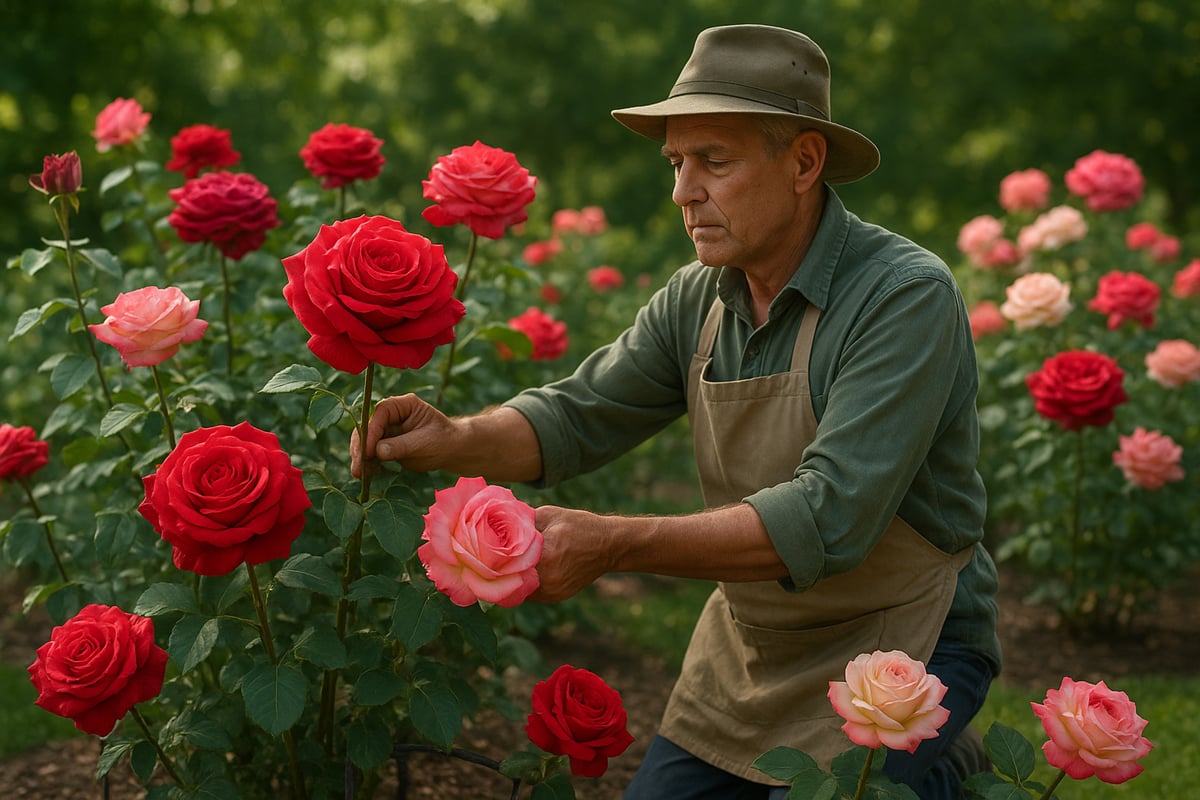
Maximizing Flower Size with Growth Regulators
One of the most powerful tools for the rose big flower enthusiast is the careful use of plant growth regulators. Compounds like gibberellic acid can stimulate larger blooms by encouraging cell elongation and robust bud development. These regulators are best applied early in the growing season, directly to the foliage or soil, following manufacturer guidelines.
In controlled trials, societies have observed significant increases in bloom diameter—up to 15 percent larger than untreated controls. Always use these products with caution. Overuse can lead to weak stems or abnormal growth, so precision is key. Record your applications and monitor each rose big flower for optimal results.
Selecting the Right Support Structures
Large blooms place extra weight on stems, making support essential for every rose big flower. Staking, caging, or training roses to sturdy trellises helps prevent breakage and encourages upright growth. Choose materials like coated metal or rot-resistant wood for longevity and aesthetics.
For particularly heavy varieties, such as grandifloras, use wide, padded ties to avoid damaging canes. In one case study, supporting grandiflora roses produced healthy, upright plants with blooms reaching eight inches across. Functional supports not only protect your rose big flower investment but also enhance your garden’s visual appeal.
Light Manipulation and Shading Techniques
Optimizing light exposure is crucial for growing an impressive rose big flower. Reflective mulches, such as white gravel or silvered film, can increase available sunlight around the base of your plants. During extreme heat, temporary shading with light fabric helps prevent petal scorch and color fade.
Supplemental grow lights in early spring or late autumn can extend the blooming season and improve flower size. In greenhouse environments, proper light management has resulted in an 18 percent increase in rose big flower dimensions, proving the value of this advanced technique.
Foliar Sprays and Bloom-Enhancing Supplements
Targeted foliar sprays are a favorite among expert growers aiming for the ultimate rose big flower. Seaweed extracts and micronutrient blends deliver essential minerals directly to the leaves, promoting vigorous growth and larger blooms. Apply foliar sprays in the early morning or late afternoon for maximum absorption.
Consistent supplementation, timed with the plant’s growth cycle, ensures visible improvements. In side-by-side trials, roses treated with foliar sprays outperformed untreated controls, both in size and vibrancy. Consult expert recommendations for the best products to use on your rose big flower in 2026.
Show Preparation for Prize-Winning Roses
If you aspire to showcase your rose big flower at competitions or in arrangements, grooming and timing are everything. Begin by cleaning leaves, disbudding secondary buds to channel energy into the largest bloom, and staging the plant for symmetry. Coordinating bloom timing with show dates requires close observation of growth patterns and weather.
For inspiration and display ideas, explore Large Rose Bouquet Inspiration, which highlights creative ways to present oversized blooms. On show day, transport flowers in cool, humid conditions and use soft supports to prevent petal damage. Judges seek perfection in size, color, and condition, so every detail counts in your rose big flower presentation.
Troubleshooting Common Problems with Big Rose Flowers
Even with the best care, you may run into challenges when growing a rose big flower. Recognizing issues early and knowing how to respond ensures your giant blooms remain healthy and vibrant throughout the season.
Identifying and Solving Growth Issues
If your rose big flower displays small blooms, weak stems, or yellowing leaves, pinpointing the cause is essential. Nutrient deficiencies are a leading culprit, with nitrogen, iron, and magnesium often lacking in garden soils. Environmental stress, such as sudden temperature changes or poor airflow, can also affect growth.
Begin by checking for consistent watering and balanced feeding. Overwatering may cause root rot, while underwatering leads to stunted flowers. Improve airflow by spacing plants properly and pruning dense growth. If a rose big flower continues to struggle, test the soil for pH and nutrients, and adjust as needed.
- Inspect for discolored or misshapen leaves
- Check soil moisture and drainage
- Prune regularly for better air movement
With attentive care, most problems can be resolved before they impact your rose big flower display.
Dealing with Pests and Diseases in Large-Flowered Roses
Large blooms are sometimes more vulnerable to pests and fungal diseases. Common threats include aphids, Japanese beetles, black spot, and powdery mildew. To protect your rose big flower, combine organic treatments like neem oil with good hygiene—remove fallen leaves and infected stems promptly.
Opt for disease-resistant varieties whenever possible. According to the American Garden Rose Selections 2026 Winners, top-performing roses offer both impressive size and resilience. Space your plants to ensure airflow, and water at the base to prevent leaf wetness.
- Monitor plants weekly for early signs of infestation
- Use companion planting to deter pests
- Rotate organic and chemical controls for best results
With proactive care, your rose big flower can thrive even in challenging seasons.
Weather and Environmental Challenges
Weather extremes can stress a rose big flower, affecting bloom quality. Heatwaves may cause petal scorch, while heavy rains can lead to root rot or fungal outbreaks. Prepare your garden by mulching to retain moisture and installing windbreaks to shield delicate stems.
During drought, water deeply but infrequently to encourage strong root systems. For sudden cold snaps, use frost cloths or move container roses to sheltered spots. If your rose big flower is impacted by storms, trim damaged growth promptly and apply balanced fertilizer to encourage recovery.
- Add mulch for temperature and moisture control
- Use shade cloth during severe heat
- Remove debris after storms to limit disease
Adapting your care routine keeps your rose big flower resilient against unpredictable conditions.
When to Seek Professional Help
Sometimes, a rose big flower develops problems beyond typical home remedies. Signs like persistent wilting, advanced fungal infections, or widespread pest damage warrant expert attention. Reach out to local extension services or certified rosarians for in-depth guidance.
Professional soil testing can uncover hidden nutrient imbalances, while garden audits identify environmental issues. For ongoing support, consider joining rose societies or online forums where experienced growers share advice.
- Seek help for severe or recurring issues
- Utilize laboratory soil tests for accurate diagnosis
- Engage with rose care communities for ongoing learning
By acting promptly and seeking expert input, you can restore even the most troubled rose big flower to full glory.
Rose Trends & Innovations for Big Blooms in 2026
The world of rose big flower gardening is rapidly evolving in 2026. Whether you are a seasoned exhibitor or a home gardener, staying ahead of these trends will help your roses stand out in any setting. Let’s explore the latest breakthroughs, sustainable practices, smart technology, and community inspirations shaping the future of giant blooms.
Breakthrough Breeding and New Varieties
Rose breeders are pushing the boundaries with new cultivars designed to produce rose big flower displays that dazzle. In 2026, expect to see introductions like ‘Titan Queen,’ renowned for its massive blooms and robust disease resistance. These advances result from cutting-edge hybridization and genetic selection, focusing on size, vigor, and climate adaptability.
Recent horticultural shows have highlighted roses that thrive in challenging environments, giving gardeners more options than ever. For further insight into the evolution of these trends, review Rose Trends and Innovations for 2025, which showcases how breeders’ priorities have shifted toward larger, hardier blooms. These innovations ensure your rose big flower garden remains ahead of the curve.
Sustainable Rose Gardening Practices
Sustainability is at the core of modern rose big flower cultivation. Eco-friendly fertilizers, organic pest management, and water-wise irrigation systems are becoming standard practice. Many gardeners now choose drought-tolerant varieties that maintain impressive bloom size even during dry spells.
Pollinator-friendly amendments and composting are also on the rise, supporting both plant health and the local ecosystem. According to a 2025 gardening trends report, 40% of new rose enthusiasts now prioritize these sustainable practices. Embracing these methods not only benefits your rose big flower garden but also contributes to a healthier planet.
Technology and Smart Gardening Tools
Technology is transforming how gardeners achieve rose big flower success. Apps for tracking bloom cycles, soil conditions, and care routines make it easier to provide optimal support for each plant. Smart irrigation systems and soil sensors take the guesswork out of watering and feeding, ensuring consistent growth.
Some large-scale growers are even using drones and imaging technology to monitor rose health across vast displays. These innovations help gardeners maximize bloom size, troubleshoot issues early, and manage resources efficiently. Embracing smart tools empowers both hobbyists and professionals to elevate their rose big flower results.
Community, Shows, and Social Media Inspiration
The rose big flower movement thrives on community engagement and shared inspiration. Major rose shows in 2026 feature breathtaking displays and foster friendly competition among growers. Online groups and forums offer a wealth of advice, while social media trends like the #BigRoseChallenge inspire creativity and connection.
Many gardeners enjoy creating stunning event backdrops or virtual tours to showcase their achievements. For ideas on how to make your blooms the star of any gathering, explore Backdrop Roses for Events, which highlights ways to display rose big flower arrangements at their best. Sharing your garden journey online can spark new friendships and keep you motivated throughout the season.
As you set out to create your most spectacular rose garden yet, remember that the right knowledge and resources make all the difference. Whether you’re choosing the perfect big-bloom variety or perfecting your soil and care techniques, every detail brings you closer to those show-stopping results you dream of. If you’re as fascinated by giant flowers as I am, and want to see how truly remarkable they can be—far beyond what you’ll find in a typical garden—why not explore what’s possible?
Want to know more about these flowers?