

Foam Paper Guide: Creative Uses and Tips for 2026
Are you ready to unlock your creative potential with foam paper in 2026? This innovative material is rapidly becoming a staple in classrooms, craft rooms, and event spaces alike. Its versatility and vibrant colors inspire endless possibilities for both beginners and professionals.
As interest in sustainability and personalization grows, foam paper stands out for its adaptability and eco-friendly advancements. Whether you are designing a school project, planning a memorable event, or crafting custom decor, this guide will equip you with trending ideas and expert advice.
Explore the sections ahead to discover essential tips, the latest techniques, and industry insights that will help you make the most of foam paper in your next project.
Foam Paper Fundamentals: What You Need to Know
Foam paper is a modern crafting material that has become a staple for creative projects in 2026. It is made from flexible foam, usually EVA or PE, compressed into thin, lightweight sheets. Compared to cardstock or felt, foam paper offers a unique spongy texture and increased versatility. Crafters can now choose from a range of thicknesses, from ultra-thin sheets for delicate work to thicker options for sturdy, three-dimensional builds.
What Is Foam Paper?
Foam paper is crafted from closed-cell foam, most often EVA, which gives it a soft, pliable structure. Unlike traditional paper or felt, foam paper resists creasing and maintains its shape after cutting. In 2026, foam paper is available in a spectrum of thicknesses, making it suitable for everything from intricate embellishments to robust models. The texture can be smooth, embossed, or even patterned, offering endless options for creators.
Key Properties and Benefits
One of the main advantages of foam paper is its lightweight feel, which makes it easy to handle and cut. Its flexibility allows for shaping, curling, and layering without cracking. Foam paper is also water-resistant, so projects last longer and withstand spills or humidity. It is hypoallergenic and safe for children, meeting strict safety standards. These features make foam paper ideal for both classroom and professional use, where durability and safety are top priorities.
Types and Sizes Available in 2026
The foam paper market in 2026 features an impressive variety, including standard, glitter, self-adhesive, and patterned sheets. Sizes range from small, pre-cut pieces to large poster-sized options, with an expanded color palette for personalized projects. Eco-friendly innovations, such as biodegradable and recycled foam papers, are now widely accessible. For inspiration, explore Glitter foam sheet project ideas to see how specialty finishes can elevate your crafts.
Essential Tools for Working with Foam Paper
To achieve clean results with foam paper, use sharp scissors, precision craft knives, or die-cut machines for consistent shapes. Adhesives such as craft glue, double-sided tape, and foam-specific glues are effective for bonding layers. For customization, consider embossing tools, texture rollers, and acrylic paints. These tools allow for crisp edges, secure joins, and unique surface effects. Investing in quality tools ensures a smoother creative process and professional-looking foam paper projects.
Common Challenges and Solutions
While foam paper is resilient, improper handling can cause tearing or warping. To prevent this, always use sharp blades and cut on a stable surface. When gluing, apply adhesive sparingly to avoid seepage and uneven layers. Store foam paper flat, away from direct sunlight, to maintain its color and texture. If sheets become warped, a gentle press under a heavy book can restore flatness. Practice and patience lead to flawless results with foam paper.
Example Applications
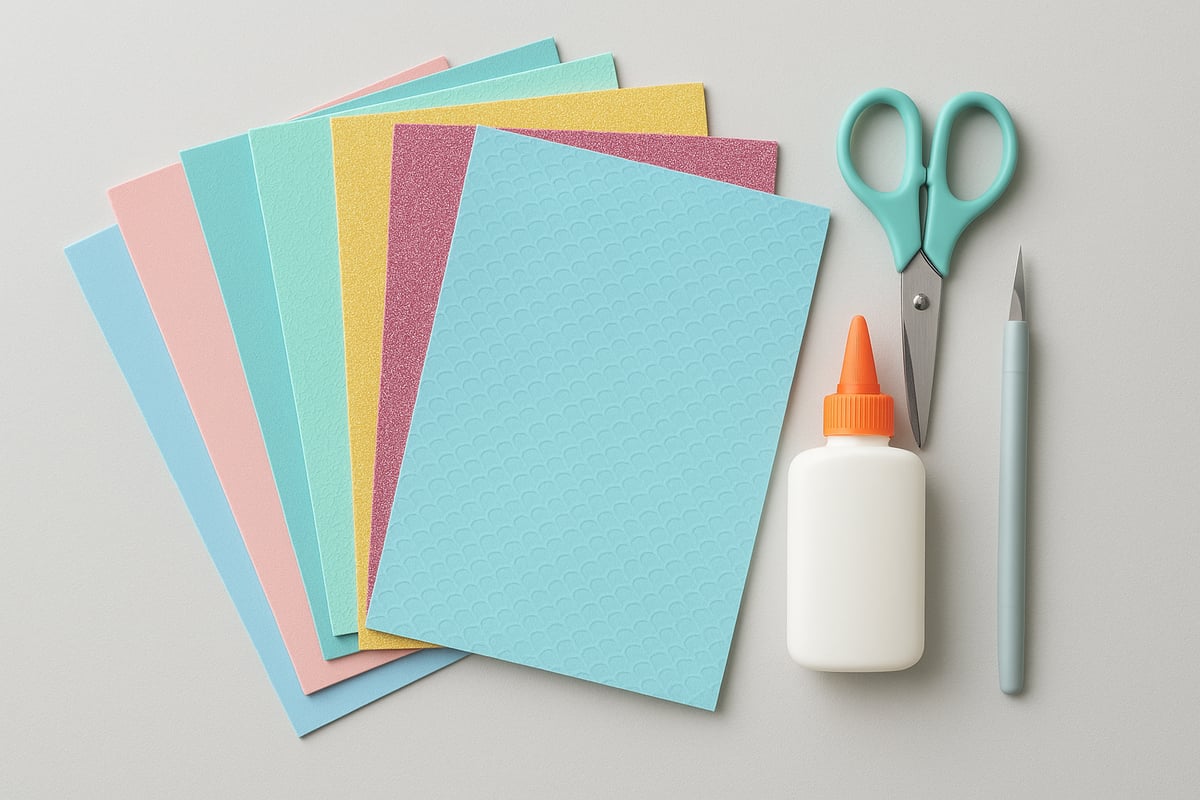
Foam paper is widely used in school art projects, home décor, cosplay props, and retail signage. Teachers value it for hands-on classroom learning, while hobbyists create everything from fridge magnets to 3D wall art. According to competitor educational content, over 60 percent of craft classrooms use foam paper for interactive, tactile activities. This widespread adoption highlights its importance in modern creative environments.
Creative Uses of Foam Paper in 2026
The landscape of creative projects is evolving rapidly, and foam paper stands out as a versatile material shaping this transformation. In 2026, its adaptability across crafts, education, events, and business settings is driving new trends and possibilities. Explore how foam paper is redefining creativity in each of these areas.
Trending Craft Projects
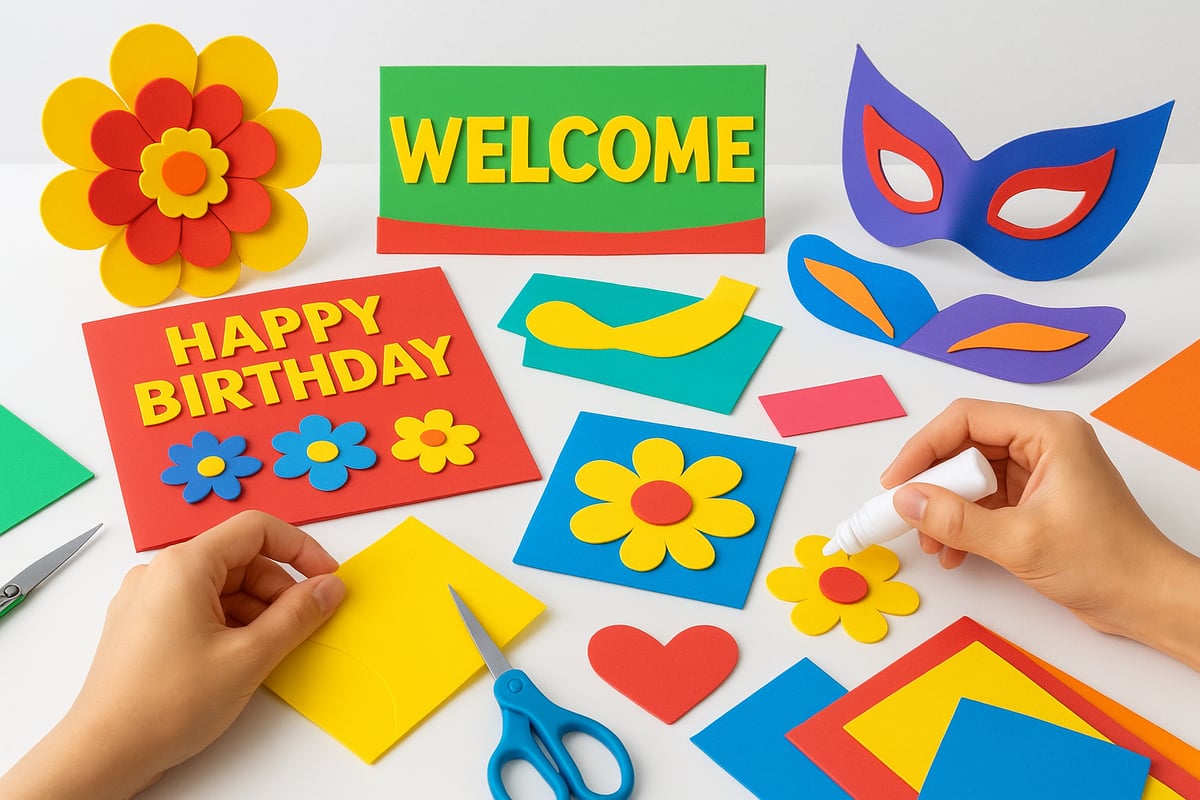
Foam paper is at the heart of many trending craft projects in 2026. Crafters are using it to build intricate 3D wall art, create personalized greeting cards, and design interactive scrapbooks that pop with color and texture. The flexibility of foam paper makes it ideal for puppets and educational manipulatives, allowing for both simple and complex creations.
A standout trend is the popularity of pop-up bouquets and floral arrangements on platforms like TikTok. If you are looking for inspiration or guidance on these projects, check out these foam for flower decoration tips to elevate your designs. The ease of cutting and shaping foam paper empowers both beginners and experts to craft with confidence.
Event and Party Decor
Event planners and DIY enthusiasts are turning to foam paper for standout decor elements. From photo booth props to custom banners and decorative table centerpieces, foam paper delivers vivid color and structural versatility. Its lightweight quality makes it perfect for large backdrops and signage at themed parties, weddings, and corporate events.
Recent statistics show that 40 percent of event planners have adopted foam paper for cost-effective decorations. Its ability to mimic more expensive materials while remaining budget-friendly has made it a staple for celebrations of every kind. With foam paper, any event can be transformed with creativity and style.
Educational and Classroom Applications
In classrooms, foam paper is revolutionizing hands-on learning. Teachers use it to create engaging visual aids, alphabet and number boards, and models for science lessons. Its tactile nature supports sensory learning, making it especially valuable in special education environments.
Foam paper is also favored for tactile spelling activities, where students can touch and move letters to reinforce language skills. Over 60 percent of craft classrooms now use foam paper for interactive projects, reflecting its growing role in education. This material continues to inspire students and educators alike.
Fashion, Cosplay, and Accessories
Foam paper is making waves in fashion and cosplay circles. Creative minds are using it to craft costume armor, wearable masks, and even statement jewelry. Its lightweight yet durable properties enable intricate detailing without sacrificing comfort.
Events like Comic-Con 2026 have spotlighted foam paper cosplay contests, showcasing elaborate costumes built with this innovative material. Shoe embellishments, hats, and custom accessories are also gaining popularity, as foam paper allows for endless personalization in wearable art.
Home Decor and DIY Upcycling
Home decorators are embracing foam paper for a wide range of DIY and upcycling projects. It is commonly used for wall decals, fridge magnets, and decorative storage boxes. Many DIY enthusiasts are revitalizing old frames or furniture by adding foam paper overlays for a fresh, modern look.
Pinterest boards are filled with ideas for foam paper accent walls and unique decor accents. The broad spectrum of colors and textures available in 2026 means homeowners can match any style or theme. Foam paper offers a simple way to refresh living spaces with creativity.
Business, Retail, and Signage Uses
Small businesses and retailers are leveraging foam paper to create eye-catching window displays, point-of-sale signage, and menu boards. The material’s adaptability allows for rapid prototyping and easy customization, making it ideal for branding and product displays.
Recent data reveals a 25 percent increase in small businesses utilizing foam paper for custom branding solutions. Its cost-effectiveness and visual impact help businesses stand out in competitive markets. Foam paper continues to bridge the gap between functionality and design in the retail world.
Innovative Art Installations and Public Displays
Foam paper’s influence extends to large-scale art installations and public displays. Artists and community organizations are constructing murals, sculptures, and interactive pieces using foam paper for its accessibility and safety. These installations are often featured at city festivals and public events, encouraging community engagement.
The lightweight and durable nature of foam paper allows for ambitious projects that would be difficult with other materials. Community art projects benefit from its affordability and ease of use, making creative expression more inclusive and impactful for all.
Step-by-Step Guide: Mastering Foam Paper Techniques
Unlocking the full creative potential of foam paper requires the right techniques and careful planning. This step-by-step guide covers everything from workspace setup to finishing touches, ensuring your projects achieve professional results. Whether you are new to foam paper or ready to perfect your skills, these methods will help you create with confidence.
Preparing Your Workspace
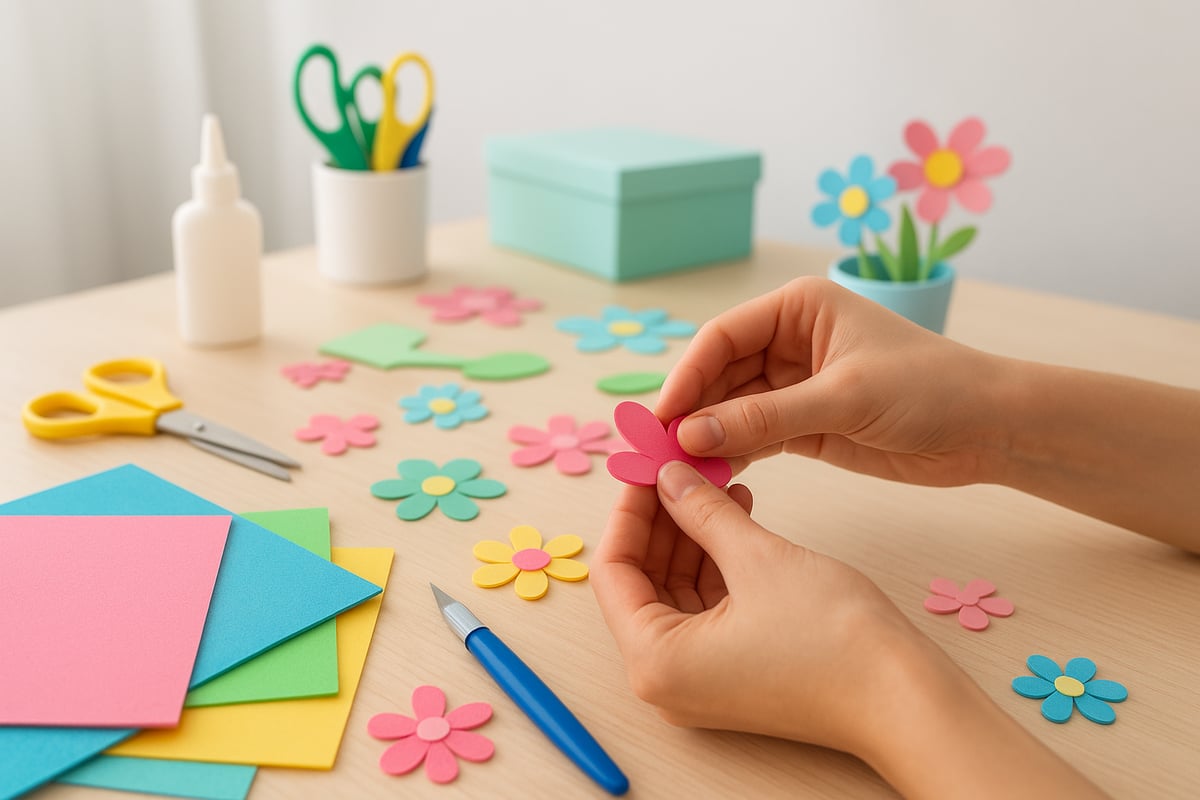
A well-prepared workspace is essential for efficient foam paper crafting. Begin by gathering all necessary materials, including foam paper sheets, scissors, craft knives, adhesives, and embellishments. Arrange your tools within easy reach to streamline your process.
If you are crafting with others, set up a spacious table and use storage bins or trays to sort different foam paper types. Always work on a clean, flat surface to avoid damaging delicate pieces.
Safety is crucial. Use cutting mats to protect both your table and your foam paper. Keep sharp tools away from children and ensure proper ventilation when using adhesives. A tidy, organized workspace not only boosts productivity but also keeps your foam paper in top condition.
Cutting, Shaping, and Layering Foam Paper
Precision is key when cutting foam paper. Start by using templates or stencils for consistent shapes, especially for intricate designs. Scissors work well for straight lines, while craft knives are ideal for curves and detailed cuts. Always cut slowly to prevent tearing.
To shape foam paper, try scoring with a blunt tool for crisp folds or gently curling edges around a pencil for 3D effects. Layering different colors and thicknesses of foam paper adds depth to your project.
Experiment with stacking shapes to create dimension in wall art or models. Remember, the flexibility of foam paper allows for creative manipulation, making it suitable for both beginners and advanced crafters.
Gluing, Attaching, and Assembling
Selecting the right adhesive is vital for foam paper projects. Use white craft glue for general assembly, but opt for specialty foam adhesives when you need extra strength or flexibility. Double-sided tape is perfect for quick, mess-free bonds.
For seamless joins, apply glue sparingly and press pieces together until set. To create movable parts, such as in interactive displays, consider using brads, Velcro, or small magnets. These options allow for repositioning without damaging the foam paper.
When assembling layered designs, work from the base up. This ensures stability and helps align each layer accurately for a polished finish.
Painting, Embellishing, and Customizing
Foam paper is highly customizable. Use acrylic paints, permanent markers, or fabric inks to add vibrant color and detail. Always test your medium on a scrap piece to ensure compatibility and avoid unwanted reactions.
Embellish foam paper with glitter, sequins, or fabric overlays for extra flair. Texture stamping and heat embossing can give your designs a professional look. If you are interested in floral projects, check out this Foam flowers step-by-step guide for inspiration and advanced techniques.
Take your time while customizing, as thoughtful details can transform simple foam paper crafts into eye-catching creations.
Troubleshooting and Fixing Mistakes
Even experienced crafters encounter issues with foam paper. If you accidentally tear a piece, repair it by aligning the edges and securing with a thin layer of adhesive. For dents or creases, gently massage the area or cover it with an embellishment.
Excess glue can be removed with a damp cloth before it dries. To fix uneven edges, trim with sharp scissors for a clean look. Do not discard foam paper scraps, as they are perfect for small accents or patching mistakes.
Keeping a troubleshooting kit nearby, including extra adhesives and precision tools, ensures that minor setbacks never derail your project.
Finishing and Preserving Your Work
Proper finishing is essential to protect your foam paper creations. For outdoor or high-touch projects, seal the surface with a clear acrylic spray to add water resistance and durability. Mounting your work on sturdy backing, such as cardboard or wood, provides extra support.
Frame or display your foam paper art in shadow boxes to prevent dust and damage. Store unused foam paper flat, in a cool, dry place, to maintain its shape and color.
With these preservation strategies, your foam paper projects will remain vibrant and intact, ready to impress for years to come.
Sustainability and Safety: The Future of Foam Paper
The future of foam paper is defined by innovation in sustainability and safety. In 2026, manufacturers and crafters alike are reimagining how foam paper can be produced, used, and disposed of responsibly. As environmental awareness grows, the industry is rapidly shifting toward greener, safer solutions for everyone.
Eco-Friendly Foam Paper Options
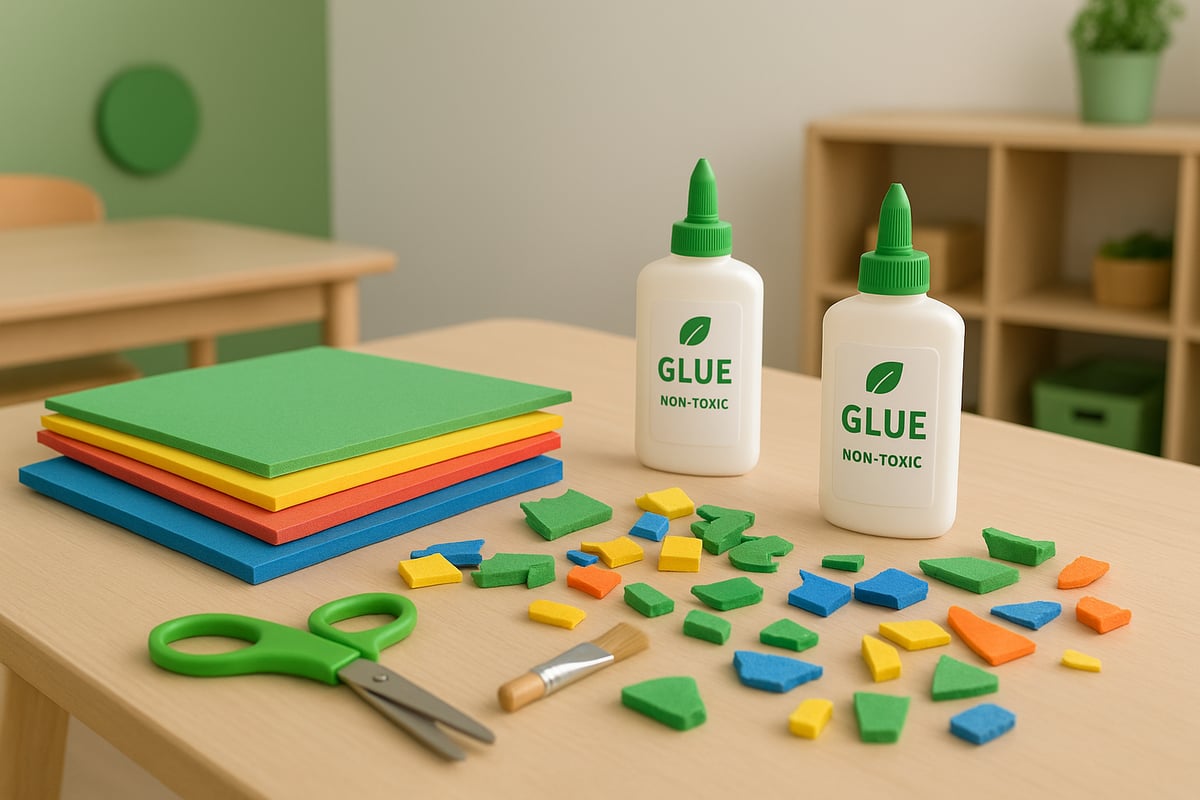
Eco-friendly foam paper is a top priority in 2026. Companies are launching biodegradable and recycled versions to meet growing demand for sustainable materials. Many products now carry certifications like FSC, Green Seal, or similar eco-labels, making it easier for consumers to choose responsibly.
Schools are increasingly adopting these greener materials, ensuring students can create without harming the planet. For crafters seeking advanced options, the Biobased EPS Foam Development highlights breakthroughs in foam paper that is both recyclable and biodegradable. This shift helps reduce the environmental footprint of creative projects while maintaining the versatility and vibrant colors that foam paper is known for.
Safe Use for All Ages
Safety is at the heart of every foam paper innovation. In 2026, nearly 90% of foam paper brands adhere to enhanced non-toxic manufacturing standards. This means products are free from harmful chemicals, making them suitable for children and allergy-sensitive individuals.
Look for certifications like ASTM D-4236 or EN71, which indicate rigorous safety testing. Many foam paper sheets are now labeled as hypoallergenic, providing peace of mind for parents and educators. Whether used in classrooms or at home, foam paper offers a secure crafting experience for makers of all ages.
Recycling and Responsible Disposal
Recycling foam paper is becoming more accessible with new community programs and collection points. Many cities now offer drop-off bins for foam paper scraps, ensuring that leftover material is processed responsibly. Upcycling is also popular, with craft clubs organizing drives to transform discarded foam paper into new art pieces.
To recycle foam paper effectively:
- Separate clean foam paper from contaminated scraps.
- Check local recycling guidelines for accepted types.
- Participate in community drives for creative reuse.
These steps help keep foam paper out of landfills and encourage a circular crafting economy.
Reducing Waste and Maximizing Material Use
Efficient crafting practices are essential for minimizing foam paper waste. Cut carefully to avoid excess offcuts, and save even the smallest pieces for future projects. Makerspaces and craft studios are adopting zero-waste policies, ensuring every bit of foam paper is put to good use.
Consider these tips:
- Plan designs to use full sheets.
- Store scraps by color or size for easy access.
- Organize group projects to combine leftover pieces.
A standout example is a makerspace that implemented a strict zero-waste foam paper policy, inspiring others to rethink their crafting habits. By maximizing material use, creators contribute to a more sustainable future for foam paper.
Expert Tips and Pro Recommendations for 2026
Mastering foam paper in 2026 requires more than creativity. It demands technical skill, quality materials, and a keen eye on emerging trends. This section delivers expert insights to help you elevate every foam paper project, whether you craft for fun, education, or business.
Advanced Techniques and Tricks
Take your foam paper skills to the next level by experimenting with advanced methods. Heat tools, such as embossing guns, allow you to curl and shape foam paper for realistic petals or costume details. Try layering different thicknesses to create shadow and depth, making your projects stand out.
For unique finishes, use texture stamps or presses. These tools help mimic wood grain, leather, or even metallic surfaces. Precision is key—use templates and sharp blades for clean edges. When working with intricate designs, practice on scraps first to refine your technique and avoid waste.
Sourcing Quality Foam Paper and Tools
Finding high quality foam paper and reliable tools is essential for professional results. In 2026, many suppliers now offer eco-friendly and recycled options, meeting both performance and sustainability standards. Look for brands with transparent sourcing and recognized certifications.
Compare prices across bulk and specialty retailers, and read product reviews to gauge durability and ease of use. For innovative materials, research findings like those in the Adaptive Recycled Plastic Architecture Study can guide your choices toward sustainable foam paper options. Investing in trusted brands and proper tools ensures your projects stay vibrant and long-lasting.
Collaboration and Community Inspiration
The foam paper community is thriving online and offline. Join dedicated craft groups and forums to share ideas, troubleshoot challenges, and discover new techniques. Many platforms host monthly challenges or themed workshops, fostering creativity and skill development.
Annual global competitions showcase the best in foam paper artistry, offering inspiration and networking opportunities. Collaboration with peers can spark fresh ideas and keep your work aligned with current trends. Whether you are a beginner or a seasoned pro, engaging with the community elevates your foam paper journey.
Future Trends and Innovations
Stay ahead by embracing the trends shaping foam paper in 2026. Expect bold color palettes, digital integration with laser cutters, and increased demand in education and retail. Industry events, like the SPE Foams® 2026 Conference, highlight advancements in foam materials and eco-friendly technologies.
Design themes are shifting toward sustainability, with biodegradable and recycled foam paper gaining traction. As new crafting tools emerge, adaptability will be your greatest asset. Monitoring these innovations ensures your projects remain relevant and environmentally responsible.
Now that you've discovered how foam paper is transforming creative projects in 2026—from innovative event decor to hands-on classroom activities—you might be curious about what’s possible at a grander scale. If you’re inspired by the idea of larger-than-life floral art or want to see how pros use foam to craft jaw-dropping installations, you’re in the right place. I encourage you to explore a world where creativity meets craftsmanship and every event becomes unforgettable. Want to know more about these flowers? Want to know more about these flowers?