

Foam for Craft Guide: Creative Uses and Tips for 2026
Foam for craft is taking the creative world by storm, with new techniques and materials predicted to make a major impact in 2026. Whether you are a beginner exploring simple projects or an expert seeking advanced innovations, foam for craft offers endless possibilities.
This comprehensive guide will walk you through everything you need to know, from the different types of craft foam and essential tools to inspiring project ideas and professional finishing techniques. You will also discover crucial safety tips, eco-friendly practices, and a glimpse into the future of foam crafting.
Curious about how to get the most out of foam for craft? Dive into each section for expert insights, trending ideas, and the inspiration you need to elevate your next project.
Understanding Craft Foam: Types, Properties, and Selection
Foam for craft projects is more popular than ever, thanks to its incredible versatility and creative potential. Whether you are a beginner or an expert, understanding the types of foam for craft will help you achieve professional results on any project.
Popular Types of Foam for Craft Projects
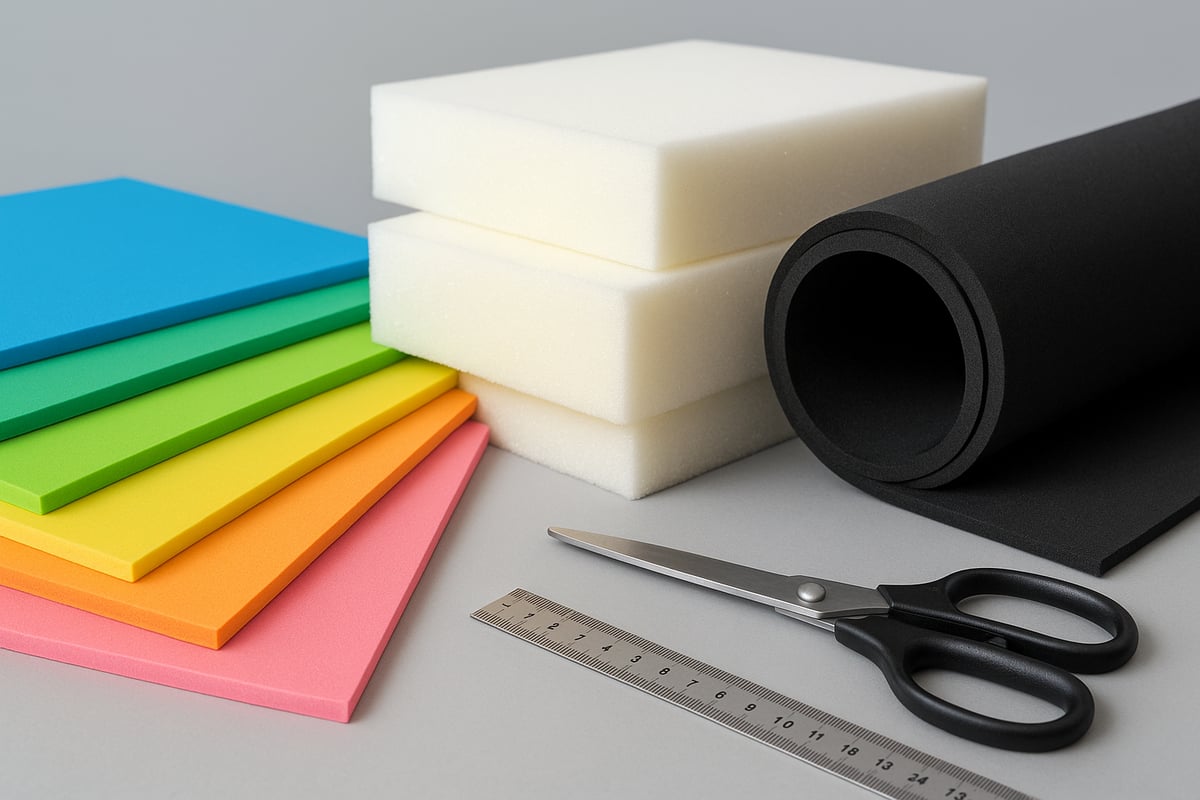
Many foams are available for craft use, each offering unique characteristics. The most common types include EVA foam, polyurethane foam, neoprene, memory foam, and specialty craft foams. EVA foam is especially popular for its flexibility and ease of shaping. Polyurethane foam offers a lightweight, cushiony feel, while neoprene is valued for its durability and water resistance. Memory foam is used for projects needing extra softness and contouring.
The table below compares the most common options:
| Foam Type | Flexibility | Durability | Best For |
|---|---|---|---|
| EVA Foam | High | High | Cosplay, props, décor |
| Polyurethane | Medium | Moderate | Models, padding |
| Neoprene | Medium | Very High | Wearables, accessories |
| Memory Foam | High | Moderate | Cushions, comfort crafts |
| Specialty Foams | Varies | Varies | Unique effects, fine detail |
Key Properties and Selection Criteria
When choosing foam for craft, consider these essential properties:
- Flexibility: How easily the foam bends without breaking.
- Density: Affects weight, feel, and structural strength.
- Thickness: Determines support and layering options.
- Color Variety: Impacts design possibilities.
- Durability: Important for items that will be handled often.
Selecting the right foam for craft depends on your specific project needs. For example, EVA foam is ideal for costumes and props, as it can be cut, heated, and painted easily. If you need a soft, supportive base for models, polyurethane or memory foam may be the best choice.
Open-Cell vs Closed-Cell Foams
Understanding the difference between open-cell and closed-cell foams is crucial. Open-cell foams are softer, more compressible, and often used for padding or soundproofing. Closed-cell foams, like EVA and neoprene, are denser and water-resistant, making them suitable for detailed, durable foam for craft applications.
Closed-cell foams are preferred for outdoor or wearable projects due to their resilience and ability to hold shape. Open-cell types may be better for lightweight models or indoor décor.
Shapes, Formats, and Practical Tips
Foam for craft comes in sheets, rolls, blocks, and pre-cut shapes. Sheets are great for cutting patterns, while rolls offer flexibility for wrapping or large-scale projects. Blocks provide volume for sculpting, and pre-cut shapes save time on repetitive tasks.
When selecting foam for craft, consider the final look and function. For intricate details or layered effects, thinner sheets work best. For structural pieces, thicker or denser foam is ideal.
Pros, Cons, and Market Trends
Each foam type has its own strengths and limitations. EVA foam stands out for its ease of use and adaptability, which explains its rise in cosplay and prop-making circles. The growing demand for EVA and neoprene foams has been confirmed by 2024-2025 industry reports, highlighting their popularity in the creative community.
If you are looking for a wide range of options, Craft EVA Foam Sheets provide an excellent starting point for any foam for craft project, especially for those aiming for professional results.
Essential Tools and Supplies for Foam Crafting
To achieve professional results with foam for craft, having the right tools and supplies is essential. Whether you are new to crafting or an experienced artist, the right equipment can make all the difference in precision, finish, and ease of use.
Cutting and Shaping Tools
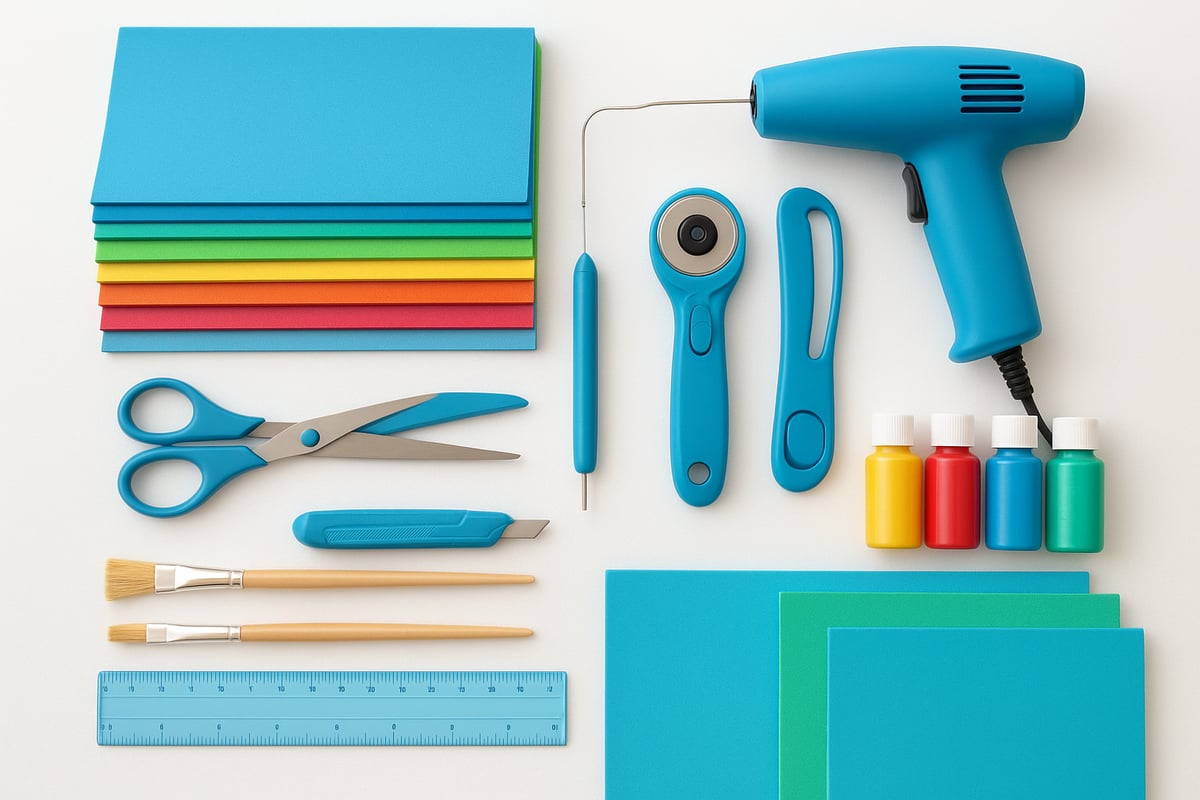
Selecting the proper cutting tools is the first step for any foam for craft project. Each tool serves a specific function depending on the foam type and project complexity.
Common Cutting Tools:
| Tool | Best Use | Precision | Safety |
|---|---|---|---|
| Scissors | Thin sheets, basic shapes | Medium | High |
| Utility Knife | Thick foam, straight lines | High | Moderate |
| Hot Wire Cutter | Smooth curves, intricate cuts | Very High | Moderate |
| Rotary Cutter | Long, straight cuts | High | High |
For shaping, heat guns are invaluable. They allow you to bend and form EVA foam, which is especially useful for creating seamless armor curves. Embossing tools and sandpaper help refine edges and add texture to your foam for craft pieces.
Adhesives for Foam for Craft
Adhesives play a crucial role in joining foam components. Not all glues are compatible with foam, so understanding their properties ensures strong, lasting bonds.
- Contact Cement: Offers a durable hold for larger pieces, ideal for costumes and props.
- Hot Glue: Fast and convenient for quick assembly, but may not suit high-stress joints.
- Spray Adhesive: Provides even coverage, perfect for layering thin foam for craft sheets.
Always test adhesives on a scrap piece to confirm compatibility and avoid melting or warping.
Painting, Finishing, and Detailing Tools
Finishing touches elevate your foam for craft projects. Acrylic paints are a top choice, offering vibrant color and flexibility. Foam-safe sprays and sealants protect surfaces and help paint adhere smoothly. Brushes of various sizes allow for both broad strokes and fine detail.
For those looking to expand their toolkit, specialized supplies like embossing tools and sculpting picks are available from dedicated craft retailers. Explore Flower Making Supplies for a curated selection of essential tools tailored to foam for craft.
Safety Gear and Workspace Setup
Working with foam for craft requires attention to safety. Use gloves to protect your hands during cutting and gluing. Masks and proper ventilation are essential when using adhesives or heat tools, as fumes can be harmful. Always work on a cutting mat to safeguard your workspace and tools.
Storage and Organization Tips
Keeping your foam for craft materials organized extends their lifespan and streamlines your process. Store foam sheets flat or in rolls to prevent creases. Use labeled bins for small tools and adhesives. Pegboards and drawer organizers can help maintain a tidy crafting area, ensuring that every tool is within reach when inspiration strikes.
With the right setup, crafting with foam for craft becomes efficient and enjoyable, setting the stage for creativity and precision in every project.
Creative Project Ideas: Foam Crafts for Every Skill Level
Explore the limitless possibilities of foam for craft projects, no matter your experience. With the right inspiration and techniques, you can create imaginative pieces for fun, décor, or even professional displays.
Foam for Beginners: Simple and Fun Projects
Getting started with foam for craft is both accessible and rewarding. Foam sheets and pre-cut shapes make it easy to dive into creative activities without complex tools.
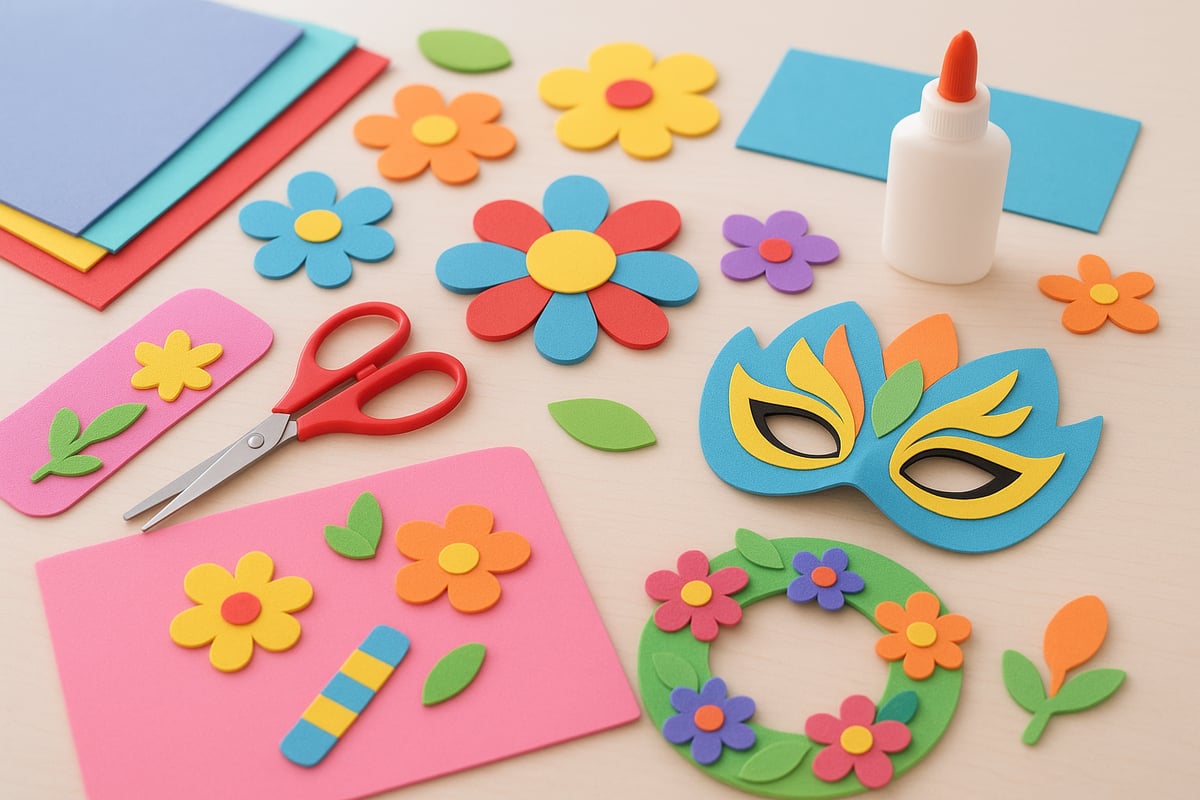
Try making bookmarks, keychains, or fridge magnets with foam for craft. These projects require only scissors, glue, and colorful foam pieces. For added fun, create foam flowers or simple animals by layering shapes and adding stick-on eyes or markers.
Engage children with safe, mess-free foam for craft activities. Foam stickers are perfect for personalizing greeting cards or decorating school supplies. Involving kids in these crafts supports fine motor skills and creativity.
Family crafting time has risen by 30% since 2020, with foam for craft materials ranking among the top choices for children's projects. The soft texture and vibrant colors appeal to all ages, making every session enjoyable.
Intermediate Foam Projects: Home Décor and Gifts
Once you are comfortable, expand your foam for craft skills to home décor and gift ideas. Design DIY coasters, wall art, or pinwheels using foam for craft, exploring a variety of shapes and color combinations.
Create personalized photo frames, seasonal ornaments, or faux succulents by combining foam for craft with other materials like felt, fabric, or beads. Mixed-media projects allow for more texture and dimension in your creations.
Foam wreaths are a popular choice for holidays and special occasions. Their lightweight and water-resistant properties make foam for craft ideal for bathroom or kitchen décor.
For project inspiration, browse the Inspiration Gallery for Foam Crafts to see a wide range of finished pieces and spark new ideas. Experiment with layering, embossing, or painting to add unique touches to each project.
Advanced Foam Creations: Props, Costumes, and Large-Scale Art
For expert makers, foam for craft offers the flexibility and durability needed for ambitious projects. Build cosplay armor, masks, or accessories using EVA or neoprene foam, taking advantage of their easy shaping and painting properties.
Architectural models, puppetry, and stage props also benefit from foam for craft due to its lightweight strength. Techniques such as layering, reinforcing, and joining foam pieces allow for complex structures. Use heat tools to form curves or add intricate details.
Life-size foam sculptures are increasingly popular for events and installations. Professional crafters and artists select foam for craft to achieve large, detailed works that remain easy to transport and display.
With foam for craft, the only limit is your imagination. Experiment with new methods, push boundaries, and showcase your skills through innovative, impressive pieces.
Step-by-Step Guide: Crafting with Foam Like a Pro
Mastering foam for craft projects means understanding each stage, from concept to flawless finish. Whether you are building intricate cosplay armor or simple home décor, these professional techniques will help you achieve stunning results. Below, we break down every step, making the process approachable for all skill levels.
Planning and Designing Your Foam Project
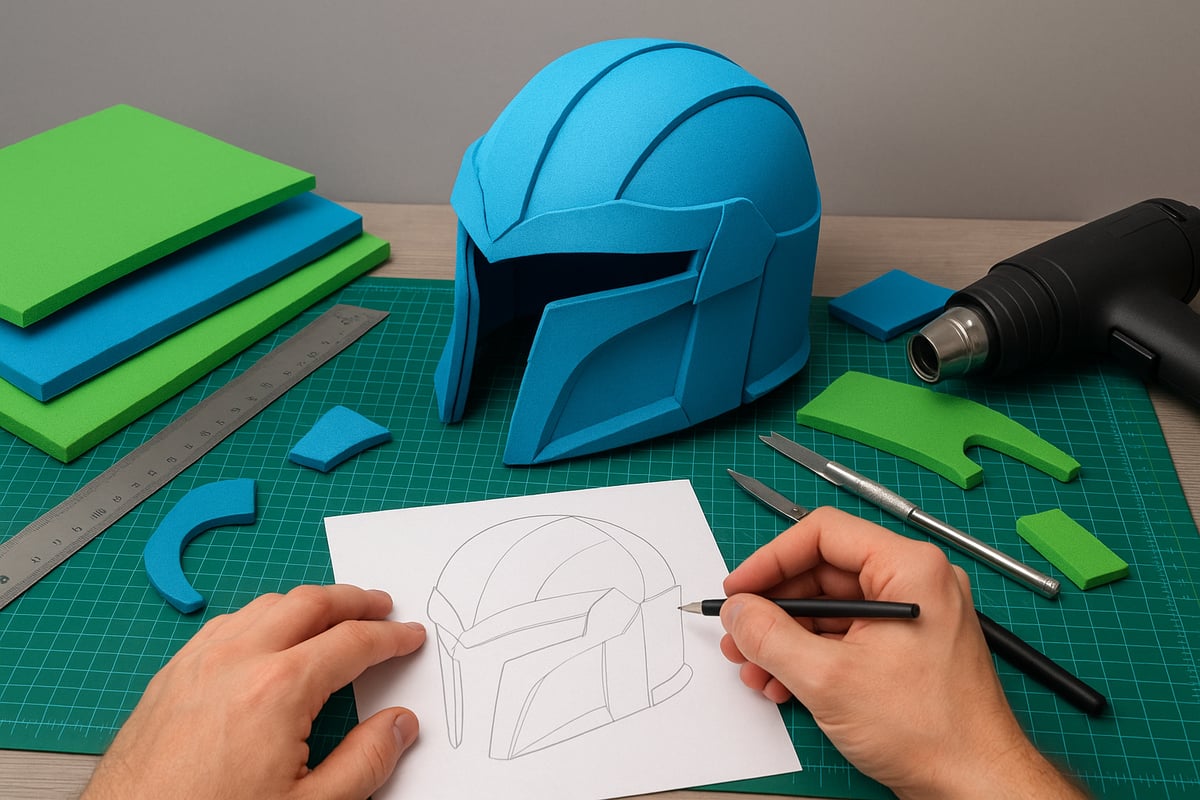
Every successful foam for craft project begins with thoughtful planning and design. Start by sketching your vision on paper, focusing on major shapes and essential details. If you are new to pattern-making, printable templates or digital mockups can greatly improve accuracy.
Carefully select foam thickness and density that match your project needs. For wearable pieces, lightweight and flexible foam works best. For structural props, opt for denser foam for craft applications. Create detailed templates, either by hand or digitally, and test with scrap foam before committing to final cuts.
Consider exploring DIY Giant Foam Flower Kits for inspiration and ready-to-use patterns. These kits simplify the design process and offer a practical starting point for both beginners and advanced crafters.
Example: To recreate a cosplay character’s helmet, break down the design into flat shapes, then transfer each to foam for craft accuracy. Double-check measurements before cutting.
Cutting, Shaping, and Assembling Foam
Precision is key when working with foam for craft. Use sharp scissors or utility knives for straight cuts, and employ rotary cutters for smooth curves. For complex details, a hot wire cutter can provide clean, intricate results.
Heat shaping is a game-changer. Gently warm foam for craft with a heat gun and form it over a mold or by hand. Hold the shape until cool for lasting curves. For best results, practice on scrap pieces to perfect your technique.
When gluing, choose adhesives that bond securely without melting the foam. Contact cement creates strong, flexible seams, while hot glue is ideal for quick fixes. Assemble layers or reinforce structures with internal supports, such as wooden dowels or wire.
Example project steps:
- Trace template onto foam for craft.
- Cut carefully along lines.
- Heat and shape as needed.
- Bond pieces with chosen adhesive.
- Reinforce where extra strength is required.
Detailing, Painting, and Finishing Techniques
Surface preparation is essential for a professional finish. Lightly sand foam for craft surfaces to remove imperfections. Apply a primer or sealant to create a smooth, paint-ready base and prevent paint absorption.
Choose your painting method based on the desired effect. Acrylics offer vibrant color and flexibility, while foam-safe spray paints deliver even coverage. For fine details or gradients, try an airbrush.
Embellishments elevate your foam for craft projects. Add fabric, gems, or metallic paint to mimic real materials. Use weathering techniques, like dry brushing or stippling, to create realistic armor or props.
Example: After sealing an EVA foam shield, apply metallic paints for a steel look, then use black wash in crevices for depth.
Troubleshooting Common Foam Craft Issues
Even experts encounter challenges with foam for craft. Warping can occur if heat is uneven or excessive. To fix, gently reheat and reshape. Bubbling or adhesive failure often results from using incompatible glues or insufficient pressure during bonding.
Paint cracks? Ensure foam for craft is fully primed and flexible paints are used. For rough edges, sand lightly and reseal before repainting.
Tips for smooth results:
- Use a sharp blade for every cut.
- Apply adhesives in thin, even layers.
- Allow paint and glue to cure fully before handling.
Example: Salvage a warped foam prop by reheating and gently pressing it back into shape.
Decorating and Personalizing Foam Crafts: Pro Tips for 2026
In 2026, decorating and personalizing foam for craft projects has become an exciting journey for crafters of every skill level. The demand for unique, eye-catching designs continues to rise, making it essential to stay ahead with the latest trends and techniques. With foam for craft offering endless creative possibilities, it is easier than ever to bring your vision to life.
Color palettes are taking center stage this year. Expect to see bold, saturated jewel tones, pastel gradients, and metallic finishes making waves in foam for craft circles. Watercolor effects and ombré transitions are also trending, allowing for subtle depth and sophistication on foam surfaces. When choosing finishes, consider eco-friendly options like Green Cell Foam®: biodegradable and water-soluble for projects that are both stylish and sustainable.
| Trend | Description | Best for |
|---|---|---|
| Metallics | Shimmering gold, silver, copper layers | Props, décor, gifts |
| Holographic Film | Iridescent and light-reactive surfaces | Modern accessories |
| Pastel Gradients | Soft, blended color transitions | Kids’ crafts, décor |
| Eco Finishes | Biodegradable, green materials | Sustainable crafts |
Innovative embellishments are redefining foam for craft. LEDs are being embedded for interactive lighting effects, making foam art and costumes stand out in dim environments. Holographic films add futuristic shine, while 3D printed accents create custom shapes and textures with precision. Combining these materials ensures your foam for craft projects are both modern and memorable.
Personalization remains a top priority. Incorporate monograms, initials, or custom patterns using digital transfers and vinyl cutting. Try these ideas for your next foam for craft project:
- Monogrammed wall art or bookmarks
- Custom patterned foam jewelry
- Digitally transferred photographs for keepsake frames
To add realistic textures, experiment with painting and finishing techniques that mimic wood grain, stone, or brushed metal. Use dry brushing, stippling, or sponging methods to achieve these effects. Sealing the surface before painting helps acrylics and specialty paints adhere smoothly, ensuring your foam for craft looks both authentic and professional.
Mixed media is another strong trend for 2026. Pair foam with fabrics, beads, or recycled elements for a unique tactile experience. Smart foam crafts are gaining popularity as well, with embedded electronics and sensors creating interactive displays or functional art pieces.
A recent 2025 survey found that over 60 percent of crafters are searching for new ways to personalize foam for craft creations. With so many techniques and materials available, the only limit is your imagination. Explore, experiment, and let your creativity lead the way to one-of-a-kind foam masterpieces.
Safety, Sustainability, and Eco-Friendly Foam Crafting
Foam for craft projects offers endless versatility, but safety should always come first. When cutting, gluing, or heating foam, ensure your workspace is well-ventilated. Some adhesives and paints can release fumes, so wear a mask and gloves where appropriate. Always use a cutting mat to protect surfaces and keep tools organized to avoid accidents. For family projects, select foam for craft that is labeled non-toxic and keep sharp objects out of children’s reach. These precautions create a safer, more enjoyable crafting environment for everyone.
Choosing sustainable materials is increasingly important for modern crafters. Today, innovative plant-based and biodegradable foams are making eco-friendly foam for craft more accessible than ever. For example, Eco-friendly biodegradable foam packaging like CompostaFoam is made from cornstarch, making it compostable and suitable for green crafting. Always look for foams that are certified non-toxic, especially for projects involving children. These choices help reduce environmental impact while keeping your creative process safe and healthy.
Proper disposal and recycling practices are essential when working with foam for craft. Many traditional foams are not biodegradable, so separate scraps for recycling where facilities exist. New options, such as Eco-friendly packaging: compostable and sustainable PaperFoam®, are both biobased and recyclable, offering crafters a way to minimize waste. Keep leftover foam pieces organized for reuse in smaller projects. By managing waste thoughtfully, you contribute to a cleaner crafting community and a healthier planet.
Sustainability is not just about what you buy, but also how you use materials. Upcycling foam off-cuts into mini projects, like keychains or mosaic art, maximizes the value of every piece of foam for craft. This approach reduces landfill waste and sparks creativity with leftover materials. As demand for sustainable craft supplies grows, more brands are introducing recycled and plant-based foams. Embracing these practices ensures your crafts are not only beautiful, but also environmentally responsible.
Future Trends and Innovations in Foam Crafting
The landscape of foam for craft is evolving rapidly, with exciting innovations set to redefine creative possibilities in 2026 and beyond. From cutting-edge materials to digital integration and global community collaboration, the future holds new opportunities for crafters who want to push the limits of their art.
Emerging Foam Materials and Technologies
Innovations in foam for craft materials are transforming what creators can achieve. In 2026, expect to see a surge in smart foams, which respond to touch, pressure, or temperature, opening new avenues for interactive projects. Self-healing foams are gaining traction, allowing crafters to repair small cuts and dents with simple heat or pressure application. Shape-memory foams are also entering the market, making it possible to create elements that return to a preset form after being bent or compressed.
Another significant trend is 3D printing with foam-based filaments. This technology allows for custom shapes and intricate designs, enabling both hobbyists and professionals to fabricate unique foam for craft elements with precision. Specialty foams, particularly EVA and neoprene, are expected to see an 8 percent compound annual growth rate in the craft market by 2026, according to industry reports.
Eco-conscious creators are seeking sustainable options, such as plant-based and biodegradable foams. Notably, mycelium-based foams are emerging as a sustainable packaging alternative and are now being adapted for craft use, providing a plastic-free, earth-friendly choice for artists who prioritize green materials.
| New Foam Technology | Key Benefit | Typical Craft Application |
|---|---|---|
| Smart foam | Interactive, responsive | Wearables, kinetic art |
| Self-healing foam | Durable, long-lasting | Props, kid's toys |
| Shape-memory foam | Retains programmed shapes | Models, cosplay accessories |
| Mycelium foam | Biodegradable, eco-friendly | Décor, sustainable projects |
The foam for craft industry is set to embrace these breakthroughs, giving artists more control, durability, and sustainability in their creations.
Digital Crafting: Foam and Technology Integration
Digital tools are revolutionizing the way crafters approach foam for craft projects. CNC cutting machines and laser etchers can slice foam with extreme accuracy, making complex patterns and repeatable designs far more accessible. These technologies streamline the process for both individual makers and small studios, reducing waste and improving efficiency.
Augmented reality (AR) and virtual reality (VR) are also entering the foam for craft space. With AR/VR, crafters can visualize their designs in 3D before cutting a single sheet, minimizing errors and saving materials. Digital templates and automated pattern generators allow for mass-customization, letting makers personalize everything from foam décor to cosplay armor without manual tracing or measuring.
Key digital tools for foam for craft include:
- CNC foam cutters for rapid prototyping
- Laser engraving for surface details
- AR/VR design software for virtual modeling
- 3D printers using foam-based or flexible filaments
By integrating these technologies, the foam for craft community is expanding what’s possible, making professional-quality results achievable for every skill level. The future will see more crafters using digital workflows to bring their visions to life with precision and flair.
Foam Crafting Communities and Learning Resources
The rise of online communities is fueling rapid innovation in foam for craft. Digital tutorials, virtual workshops, and online academies are making expert guidance accessible to anyone, anywhere. Social media platforms and inspiration boards are connecting creators worldwide, fostering a culture of sharing, collaboration, and friendly competition.
Global foam for craft challenges and competitions are becoming annual highlights, with artists showcasing their latest techniques and pushing the boundaries of design. These events often spark new trends, from advanced finishing methods to the integration of electronics and mixed media.
Top resources for foam for craft learning include:
- Video tutorials from professional crafters
- Interactive online courses with feedback
- Live-streamed build-alongs and Q&A sessions
- Community forums for troubleshooting and advice
As more makers join these networks, the collective knowledge and creativity of the foam for craft world will only continue to grow. Community-driven innovation, combined with the latest materials and digital tools, is ensuring a vibrant and inspiring future for foam-based crafts.
After exploring the endless possibilities of foam crafting techniques and creative trends for 2026, you might be inspired to take your projects to the next level. If you’re curious about how professionals are turning simple foam into breathtaking giant floral sculptures—or if you want insights on advanced materials, tools, and exclusive tips—there’s so much more to discover. I encourage you to see firsthand how EVA foam is being used to create unforgettable event décor and art. Want to know more about these flowers? Want to know more about these flowers?