

Foam Flowers Guide: Creative Tips for Stunning DIY Blooms 2026
Foam flowers are rapidly becoming the go-to choice for creative home décor, event styling, and thoughtful gifting in 2026. Their popularity is fueled by their versatility and the endless creative opportunities they offer for crafters of all skill levels.
Unlike traditional artificial blooms, foam flowers can be customized in color, size, and style, making them perfect for any occasion or personal aesthetic. Whether you want to design a bold centerpiece or a delicate bouquet, the possibilities are nearly limitless.
This comprehensive guide will walk you through every step of the process, from selecting materials and tools to mastering advanced techniques. You will also discover trending design ideas, essential care tips, and expert troubleshooting advice.
Looking for innovative ways to create professional-looking floral arrangements? Dive in and let this guide inspire your next foam flower masterpiece.
Understanding Foam Flowers: Materials, Benefits, and Trends
Foam flowers have become a central feature in modern crafting and décor, offering an adaptable and innovative alternative to traditional artificial flowers. As interest in creative DIY projects continues to rise in 2026, understanding what sets foam flowers apart is essential for both beginners and seasoned creators.
What Are Foam Flowers?
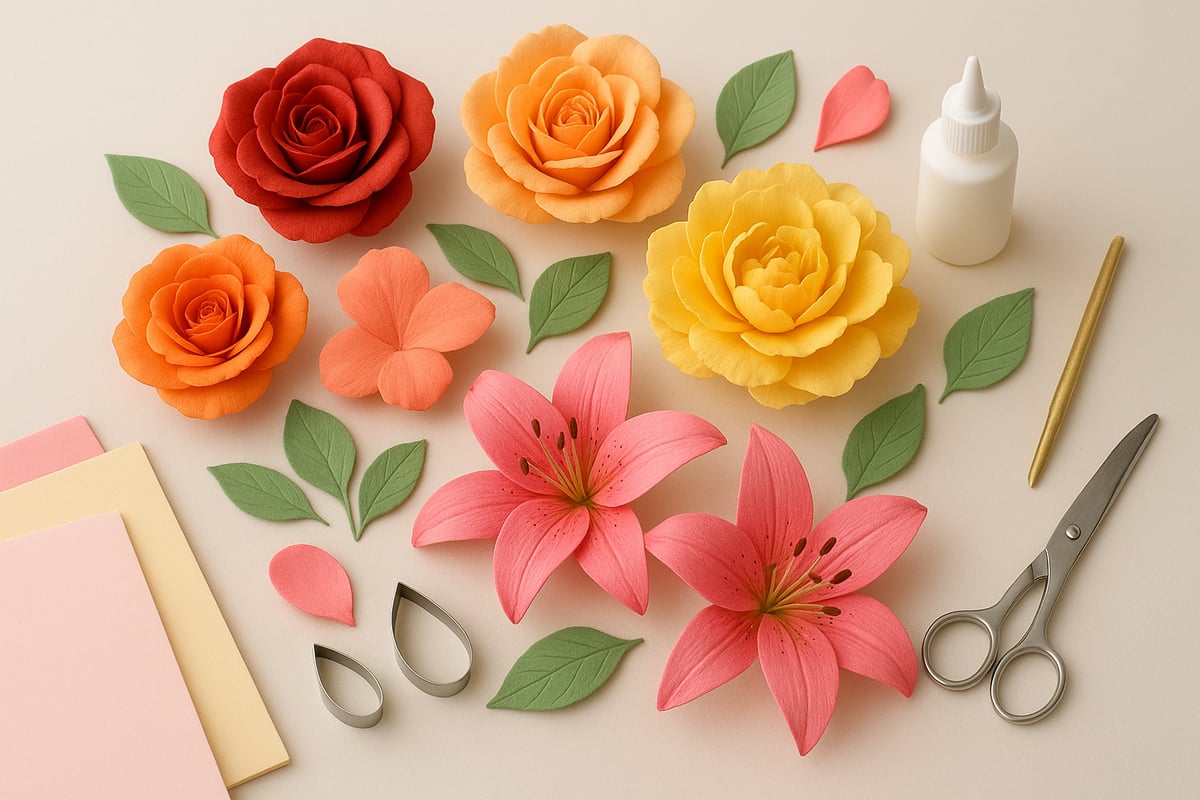
Foam flowers are meticulously crafted artificial blooms made from flexible foam materials. Unlike paper, silk, or plastic flowers, foam flowers use specific foams such as EVA (ethylene vinyl acetate), PE (polyethylene), or craft foam to achieve lifelike shapes and textures.
These foams are preferred for their soft feel and ability to hold intricate details. In 2026, foam flowers are especially popular among crafters and designers for their realism and versatility. Recent data shows a surge of interest in foam flowers for home décor and event installations, reflecting their growing influence in creative communities.
Key Benefits of Foam Flowers
Foam flowers stand out for their realistic appearance and endless customization options. Their lightweight and flexible nature makes them easy to use in diverse projects, from wall art to bouquets.
Unlike fresh or silk flowers, foam flowers are water-resistant and durable, ensuring arrangements last for years without fading or wilting. They are also hypoallergenic and safe for children, making them suitable for any space. Many brands now offer eco-friendly foam options, allowing creators to make beautiful arrangements with sustainability in mind.
Latest Trends in Foam Flower Design (2026)
Design trends for foam flowers in 2026 focus on bold colors, oversized blooms, and innovative mixed-media arrangements. Popular varieties include roses, peonies, lilies, and sunflowers, often combined in custom hybrids for unique effects.
Event designers are using foam flowers for dramatic backdrops, selfie stations, and immersive installations. Metallic paints, ombré gradients, and 3D textures are increasingly common. For comprehensive inspiration and data on emerging styles, see the Top Artificial Flower Trends for 2026, which highlights how foam flowers are reshaping event and home décor.
Essential Materials and Tools for DIY Foam Flowers
To craft foam flowers, gather EVA foam sheets in various thicknesses and colors. Use flower templates and petal cutters to achieve precise shapes. Heat tools like irons or heat guns help sculpt petals for realism.
Essential assembly supplies include craft glue, floral wire, and tape. Enhance designs with paints, brushes, and embellishments such as rhinestones or glitter. Always set up a clean, organized workspace and use safety equipment when working with heat or adhesives to ensure a smooth creative process.
Step-by-Step: Crafting Stunning Foam Flowers
Creating professional-quality foam flowers starts with careful preparation and organized materials. Follow these step-by-step instructions to transform basic foam sheets into breathtaking blooms that rival real flowers in beauty and versatility.
Preparing Your Workspace and Materials
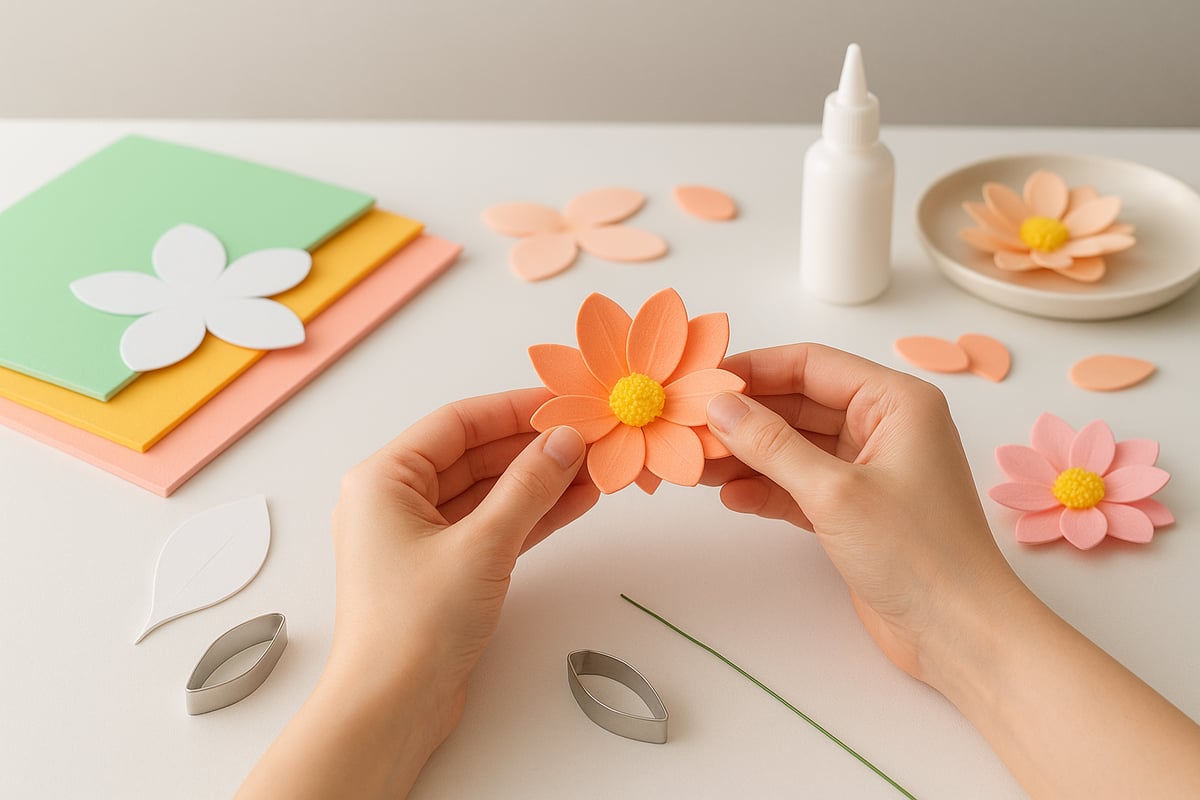
A clean, well-lit workspace is essential for crafting foam flowers. Arrange your tools within easy reach and lay out all materials before starting. Use a silicone mat or craft board to protect surfaces from heat or glue.
Safety comes first when working with heat tools and adhesives. Always use heat-resistant gloves and keep a bowl of water nearby for emergencies. Ventilate the area to avoid inhaling fumes from heated foam.
Keep foam sheets free from dust and static by wiping them with a microfiber cloth. For group workshops, organize stations with labeled supplies for efficiency.
For a seamless crafting experience, consider sourcing your essentials from the Flower Making Supplies Collection, which offers everything from foam sheets to specialized tools designed for foam flowers.
Choosing and Cutting Petal Templates
Selecting the right flower type sets the tone for your foam flowers project. Download or sketch petal templates to match the bloom you want to create, such as roses or peonies.
Trace templates onto foam sheets using a fine-tip marker for accuracy. Cut each petal carefully with sharp scissors or a craft knife, ensuring uniformity in shape and size.
For custom designs, adjust the template size or combine different petal shapes. Digital cutting machines like Cricut or Silhouette offer precision and speed, especially for bulk projects.
Organizing your cut petals in labeled trays helps streamline the assembly process and prevents mix-ups between flower types.
Shaping and Sculpting Petals
Shaping is where foam flowers come to life. Gently heat each foam petal with an iron or heat gun until it becomes pliable. Use your fingers or shaping tools to curl, cup, or fold the petals, mimicking the natural curves of real blooms.
For realistic veining, press a ball tool or textured mat onto the heated foam. Layering petals with subtle overlaps adds depth and dimension to your flower.
Practice is key to achieving lifelike results. For example, shaping rose petals with a ball tool creates soft, organic edges that elevate the overall look of your foam flowers.
Allow each petal to cool completely before moving to the next step to ensure the shape holds.
Assembling the Flower: Center, Petals, and Stem
Begin by constructing the flower center, such as a stamen or bud, using tightly rolled foam or a small foam ball. Attach the center to a floral wire stem with strong craft glue.
Arrange petals around the center in natural-looking layers, securing each with glue. Alternate petal placement to avoid uniformity and achieve a more organic appearance in your foam flowers.
Reinforce the stem with floral tape, wrapping tightly from the base of the bloom downward. For larger flowers like sunflowers, use thicker wire and double layers of tape for extra stability.
A sturdy stem ensures your finished flower stands upright in arrangements, bouquets, or installations.
Painting and Detailing for Realism
Painting adds depth and character to foam flowers. Apply a base coat of acrylic paint or foam-safe spray paint, then use a fine brush to add shading and highlights.
Experiment with metallics, glitter, or pearlescent finishes for a contemporary touch. Lightly brush the edges or center with a contrasting color for an ombré effect.
Incorporate subtle imperfections, like tiny specks or uneven tones, to mimic nature’s nuances. Blending colors with a sponge or soft brush can create seamless transitions and enhance realism.
Let each layer of paint dry thoroughly before handling or assembling further.
Final Assembly and Display Preparation
Once all parts are painted and dry, check each element for security. Re-glue any loose petals and inspect the overall structure of your foam flowers.
Attach leaves and additional greenery using floral tape or wire. Arrange multiple blooms together for bouquets, or prepare individual flowers for mounting on walls or frames.
For wall installations, use lightweight backing materials and removable adhesive hooks. Ensure each flower is firmly anchored to avoid shifting during display.
With thoughtful assembly and finishing touches, your foam flowers will be ready to impress in any setting, from home décor to special events.
Advanced Techniques and Creative Customizations
Explore the creative possibilities of foam flowers with these advanced techniques and customizations. Whether you aim to make a statement at an event or craft lifelike details for photography, these methods help you elevate your projects to a professional level.
Creating Oversized and Statement Blooms
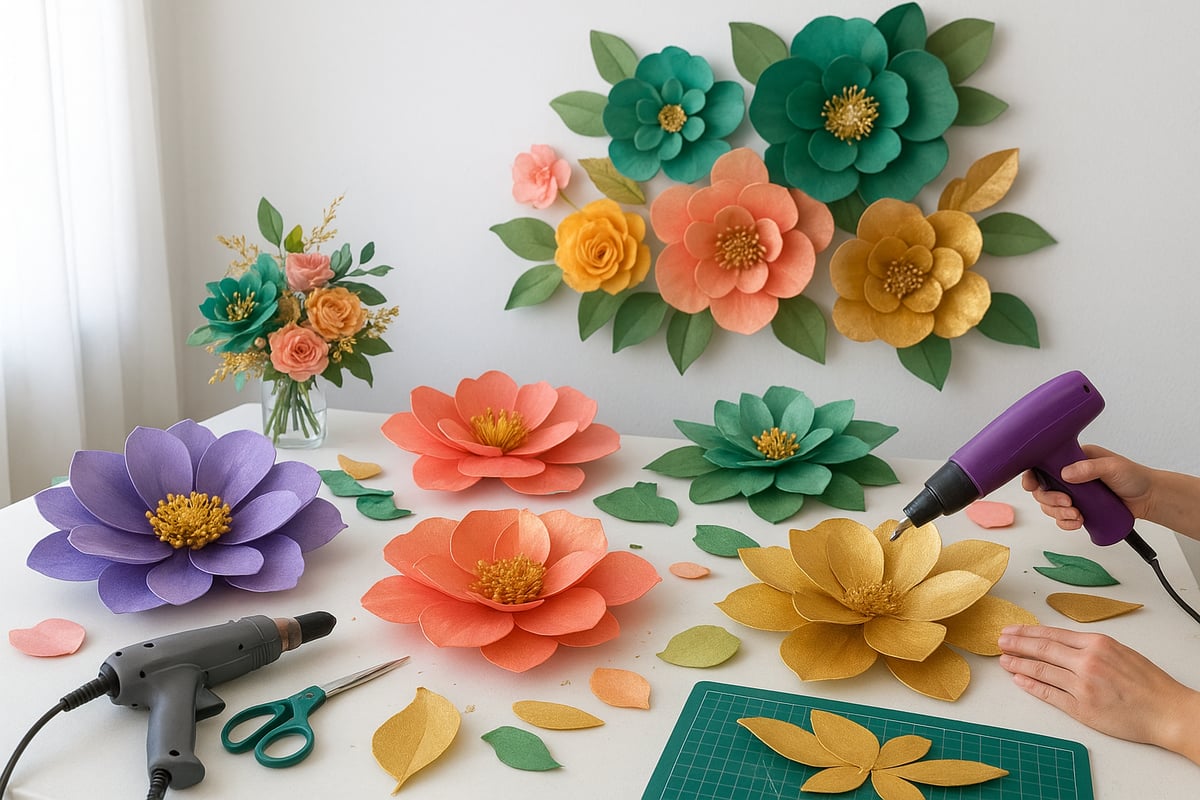
Oversized foam flowers make a dramatic impact for events, retail displays, or home décor. Start by enlarging your petal templates before transferring them onto thick EVA foam sheets. This ensures the blooms maintain structure without sagging.
Reinforce stems using sturdy floral wire or PVC rods, and wrap them in floral tape for a polished look. For large petals, gently heat and shape each piece before assembly to prevent creasing. Always allow petals to cool fully before handling further.
Transporting giant foam flowers requires care. Use soft packing materials between petals to avoid deformation. At your venue, anchor the stems securely to prevent tipping. Giant peonies or sunflowers are popular choices for entrance displays or photo backdrops, providing a whimsical and memorable touch.
Mixed-Media and Embellishment Ideas
Take your foam flowers to the next level by blending materials and adding decorative touches. Combine foam petals with silk leaves, paper accents, or even fabric to create texture and visual interest. This mixed-media approach allows endless customization and can mimic natural variations found in real blooms.
Embellish your foam flowers with rhinestones, pearl beads, or miniature LED lights for a touch of sparkle. Secure embellishments with a strong adhesive and ensure they are evenly spaced for a balanced appearance. Incorporate elements like dried foliage, twigs, or feathers to add a natural or seasonal flair.
A wedding bouquet featuring foam and silk hybrids can be both elegant and durable. Experiment with different finishes to match the event’s style, and remember that thoughtful embellishments can transform simple designs into showstopping centerpieces.
Achieving Hyper-Realistic Effects
If you want your foam flowers to look incredibly lifelike, advanced painting and sculpting techniques are essential. Start by studying reference photos to capture the unique shapes and color gradients of real petals.
Use airbrushing to achieve seamless color transitions and subtle highlights. Dry brushing and stippling add depth and texture, mimicking natural veins and edges. For extra realism, gently score the foam surface with a fine-tipped tool before painting.
Layer petals carefully and adjust their orientation to match natural growth patterns. Hyper-realistic foam flowers are ideal for photography props, film sets, or any setting where authenticity matters. With patience and practice, you can create blooms that rival the beauty of nature.
Themed and Seasonal Foam Flower Projects
Foam flowers are perfect for creating themed or seasonal décor. For holidays, craft arrangements using traditional palettes—think red and gold for Christmas, pastels for spring, or orange and black for Halloween. Incorporate themed embellishments like miniature ornaments, painted motifs, or holiday-specific foliage.
Design custom flowers for special occasions such as birthdays, baby showers, or themed parties. Use templates that reflect the event’s motif, and personalize petals with names or messages using paint or vinyl stickers.
A spring garland featuring pastel foam blooms can brighten any classroom or home. These projects not only showcase your creativity but also allow you to adapt your foam flowers for any season or celebration.
Foam Flower Wall and Backdrop Installations
Large-scale installations of foam flowers are trending for events, photo booths, and retail environments. Begin by designing your layout on paper, considering color balance, flower sizes, and layering for depth. Attach foam blooms to lightweight frames or directly to walls using removable adhesive, hooks, or wire grids.
To achieve a dynamic display, mix flower types and sizes, then stagger their placement for a natural effect. Ensure each flower is securely fastened, especially for high-traffic areas or outdoor setups.
For readers interested in practical solutions, explore Wall Foam Flower Kits for Events, which provide all necessary materials and instructions for assembling striking wall installations. With the right planning and technique, your foam flower backdrop will become a focal point at any event.
Trending Foam Flower Arrangement Ideas for 2026
Foam flowers are redefining creative expression in 2026, offering endless possibilities for décor, events, gifting, and more. Whether you prefer bold installations or subtle accents, the latest arrangement trends will inspire both beginners and seasoned crafters to push their artistry further.
Modern Home Décor Applications
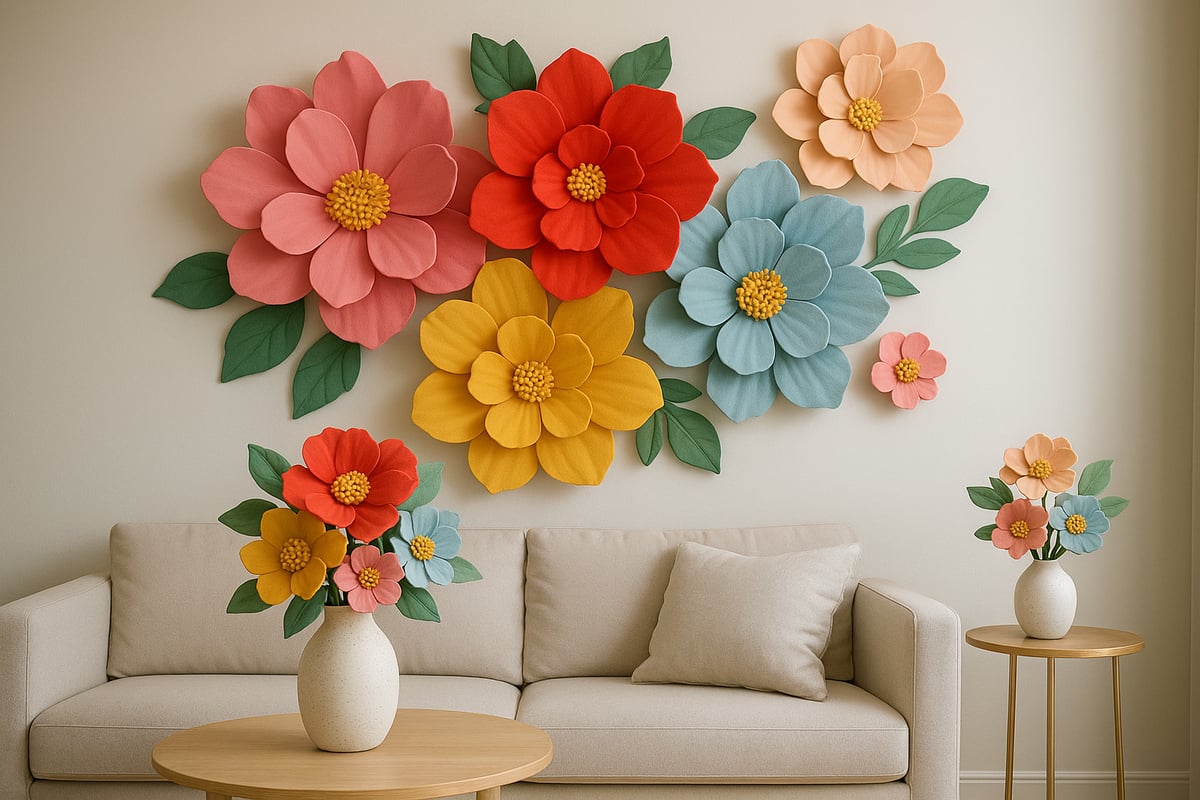
In 2026, foam flowers have become a staple in contemporary interiors. Designers are embracing minimalist arrangements that let sculptural blooms take center stage. Imagine a sleek vase filled with monochromatic foam flowers on a dining table, or a geometric wall art installation that adds texture and personality to living spaces.
Popular home décor ideas include:
- Statement wall art using oversized foam flowers
- Accent pieces for shelves, mantels, or entryways
- Mixed arrangements with artificial greenery in modern vases
For visual inspiration, explore the Inspiration Gallery of Foam Flowers to see how top creators are styling these arrangements in real homes.
Event and Wedding Design Inspiration
Foam flowers are revolutionizing event styling by delivering durability and wow-factor aesthetics. In weddings, they shine as bridal bouquets, boutonnieres, and corsages that can be perfectly color-matched to any palette. Ceremony arches and aisle markers crafted from foam flowers create memorable backdrops and photo opportunities.
Trending event uses include:
- Reception centerpieces with bold color blocking
- Ceiling installations for immersive floral canopies
- Custom arrangements for corporate branding or themes
Designers appreciate the flexibility that foam flowers offer, ensuring every detail aligns with the event vision.
Creative Gift and Packaging Uses
Gifting with foam flowers adds a personal, handcrafted touch that lasts well beyond the occasion. Artisans are creating unique bouquets, single-stem keepsakes, and even foam flower embellishments for gift boxes and wrapping.
Consider these popular gift ideas:
- Custom name-embellished foam roses for special milestones
- Miniature foam flower arrangements for birthdays or anniversaries
- Decorative toppers for luxury gift packaging
The versatility of foam flowers ensures every present feels thoughtful and one-of-a-kind.
Kid-Friendly and Educational Foam Flower Projects
Foam flowers are ideal for children’s crafts and classroom projects thanks to their safety and ease of use. Teachers are incorporating them into STEM and art lessons to illustrate plant anatomy, while parents enjoy simple DIY kits for rainy day activities.
Favorite kid-friendly projects include:
- Easy-to-assemble foam flower kits for group activities
- Colorful garlands for classroom décor
- Interactive lessons on flower structure using labeled foam parts
With foam flowers, learning and creativity go hand in hand, making education both fun and memorable.
Sustainable and Reusable Décor Solutions
Sustainability is at the forefront of 2026 design trends, and foam flowers are leading the way with eco-friendly options. Crafters are choosing recyclable or biodegradable foam materials for their projects, reducing environmental impact while maintaining beauty.
Sustainable arrangement ideas:
- Modular foam flower displays reused for multiple seasons
- Swappable stems and blooms for year-round décor updates
- Long-lasting installations that minimize waste
By opting for sustainable foam flowers, decorators can enjoy style and responsibility in equal measure.
Care, Maintenance, and Troubleshooting for Foam Flowers
Caring for your foam flowers ensures they stay vibrant and beautiful for years. With proper maintenance, these blooms can outlast many other artificial options. This section covers proven methods for cleaning, repairing, preventing common mistakes, and displaying foam flowers safely in any setting.
Cleaning and Preserving Foam Flowers
Foam flowers are easy to maintain, but keeping them dust-free is essential for their longevity. Use a soft brush or compressed air to gently remove dust from petals and leaves. For stubborn spots, lightly dampen a cloth and blot the area, taking care not to saturate the foam.
Protect foam flowers from direct sunlight to prevent fading. Store them in a cool, dry place, ideally in a container that shields them from crushing. When considering eco-friendly care, review Sustainable Alternatives to Floral Foam for tips on responsible storage and display. With these habits, your foam flowers will look fresh and vibrant year-round.
Repairing and Refreshing Blooms
Even with careful handling, foam flowers may occasionally need repairs. If a petal or stem detaches, reattach it using a small amount of craft glue. Gently press the piece back in place and allow it to dry completely. For paint touch-ups, use a fine brush to blend colors seamlessly with the original finish.
If a flower looks worn, consider replacing individual petals or leaves rather than discarding the whole piece. This approach keeps your foam flowers looking their best and extends their lifespan. Quick fixes help preserve arrangements for future events and special occasions.
Preventing Common DIY Mistakes
Working with foam flowers requires some practice, but many common mistakes are easy to avoid. To prevent overheating, use heat tools on the lowest setting and move them constantly over the foam. This reduces the risk of melting or warping petals.
Avoid glue stains by applying adhesive sparingly and letting it set before handling. For uniform petals, use templates and sharp cutters, ensuring clean, even edges. If your foam flowers become floppy or misshapen, reinforce them with additional floral wire. Troubleshooting small issues early ensures professional results every time.
Safe Handling and Display Tips
Proper handling keeps foam flowers looking their best and protects your investment. When moving arrangements, hold them by the base or stem, not by petals or leaves. Use secure mounting methods, such as floral tape or wire, to anchor large blooms for wall or event displays.
If children or pets are present, place foam flowers out of reach to avoid accidental damage. For outdoor installations, secure arrangements against wind and moisture by using heavy bases or weather-resistant containers. With these precautions, your foam flowers will remain a stunning highlight in any environment.
Now that you’ve seen how foam flowers can transform a space and discovered practical tips for making your own stunning blooms, maybe you’re curious about what’s possible beyond your craft table. Whether you want to elevate your next event with breathtaking installations or explore professional tools and materials for your DIY projects, there’s a world of inspiration and expertise waiting for you. If you’re eager to learn more about these remarkable, larger than life flowers—and how they can make your décor or gathering truly unforgettable—take a look here:
Want to know more about these flowers?