

Comprehensive Guide to EVA Foam Sheets for Crafts 2026
Craft innovation is booming in 2026, and eva foam sheets are at the heart of this creative revolution. Whether you are a hobbyist or a professional, understanding this versatile material can transform your projects. This comprehensive guide will break down what eva foam sheets are, highlight their unique properties, and provide practical advice on selection, creative uses, cutting, shaping, and finishing methods. Unlock the full potential of eva foam sheets with expert tips, inspiring ideas, and the latest trends to elevate your craft skills this year.
What Are EVA Foam Sheets?
EVA foam sheets are a staple in the world of creative materials, known for their versatility and adaptability. Whether you are a hobbyist or a professional, understanding what makes these sheets unique is key to unlocking their full potential in crafts and beyond.
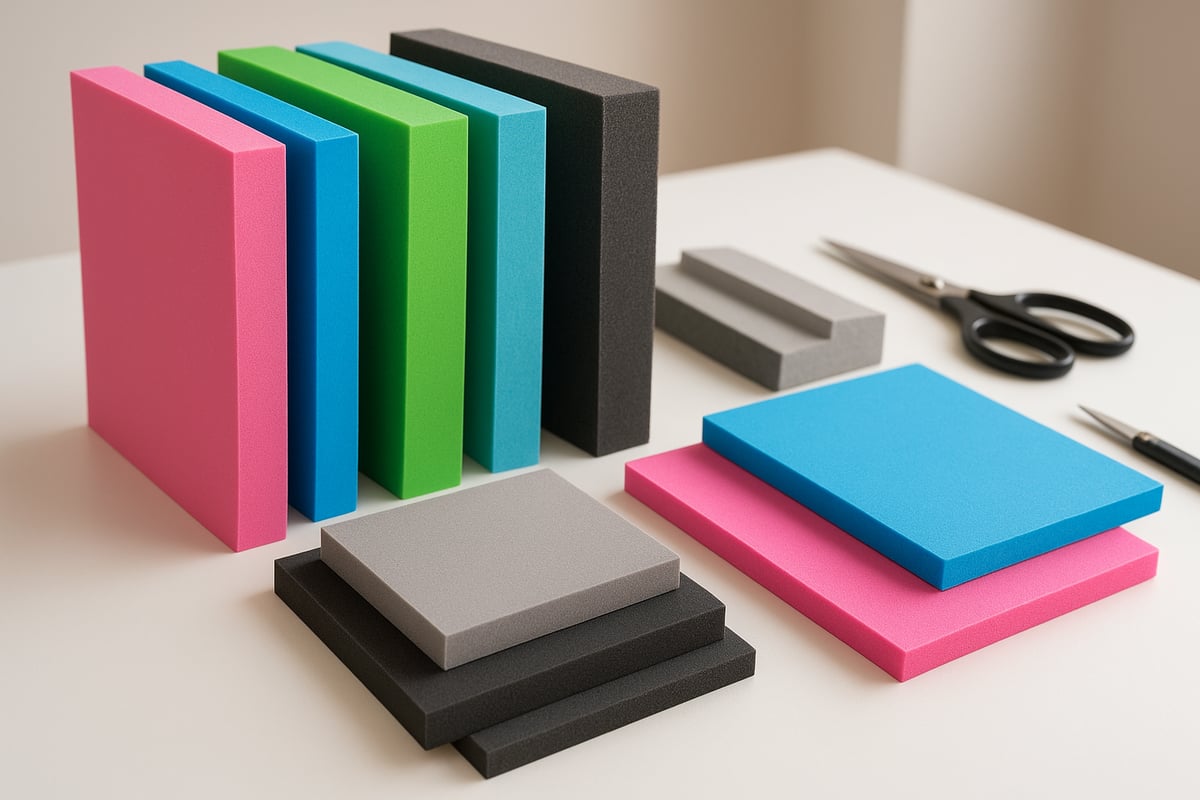
Definition and Material Composition
EVA foam sheets are made from ethylene vinyl acetate, a copolymer that blends the flexibility of rubber with the strength of plastic. During manufacturing, EVA is expanded and processed into sheets, creating a uniform closed-cell structure. This structure gives the material its signature softness and resilience.
Compared to other craft foams like polyethylene (PE) or polyurethane (PU), EVA foam sheets offer a unique semi-rigid feel. The elasticity and shock-absorbing qualities set them apart, making them a top choice for both intricate craft projects and demanding industrial uses. For example, EVA foam sheets are used in model making, cosplay armor, and even protective gear.
Key Properties and Benefits
One reason EVA foam sheets are so popular is their impressive list of properties. They are lightweight, making them easy to handle and transport. The flexibility allows for creative shaping, while durability ensures projects last. Water resistance and UV stability add to their appeal, especially for items exposed to sunlight or moisture.
The smooth surface on both sides makes EVA foam sheets simple to cut and shape, whether using scissors or precision blades. Furthermore, these sheets are non-toxic and safe for all ages, a feature highlighted in many product descriptions. To explore the science behind these features, see EVA Foam Material Properties Explained in Detail.
For both children’s crafts and adult projects, EVA foam sheets provide a reliable, safe, and adaptable crafting foundation.
Standard Sizes, Thicknesses, and Colors
EVA foam sheets are available in a wide range of sizes to suit any project. Common dimensions include 39 x 39 inches, large rolls for big builds, and custom-cut options for detailed work. Thickness can vary from ultra-thin 1mm sheets to sturdy 10mm or more, giving crafters control over flexibility and structure.
Color selection is another key advantage. EVA foam sheets come in virtually every hue, from classic black and white to vibrant neons and pastels. Specialty finishes, such as glitter or metallic, are on trend for 2026, allowing for eye-catching, custom effects. This versatility in size and color helps makers achieve precise results for any vision.
Applications Beyond Crafts
The uses for EVA foam sheets extend far beyond traditional arts and crafts. In footwear, they provide cushioning for insoles and outsoles. Sports equipment manufacturers rely on EVA foam sheets for padding and protection. Packaging designers choose them for shock absorption and lightweight support.
Cosplayers turn EVA foam sheets into realistic armor and props, while event decorators craft giant foam flowers and dramatic installations. The material’s cross-industry adoption continues to fuel innovation, making EVA foam sheets a driving force in both creative and practical fields. Whether you are building a costume, a sculpture, or a protective case, EVA foam sheets offer the performance and adaptability needed for success.
How to Choose the Right EVA Foam Sheets for Your Project
Selecting the perfect eva foam sheets for your craft or professional project requires a thoughtful approach. With so many options available in 2026, understanding the essential criteria will ensure your creations are both beautiful and durable.
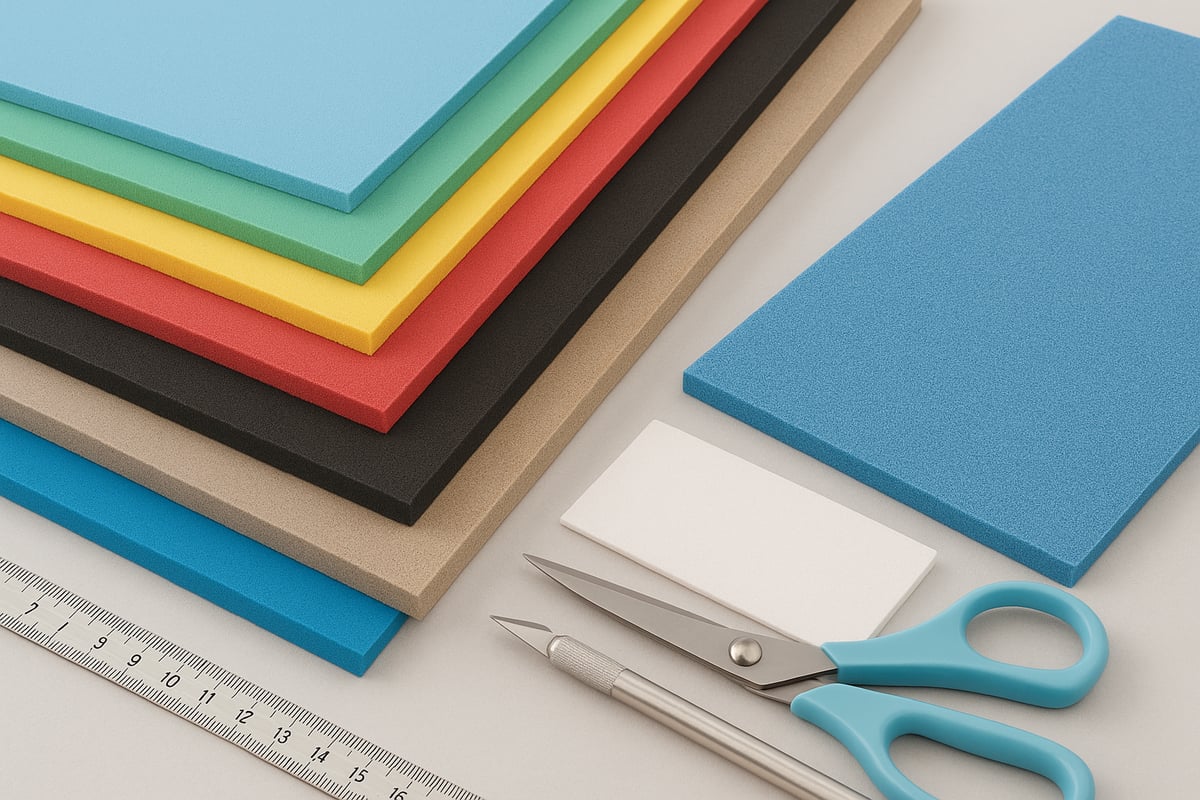
Assessing Project Requirements
Before you purchase eva foam sheets, define your project's purpose. Is it decorative, structural, wearable, or functional? Each application benefits from specific foam characteristics. For example, lightweight, low-density foam works well for delicate flower petals, while high-density foam is essential for armor or props requiring structural strength.
Ask yourself:
- Will the finished piece endure regular handling?
- Does it need to be flexible or rigid?
- Is comfort important (e.g., for wearable items)?
Matching your eva foam sheets to your intent sets the foundation for a successful outcome.
Understanding Density and Hardness Ratings
The performance of eva foam sheets is determined by density (measured in kg/m³) and hardness (usually rated on the Shore C scale). Higher density and hardness provide more support for structural or load-bearing elements, while lower values enhance flexibility for intricate designs.
| Application | Density (kg/m³) | Hardness (Shore C) |
|---|---|---|
| Armor/Props | 90–120 | 50–75 |
| Flowers/Decor | 30–60 | 20–40 |
| Insoles/Padding | 60–100 | 35–60 |
Choose eva foam sheets with ratings that complement your project's needs for both flexibility and finish.
Selecting Size and Thickness
The size and thickness of eva foam sheets influence project scale, detail work, and material efficiency. Standard sheets range from 39" x 39" to larger rolls, and thicknesses typically span 1mm to 10mm or more. For fine details such as intricate flower petals, 1–2mm sheets are ideal. For structural parts or armor, opt for 5mm and above.
Consider your design's dimensions and aim to minimize waste by selecting sheet sizes that closely match your pattern layouts.
Color and Finish Options
Color and surface finish are vital for aesthetics and creative expression. Eva foam sheets are available in a spectrum of colors, including classic, pastel, and specialty finishes like glitter or metallic. For projects where visual impact is a priority, such as event décor or children’s crafts, vibrant hues stand out.
If you plan to paint or treat the surface, select sheets with a smooth finish for best results. For a wide array of color choices, Large foam craft sheets in 16 colors offer versatility for every creative vision.
Safety and Age Appropriateness
Safety is paramount, especially for children’s projects. Look for eva foam sheets that are non-toxic and certified safe for ages three and up. Always supervise younger users and store sharp tools securely. When heat shaping, ensure adequate ventilation and use protective gloves to prevent burns.
Read product labels and manufacturer recommendations to confirm suitability for your intended audience.
Budget and Sourcing Tips
Cost can vary based on thickness, size, and finish. Standard eva foam sheets are generally affordable, while specialty types (glitter, metallic, extra-large) may cost more. To maximize value:
- Compare prices per square foot or meter
- Buy in bulk for large projects
- Check local craft stores and reputable online suppliers
- Watch for seasonal sales
Balancing quality and price ensures you get the best materials within your budget.
Environmental Considerations
Eco-conscious crafters should seek eva foam sheets made from recycled or biodegradable materials. In 2026, many brands have adopted sustainable manufacturing practices. Check for recyclability claims or environmental certifications. Reducing offcuts and repurposing scraps can also minimize waste.
By choosing environmentally friendly eva foam sheets, you support responsible crafting and contribute to a greener future.
Essential Tools and Supplies for Working with EVA Foam
Selecting the right tools and supplies is essential for mastering eva foam sheets in craft projects. Whether you are a beginner or an expert, your toolkit determines the ease and quality of your results. Each tool has a specific role in shaping, assembling, and finishing your creations.
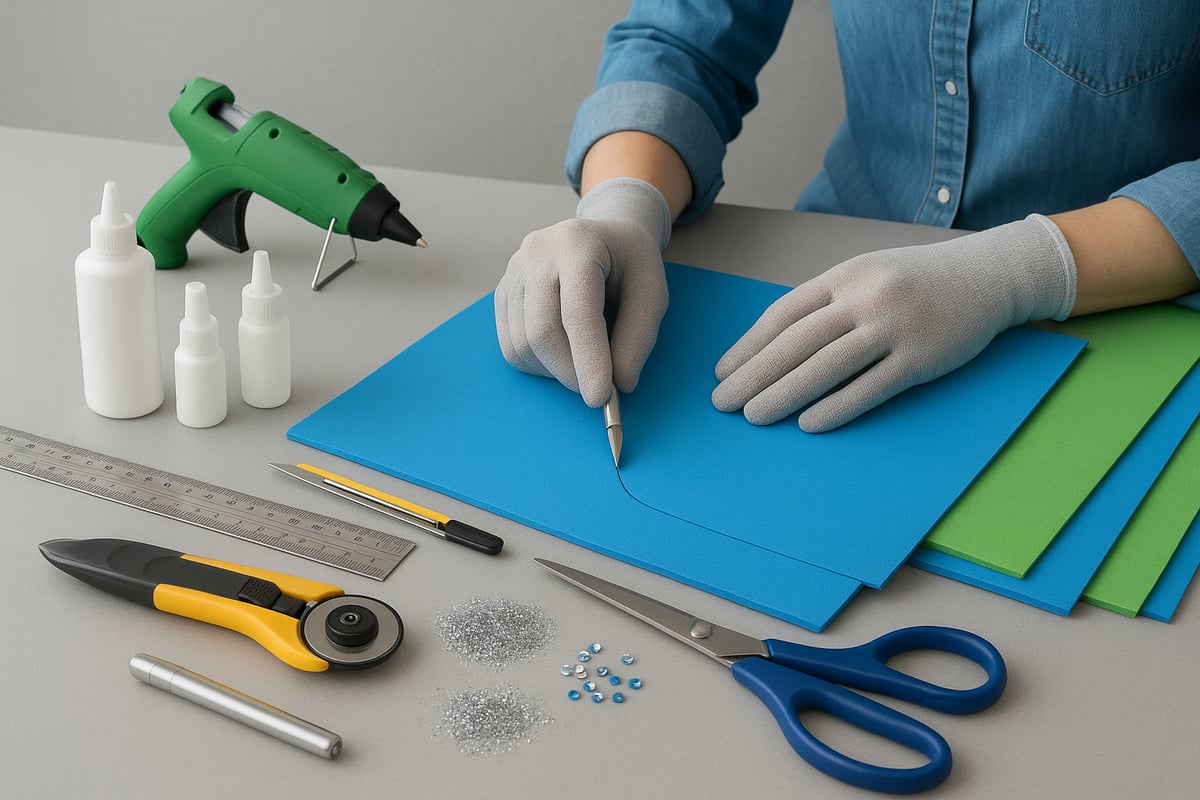
Cutting and Shaping Tools
Precision cutting is the foundation of working with eva foam sheets. A sharp craft knife is indispensable for straight lines and intricate details, while heavy-duty scissors are ideal for quick trimming. Rotary cutters excel at long, smooth cuts, especially on larger sheets.
For thicker eva foam sheets, a hot wire cutter or heated blade creates smooth, sealed edges. Always use a cutting mat to protect your workspace and ensure clean cuts. Safety is crucial: work slowly, keep blades sharp, and use finger guards when possible.
If you are working on cosplay or prop making, consider exploring EVA foam for cosplay rolls to ensure compatibility with your cutting tools and project needs.
Adhesives and Fasteners
To assemble eva foam sheets, choose adhesives with strong, flexible bonds. Contact cement is a favorite for permanent joins, as it dries quickly and remains flexible. Hot glue is convenient for quick fixes and layering, while specialty foam glues offer clean bonds without melting the material.
For structural projects or wearable pieces, mechanical fasteners such as rivets or Velcro strips can add durability. Always test adhesives on a scrap piece to check for compatibility and drying time. Proper gluing ensures strong, seamless construction.
Surface Treatment Supplies
Finishing eva foam sheets requires the right surface treatments. Primers like white glue or specialty foam primers create a smooth base for painting and prevent paint absorption. Acrylic paints are popular for their vibrant colors and flexibility, while spray paints offer even coverage on large surfaces.
For effects like metallic or pearlescent finishes, use specialty paints and sealers. Sealing your painted eva foam sheets with a clear coat enhances durability and protects against moisture. Experiment with different primers and paints to achieve the finish you envision.
Heat Shaping Equipment
Heat shaping transforms flat eva foam sheets into dynamic, curved forms. A heat gun is the tool of choice for bending, folding, and forming foam. For smaller adjustments, a household iron on low can help set gentle curves.
Always work in a well-ventilated space and use gloves to protect your hands from heat. Practice shaping on scraps before moving to your main project. Heat shaping opens new possibilities for dimensional crafting.
Measuring and Pattern-Making Tools
Accurate measurement is vital when working with eva foam sheets. Use metal rulers for straight lines, flexible tape measures for curves, and clear templates for repeating shapes. Pattern transfer tools, such as tracing paper or graphite pencils, help you replicate designs precisely.
Scaling your patterns correctly saves material and ensures a professional fit. Stencils are excellent for producing multiple identical shapes, especially in large installations or batch projects.
Decorative Embellishments
Enhance your eva foam sheets with creative embellishments. Glitter, fabric overlays, rhinestones, and beads add texture and visual appeal. Use strong adhesives formulated for foam to secure these materials without damage.
For event décor or statement pieces, experiment with layering embellishments or combining foam with other media. Decorative touches make your craft projects unique and memorable.
Step-by-Step Guide: Cutting, Shaping, and Assembling EVA Foam Crafts
Crafting with eva foam sheets unlocks endless possibilities for both beginners and advanced makers. Whether you are building costume armor, giant flowers, or decorative accents, following a precise process ensures professional results.
Step 1: Planning and Pattern Creation
Start by envisioning your project and gathering reference images for inspiration. Sketch your design on paper or digitally, then break it down into individual parts for easier assembly. Creating accurate templates is crucial for ensuring each component fits together seamlessly.
Use sturdy cardstock or printable sheets for your patterns. For repeated shapes, like petals or armor segments, stencils save time and improve consistency. Scale your patterns to match your intended project size.
Many crafters find it helpful to use downloadable templates or kits for complex projects. For example, the DIY giant rose foam flower kit provides pre-sized templates and premium eva foam sheets, streamlining the planning process for impressive results.
Step 2: Cutting the Foam
Transfer your templates onto eva foam sheets using a pencil or washable marker. Secure the pattern with masking tape if needed to prevent shifting during tracing. Carefully outline each shape, keeping lines clear and accurate.
Select the right cutting tool for the foam thickness. For thin sheets, sharp scissors work well. For thicker eva foam sheets, a craft knife or rotary cutter provides clean, straight edges. Always use a cutting mat to protect your workspace and achieve precise cuts.
Cut slowly and apply steady pressure, especially around curves and intricate details. For large or repetitive shapes, consider cutting multiple layers at once to save time. Always supervise young crafters when using sharp tools.
Step 3: Shaping and Forming
To add dimension, eva foam sheets can be shaped using heat. A heat gun is the most common tool, allowing you to gently warm the foam until it becomes flexible. Once pliable, mold the foam over a rounded surface or form with your hands.
Quickly hold the shape in place until the foam cools and retains its new form. This method is ideal for creating curves, folds, or organic shapes like flower petals and costume armor. For fine details, use the edge of a table or a curved object as a mold.
Test your shaping technique on a scrap piece first to perfect your timing and avoid overheating, which can damage the foam. Practice makes it easier to create professional-looking, three-dimensional components from eva foam sheets.
Step 4: Assembling Components
After shaping, it's time to assemble the parts. Dry fit all pieces before gluing to ensure proper alignment. For most eva foam sheets, contact cement or hot glue provides the strongest bond. Apply adhesive evenly along the edges, press pieces together, and hold until set.
Layering foam adds depth and structural strength. For large or heavy projects, reinforce seams with additional strips of foam or fabric tape on the reverse side. Mechanical fasteners, such as brads or rivets, can also be used for extra durability in wearable items.
Keep your workspace organized to avoid mixing up similar-looking pieces. Assemble in stages, allowing glue to fully cure before moving on to the next section of your project.
Step 5: Surface Finishing
Smooth any rough edges or seams on your eva foam sheets using fine-grit sandpaper. Wipe away dust before priming. Primers such as flexible foam sealers or white glue create a uniform surface for painting and prevent paint absorption.
Choose paint types compatible with eva foam sheets, such as acrylics or spray paints. Multiple thin coats produce the best coverage and minimize drips. Specialty finishes like metallic or pearlescent sprays can transform the appearance for cosplay or event décor.
Seal your finished project with a clear, flexible topcoat to enhance durability and protect against moisture or UV exposure. Allow each layer to dry fully before handling your creation.
Step 6: Adding Details and Embellishments
Personalize your eva foam sheets crafts with decorative accents. Attach fabric, glitter, rhinestones, or beads for extra flair. Use strong adhesives designed for foam to ensure embellishments stay in place.
For mixed media projects, integrate wire, felt, or lightweight plastics to achieve unique textures and effects. Creating lifelike details, such as stamens for giant flowers or weathering for armor, elevates the realism and visual interest of your work.
Test embellishment techniques on scraps before applying to your main project. This ensures compatibility and prevents accidental damage to finished surfaces.
Step 7: Final Assembly and Display
Mount your completed eva foam sheets creation for display, wear, or transport. For wall décor, use lightweight hooks or adhesive strips. Wearable items may require adjustable straps or padding for comfort.
Store your crafts in a dry, cool area to prevent warping or fading. For large installations, disassemble components if possible for safe transport and reassembly at your event or venue.
Prepare your piece for photography or presentation by gently cleaning surfaces and checking for loose edges. With proper care, your eva foam sheets project will remain vibrant and durable, ready to impress and inspire.
Creative Project Ideas and Inspiration for 2026
EVA foam sheets are at the forefront of creative innovation in 2026, inspiring a wave of imaginative projects across industries. Crafters, educators, and event planners are leveraging the versatility of EVA foam sheets to create everything from wearable art to immersive installations. The wide range of colors, finishes, and thicknesses makes EVA foam sheets a foundation for both beginner and advanced projects.
Trending EVA Foam Crafts
The popularity of EVA foam sheets in 2026 is driven by several creative trends. Cosplay armor, giant floral sculptures, and custom home décor are among the year's most sought-after projects. Event professionals are using specialty finishes like metallic and glitter to make installations stand out, while educators favor EVA foam sheets for safe, hands-on classroom activities.
- Cosplay props and armor
- Oversized foam flowers for events
- Kids’ educational crafts
- Modern wall art and organizers
Specialty finishes are especially in demand. For inspiration, explore glitter foam sheets for crafts, which provide bold color and sparkle for show-stopping designs.
EVA Foam in Cosplay and Costume Design
EVA foam sheets have revolutionized cosplay, making it easier to build lightweight, durable, and visually stunning costumes. Crafters use foam for everything from detailed armor to intricate accessories. The flexibility of EVA foam sheets allows for heat shaping, layering, and painting, resulting in professional-quality pieces.
A typical process involves patterning the design, cutting components, heat-forming for shape, and sealing before painting. This approach helps cosplayers achieve realistic finishes while keeping costumes comfortable and wearable for hours.
Giant Flower Sculptures and Event Décor
Giant flower sculptures crafted from EVA foam sheets are a hallmark of modern event décor in 2026. Their lightweight nature allows for large-scale installations that are easy to transport and assemble. These flowers serve as eye-catching backdrops, arches, and selfie stations at weddings, galas, and corporate events.
Designers often utilize specialty finishes, layering techniques, and custom color palettes to match event themes. The adaptability of EVA foam sheets means even intricate petal shapes and lifelike textures are possible, elevating event experiences for guests.
Educational and Children’s Crafts
EVA foam sheets are a favorite in educational settings due to their non-toxic, flexible, and easy-to-handle properties. Teachers and parents use them for a variety of safe, engaging projects, from classroom decorations to DIY ornaments and puzzles. The broad color selection encourages creativity and hands-on learning.
Simple projects like animal masks, holiday decorations, and learning aids help children develop motor skills and express their creativity. EVA foam sheets are recommended for ages 3 and up, making them suitable for a wide range of school and family activities.
Home Décor and Functional Art
Home décor enthusiasts use EVA foam sheets to craft custom wall art, organizers, and storage bins. The foam’s smooth surface takes paint and embellishments well, allowing for endless personalization. Popular projects include foam wall flowers, geometric art panels, and decorative storage solutions.
EVA foam sheets are also used for functional items like drawer liners or custom bulletin boards. Their durability and water resistance make them practical choices for both decorative and everyday applications in the home.
Mixed Media and Advanced Techniques
Advanced crafters combine EVA foam sheets with materials like fabric, LEDs, and wire to create unique effects. Techniques such as layering, texturing, and embedding interactive elements open new creative possibilities. For more innovative uses, see Creative Uses of EVA Foam in DIY & Prototyping for inspiration on pushing the boundaries of design.
Inspiration from the Community
Online craft communities are sharing thousands of EVA foam sheets projects, from elaborate cosplay builds to collaborative art installations. Social media trends highlight the most-shared designs, offering endless ideas for both beginners and experts. Many creators post tutorials, fostering a culture of learning and innovation.
Amazing Giant Flowers: The Pinnacle of EVA Foam Artistry
Amazing Giant Flowers has set a new standard for EVA foam sheets artistry. Their massive floral sculptures, crafted from high-end foam and painted for realism, have transformed event décor worldwide. Event planners benefit from lightweight, guest-safe installations that drive engagement and social buzz.
The company also empowers hobbyists by offering premium EVA foam sheets, molds, and tools. With their expertise and products, crafters can achieve professional results and bring their most ambitious ideas to life.
Advanced Tips, Techniques, and Trends in EVA Foam Crafting for 2026
Mastering eva foam sheets in 2026 means staying ahead with the latest methods, finishes, and industry insights. Crafters and professionals alike are pushing boundaries with new tools, eco-friendly materials, and community-driven learning. Explore the most significant advancements below.
Innovative Shaping and Construction Methods
Creators now use 3D sculpting, layering, and intricate texturing to achieve lifelike forms with eva foam sheets. Digital tools, such as laser cutters and CNC machines, are revolutionizing precision for complex designs. These methods allow for multi-layered petals, articulated costume pieces, and robust structures.
For those interested in the engineering potential of eva foam sheets, recent research like The Out-Of-Plane Compression Behavior of In Situ Ethylene Vinyl Acetate (EVA)-Foam-Filled Aluminum Honeycomb Sandwich Structures showcases how foam performs in composite builds, inspiring new approaches in both art and industry.
Surface Finishing and Special Effects
Achieving professional results with eva foam sheets now relies on advanced surface treatments. Techniques include airbrushing, dry brushing, and multi-layered painting for metallic, iridescent, or translucent effects. Weather-resistant coatings protect outdoor installations, while specialty primers ensure smooth, durable finishes.
Artists often combine sealing and sanding for seamless edges, making their projects stand out in both realism and longevity. Experimenting with effects brings a new dimension to cosplay, event décor, and functional art.
Integrating Technology and Interactivity
A major trend for 2026 is embedding technology into eva foam sheets creations. LEDs, motion sensors, and even sound modules are added to costumes, props, and décor. This results in interactive displays, light-up accessories, and animated event installations.
Crafters use simple circuits or programmable boards to control lighting sequences, making every project more dynamic and engaging for audiences.
Sustainability and Eco-Friendly Practices
Environmental responsibility is shaping the future of eva foam sheets. Many brands now offer recycled or biodegradable options, reducing the ecological impact of crafts. Efficient patterning and minimal waste practices are encouraged in workshops.
For deeper insight into how eva foam sheets are produced with sustainability in mind, the article EVA Foam Production Process | From Raw Material to Final Sheet provides a comprehensive look at manufacturing improvements.
Community Resources and Learning Opportunities
Online tutorials, virtual workshops, and social media groups are fueling the growth of eva foam sheets crafting communities. Crafters share patterns, techniques, and troubleshooting tips, making it easier for newcomers to learn and for experts to refine their craft.
The rise of dedicated forums and craft academies in 2026 reflects the growing demand for skill development and creative exchange.
Professional Applications and Career Paths
Artists, decorators, and educators are embracing eva foam sheets for custom commissions, teaching, and event installations. Opportunities include building large-scale sculptures, teaching workshops, and producing bespoke décor for brands.
Many professionals now build entire businesses around eva foam sheets, offering specialized products and services to a global audience.
Future Directions and Predictions
Looking ahead, expect even more innovation in eva foam sheets design and technology. Augmented reality apps for pattern making, smart materials, and new finishes will expand creative horizons. The craft and event industries are set to embrace these trends, making eva foam sheets a staple for both artistic and practical projects.
Now that you have a solid understanding of EVA foam sheets and how they can transform your creative projects, you might be curious about just how far these materials can take your craft—or even your next big event. From hobbyists experimenting with intricate details to professionals designing larger-than-life installations, the possibilities are endless when you have the right inspiration and tools. If you want to see how EVA foam can be elevated into breathtaking displays or learn more about sourcing high-quality materials for your own work, I encourage you to explore these remarkable creations: Want to know more about these flowers?