

Ethylene Vinyl Acetate Foam Sheet Guide: Insights for 2026
As manufacturing, design, and consumer products advance toward 2026, the demand for innovative materials continues to rise. Companies and creators are searching for solutions that balance performance, sustainability, and cost-effectiveness.
One material standing out is the ethylene vinyl acetate foam sheet. This versatile product is gaining popularity across industries for its impressive durability, flexibility, and eco-friendly qualities.
In this comprehensive guide, you will discover everything you need to know about EVA foam sheets. We will explore their properties, applications, industry trends, selection criteria, and what to expect from EVA foam technology in the near future.
Understanding Ethylene Vinyl Acetate (EVA) Foam Sheets
Ethylene vinyl acetate foam sheet is rapidly becoming a go-to material in industries ranging from automotive to healthcare. Its versatility stems from a unique chemical structure and a production process that allows for tailored properties. Whether you are an engineer, designer, or manufacturer, understanding the foundations of this polymer can help you unlock its full potential.
What is EVA Foam?
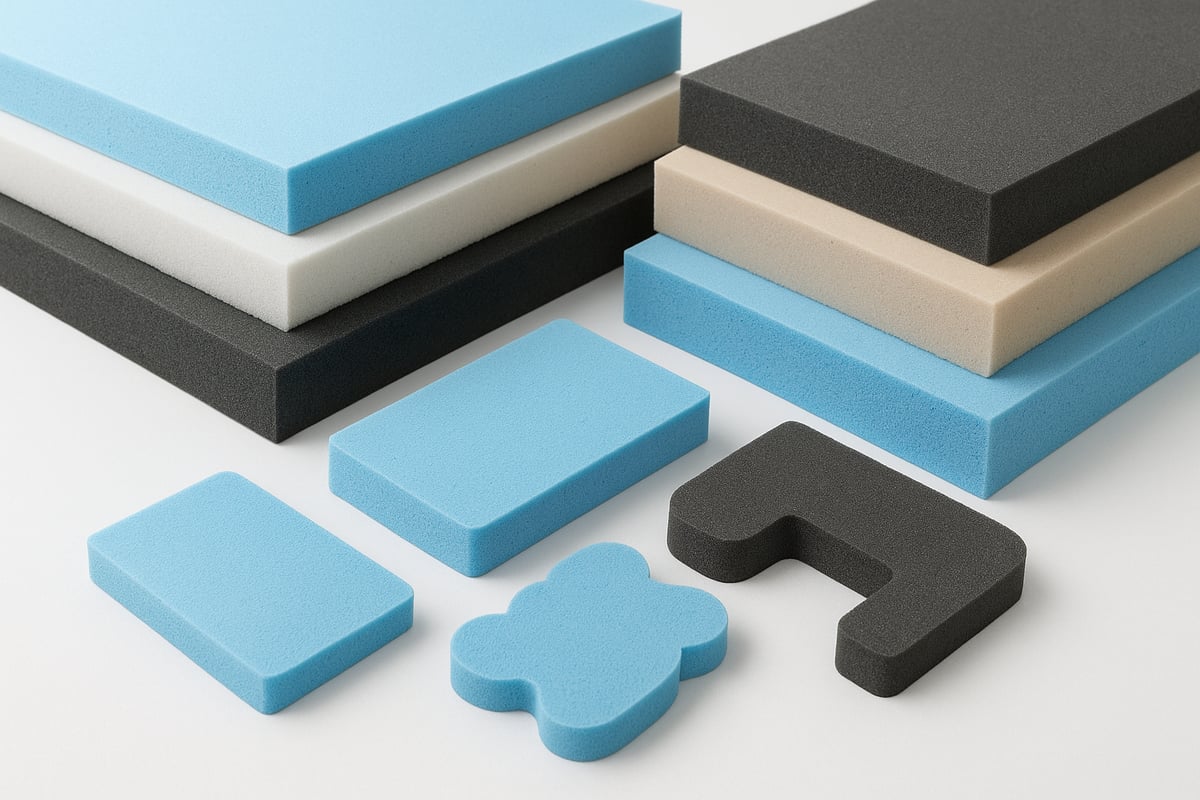
Ethylene vinyl acetate foam sheet is made from a copolymer of ethylene and vinyl acetate. This composition gives it a closed-cell structure, offering softness and flexibility. Compared to polyurethane or polyethylene foams, EVA stands out for its balance of comfort and resilience. The manufacturing process involves mixing, molding, and foaming the polymer blend, resulting in sheets that can be easily shaped or cut. Common uses include sports equipment, footwear midsoles, packaging, and medical products. For a deeper dive into the material's molecular structure and applications, see this comprehensive overview of ethylene-vinyl acetate foam.
Physical and Mechanical Properties
When selecting an ethylene vinyl acetate foam sheet, it is important to consider density, hardness, and thickness. Densities typically range from 25 to 300 kg/m³, with hardness values measured on the Shore C scale. This foam resists water, UV rays, chemicals, and moderate temperature changes. Its closed-cell structure provides excellent cushioning, shock absorption, and insulation. Tensile strength values usually fall between 0.2 and 1.7 MPa, with elongation rates up to 600 percent. In real-world applications, EVA foam sheets maintain their shape and performance for extended periods.
Advantages Over Other Materials
One major benefit of using ethylene vinyl acetate foam sheet is its lightweight nature, especially compared to rubber and PVC. EVA foam also recovers quickly after compression and is more resilient than many alternatives. Its non-toxic, odorless, and hypoallergenic features make it suitable for sensitive environments. Manufacturing costs are lower, supporting both large-scale and specialty production. For example, sports equipment made with EVA foam offers better shock absorption and comfort than traditional materials, enhancing athlete performance and safety.
Environmental and Safety Considerations
Modern ethylene vinyl acetate foam sheet options include recyclable and eco-friendly variants. Many meet rigorous safety standards like RoHS, REACH, and ASTM, ensuring low emissions and flame retardancy. EVA foam's low volatile organic compound (VOC) levels make it safe for children’s products and medical devices. Recent statistics show a rising adoption of green EVA foams across industries, reflecting both regulatory compliance and consumer demand for sustainable materials.
Common Misconceptions and Clarifications
Despite its popularity, some misconceptions persist about ethylene vinyl acetate foam sheet. It is often mistakenly labeled as toxic or non-durable, though certified EVA foam is safe for long-term use. While not biodegradable, many types are recyclable. There are also specific grades for food and medical applications, ensuring compliance with strict standards. Industry experts stress the importance of using the right sheet for each application, as improper use can impact safety and longevity.
Applications and Industry Use Cases in 2026
As industries evolve, the ethylene vinyl acetate foam sheet is making a significant impact across a range of sectors. Its adaptability and performance are driving innovation in both established and emerging markets. Below, we explore the leading applications that are shaping demand for ethylene vinyl acetate foam sheet through 2026.
Automotive and Transportation
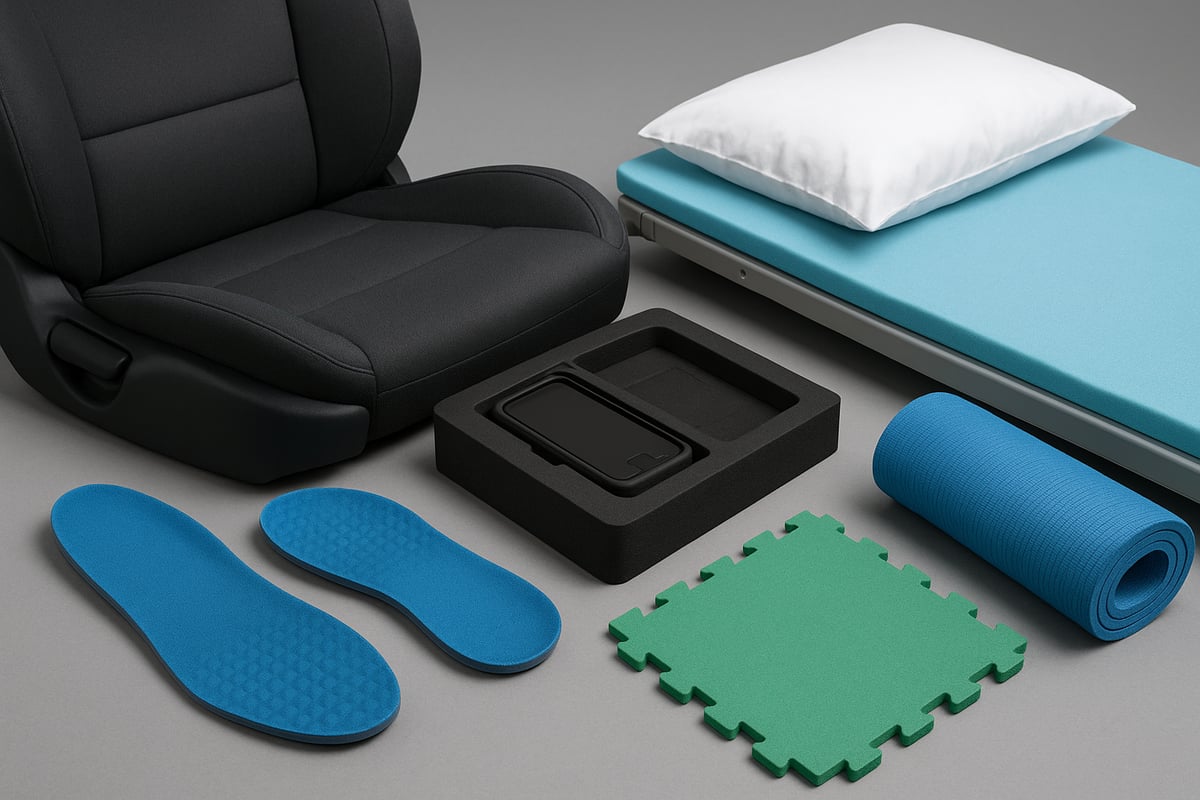
Automotive manufacturers are increasingly turning to ethylene vinyl acetate foam sheet for interior components, door panels, and insulation. This material offers excellent vibration dampening, helping to create quieter, more comfortable cabins.
Because ethylene vinyl acetate foam sheet is lightweight, it supports the industry's focus on reducing vehicle weight and improving fuel efficiency. Electric vehicle producers are especially keen on EVA foam for its thermal insulation and shock absorption. According to recent reports, the automotive sector’s use of EVA foam is projected to grow as manufacturers seek materials that balance durability, safety, and efficiency.
Footwear and Apparel
Footwear designers value ethylene vinyl acetate foam sheet for its cushioning and flexibility in midsoles, insoles, and sandals. This foam provides superior comfort and shock absorption, making it a staple in both athletic and casual shoes.
Compared to traditional rubber soles, ethylene vinyl acetate foam sheet offers a lighter, more resilient alternative. Leading brands like Nike and Adidas have introduced innovative EVA-based technologies in their product lines, enhancing performance and user experience. As consumer demand for comfort and durability rises, EVA foam continues to set new standards in the footwear industry.
Packaging and Protective Solutions
The packaging industry relies on ethylene vinyl acetate foam sheet for custom inserts that protect electronics, tools, and delicate goods. Its anti-static and anti-vibration properties make it ideal for safeguarding high-value products during transit.
A recent article on applications of large EVA foam sheets highlights its effectiveness in packaging solutions, noting cost and performance advantages over materials like polystyrene. Companies benefit from the foam’s versatility, as it can be easily cut and shaped for specific needs, reducing waste and improving product safety.
Medical and Healthcare
In medical and healthcare settings, ethylene vinyl acetate foam sheet is used in orthotics, prosthetics, and patient support devices. Its hypoallergenic and non-toxic nature makes it suitable for sensitive environments like hospitals and clinics.
EVA foam is also found in hospital bedding, mats, and cushioning devices, where hygiene and comfort are critical. The demand for hypoallergenic materials is increasing, and ethylene vinyl acetate foam sheet is meeting these needs with its cleanability and gentle touch. This trend is expected to accelerate as healthcare providers seek safe, high-performance materials.
Sports, Leisure, and Recreation
The versatility of ethylene vinyl acetate foam sheet extends to sports and recreation. It is commonly used in yoga mats, sports pads, helmets, and water-resistant products for pools and marine environments.
For example, surfboard traction pads and camping mats often feature EVA foam due to its durability and buoyancy. The growing popularity of home fitness and outdoor activities has driven a surge in demand for lightweight, comfortable, and resilient sports gear. The foam’s adaptability ensures it remains a core material for both professionals and enthusiasts.
Construction and Interior Design
In the construction and design sectors, ethylene vinyl acetate foam sheet is valued for its soundproofing and insulation capabilities. Builders use it as underlayment beneath flooring and as decorative wall panels or architectural accents.
Its durability and ease of installation make it a preferred choice for modular flooring systems and noise reduction solutions. Designers appreciate the flexibility of ethylene vinyl acetate foam sheet, which can be cut to fit various shapes and sizes. As trends shift toward sustainable and efficient building materials, EVA foam is poised for continued growth in interior applications.
Key Trends and Innovations Shaping EVA Foam Sheets by 2026
As the market for advanced materials evolves, several key trends are shaping the future of ethylene vinyl acetate foam sheet technology. Innovations in sustainability, manufacturing, performance, smart integration, regulations, and global supply chains are driving rapid transformation. Understanding these trends empowers businesses and designers to make informed decisions about ethylene vinyl acetate foam sheet applications in 2026.
Sustainability and Eco-Friendly Developments
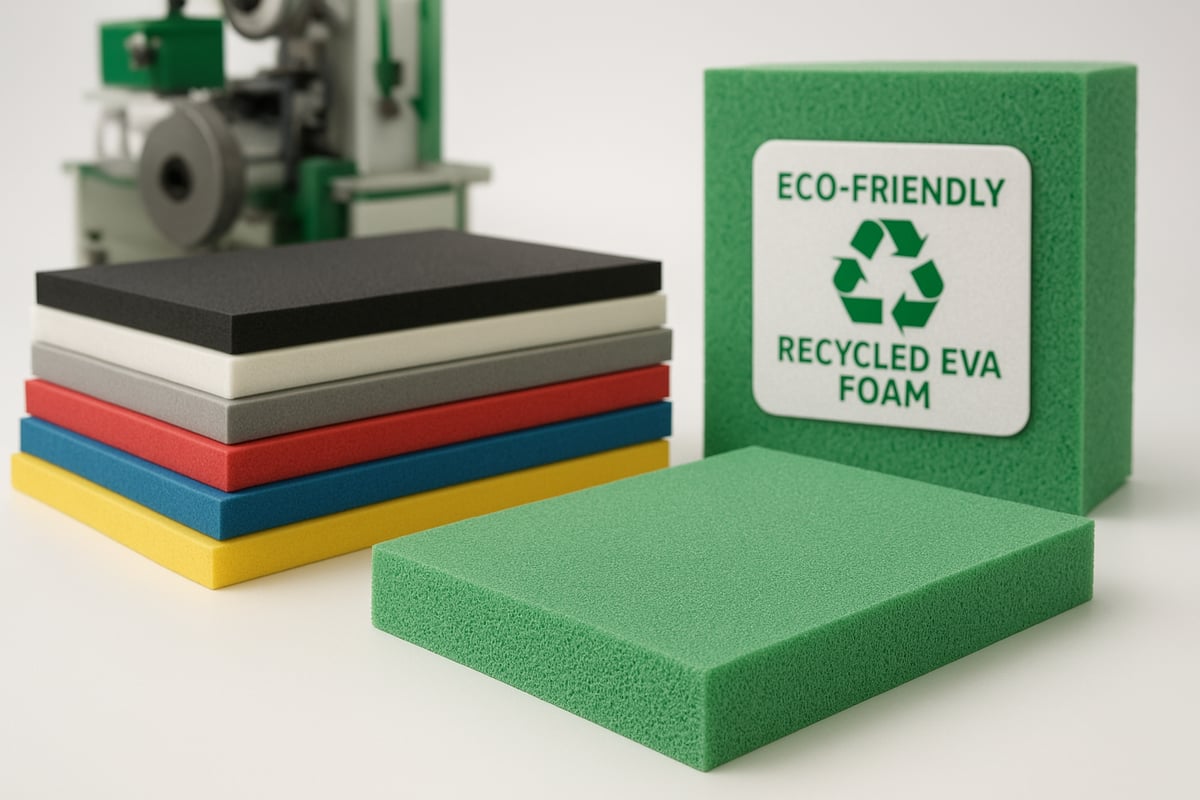
Sustainability is a leading trend in the ethylene vinyl acetate foam sheet industry. Manufacturers are developing biodegradable and recyclable EVA formulations, responding to both regulatory pressures and consumer demand for greener materials.
Companies are introducing bio-based additives and renewable resources into production. Recycled content is becoming more common, helping reduce environmental impact. Many ethylene vinyl acetate foam sheet products now meet stringent eco-certifications, supporting green building and product initiatives.
As the market shifts, expect to see more companies investing in closed-loop recycling systems. This approach not only minimizes waste but also sets new standards for circular economy practices within the ethylene vinyl acetate foam sheet sector.
Advanced Manufacturing and Customization
Advances in manufacturing are transforming how ethylene vinyl acetate foam sheet products are made and used. Precision molding, die-cutting, and 3D printing technologies now allow for highly customized shapes and sizes.
Digital design tools enable rapid prototyping and small-batch production, making it easier to create tailored solutions for specific industries. On-demand manufacturing reduces inventory waste and shortens lead times for clients.
Personalized products and limited-edition releases are increasingly common. This trend allows designers to differentiate their offerings, while the versatility of ethylene vinyl acetate foam sheet supports innovation across markets.
Enhanced Performance and Functional Additives
Performance enhancements are a major focus for ethylene vinyl acetate foam sheet developers. Integrating antimicrobial, anti-static, and flame-retardant agents has become standard for specialty applications.
UV-resistant and weatherproof formulations are expanding the use of ethylene vinyl acetate foam sheet in outdoor and demanding environments. Manufacturers are also improving cushioning and shock absorption by refining cell structure and density.
Market research shows specialty EVA foams are gaining a larger share, especially in healthcare, automotive, and sports industries. Feedback from end-users highlights the improved reliability and lifespan of next-generation ethylene vinyl acetate foam sheet products.
Smart and Connected Materials
The integration of smart technology is revolutionizing ethylene vinyl acetate foam sheet applications. Embedded sensors and conductive layers enable new functionalities, such as pressure-sensing in smart footwear and wearables.
These advancements support the development of Internet of Things (IoT) devices, where ethylene vinyl acetate foam sheet acts as both a functional and interactive component. For example, pressure-sensing insoles are now possible, thanks to the material’s flexibility and compatibility with electronic components.
Looking ahead, the smart materials market is expected to see strong growth, with ethylene vinyl acetate foam sheet playing a pivotal role in next-generation consumer and industrial products.
Regulatory and Safety Landscape
Regulations are continually evolving for ethylene vinyl acetate foam sheet products. Compliance with international standards for food contact, medical use, and children’s safety is increasingly important for manufacturers.
Stricter environmental policies are influencing material selection and production processes. Companies must adapt to changing requirements, such as low VOC emissions and flame retardancy standards.
Recent regulatory changes in major markets have prompted investment in safer, more sustainable ethylene vinyl acetate foam sheet variants. This ensures continued access to global markets and aligns with consumer expectations for safe, reliable products.
Market Dynamics and Global Supply Chain
The ethylene vinyl acetate foam sheet market is experiencing significant growth, driven by demand in sectors like healthcare, automotive, and renewable energy. Key producers are concentrated in Asia, Europe, and North America, creating a competitive and dynamic global landscape.
Post-pandemic supply chain challenges have led to increased focus on local sourcing and resilient logistics. Price trends fluctuate based on raw material availability, trade policies, and production efficiency.
According to a recent market growth forecast, the ethylene vinyl acetate market is projected to reach $13.6 billion by 2026. This underscores the growing importance and widespread adoption of ethylene vinyl acetate foam sheet solutions worldwide.
How to Select the Right EVA Foam Sheet for Your Needs
Selecting the ideal ethylene vinyl acetate foam sheet can transform the outcome of your project. With countless grades, sizes, and performance options available, understanding how to choose the right sheet ensures you achieve optimal results, whether for industrial, commercial, or creative use.
Assessing Application Requirements
Begin your selection process by identifying the specific use for your ethylene vinyl acetate foam sheet. Is your project focused on cushioning, insulation, or protective packaging? Each application demands different properties.
Consider the required thickness, density, and hardness. For example, marine environments require closed-cell EVA foam with high water resistance, while automotive applications may prioritize vibration dampening and heat tolerance. Evaluate the environmental exposure, such as whether the sheet will be used indoors or outdoors and the range of temperatures and moisture it may face.
Matching the properties of the ethylene vinyl acetate foam sheet to your intended use will maximize its performance and lifespan.
Comparing Grades, Sizes, and Formats
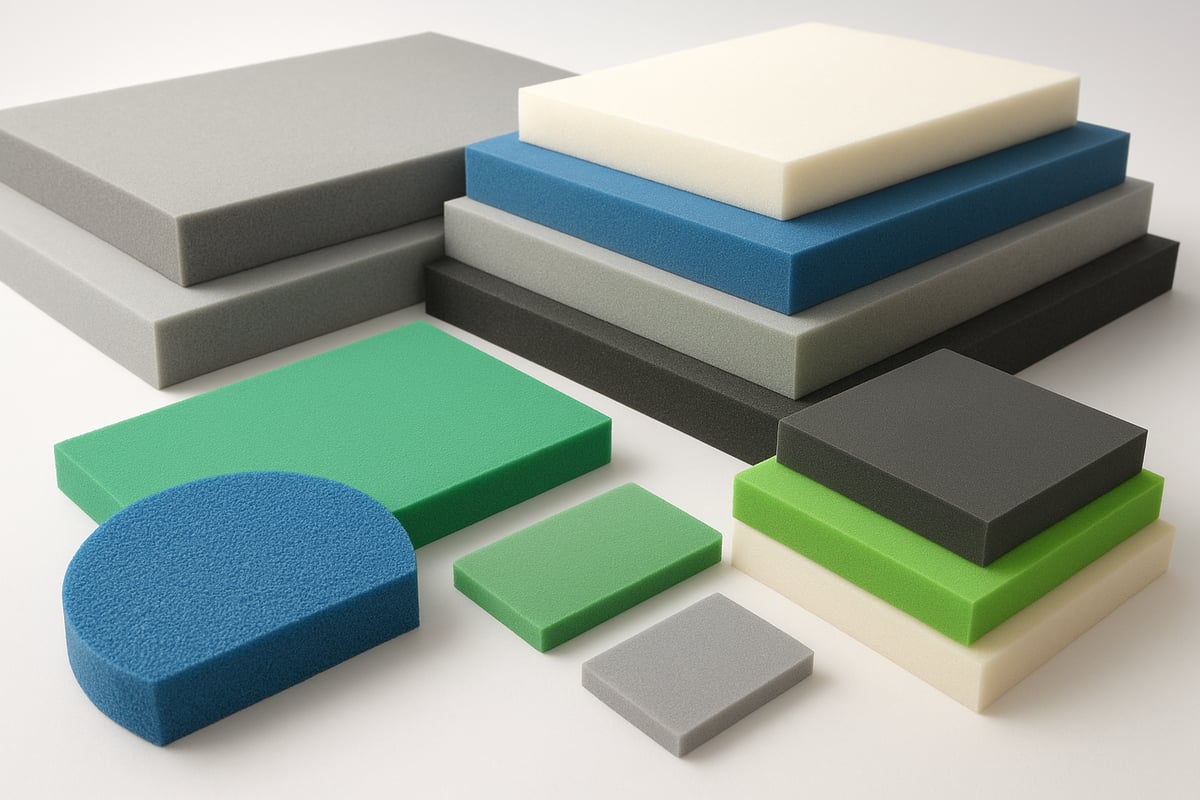
Ethylene vinyl acetate foam sheet options come in a variety of grades, including standard, medical, food, and flame-retardant types. Sizes range from small craft sheets to industrial rolls, and formats include both sheets and custom-cut pieces.
| Grade | Typical Use | Available Sizes | Special Features |
|---|---|---|---|
| Standard | General purpose | Sheets, rolls | Multiple colors |
| Medical | Healthcare devices | Sheets, custom cuts | Hypoallergenic |
| Food | Packaging, liners | Sheets, rolls | Food-safe certification |
| Flame-retardant | Safety applications | Sheets, rolls | Enhanced fire resistance |
When selecting an ethylene vinyl acetate foam sheet, consider color, texture, and surface finish. Always compare suppliers for availability and minimum order requirements to ensure your needs are met.
Evaluating Quality and Performance
To ensure you choose a high-quality ethylene vinyl acetate foam sheet, review technical datasheets provided by suppliers. Key indicators include tensile strength, compression set, and resistance to aging.
Look for industry certifications, such as ASTM or ISO standards, that guarantee consistent performance. Testing methods, like elongation and stress-strain analysis, help verify the material's suitability for safety-critical uses.
Lab-tested ethylene vinyl acetate foam sheet products provide confidence in long-term durability, especially for demanding environments like healthcare or automotive settings.
Cost Considerations and Budgeting
Budget plays a crucial role when choosing an ethylene vinyl acetate foam sheet. Calculate the price per sheet, explore bulk discounts, and assess the total cost of ownership over the product's life cycle.
Balance affordability with quality. Higher-grade sheets may have a greater upfront cost but offer longer replacement cycles and better performance. Compare the cost of EVA foam sheets with alternative materials, such as polyurethane or polystyrene, to make an informed decision.
A well-chosen ethylene vinyl acetate foam sheet can deliver excellent value, especially when considering its durability and low maintenance requirements.
Working with Suppliers and Manufacturers
Partnering with reputable suppliers is vital for securing high-quality ethylene vinyl acetate foam sheet materials. Start by vetting companies based on reviews, certifications, and industry experience.
Request samples and prototypes to validate material suitability before placing large orders. Discuss customization options and lead times, especially for unique thicknesses, densities, or surface finishes.
For large-scale projects, building strong supplier relationships ensures timely delivery and consistent quality of ethylene vinyl acetate foam sheet products.
Tips for DIYers and Crafters
For hobbyists and small-scale users, sourcing specialty ethylene vinyl acetate foam sheet colors and textures is easier than ever. Purchase small quantities from craft suppliers or specialty stores.
When working at home, use sharp blades for clean cuts, and select adhesives compatible with EVA foam. Always follow safety guidelines for cutting and storage. For inspiration and step-by-step guides, explore resources like Crafting with EVA foam glitter sheets to unlock creative possibilities.
A few helpful DIY tips:
- Test fit pieces before gluing
- Use templates for complex shapes
- Store sheets flat to prevent warping
With the right ethylene vinyl acetate foam sheet and a little creativity, your projects can achieve professional-quality results.
Processing, Fabrication, and Maintenance of EVA Foam Sheets
Processing and maintaining ethylene vinyl acetate foam sheet products requires a combination of practical skills and an understanding of material properties. Each step, from fabrication to care, supports long-lasting performance and versatility in applications.
Cutting and Shaping Techniques
Cutting ethylene vinyl acetate foam sheet materials can be done by hand or with machines, depending on project requirements. For basic shapes, sharp utility knives or scissors work well, while complex patterns often benefit from laser or die-cutting equipment. Always secure the sheet on a stable surface to prevent slipping.
- Manual cutting: Use metal rulers for straight lines.
- Machine cutting: Laser and die-cutting ensure precision for detailed work.
- Safety: Wear gloves and keep blades sharp to avoid jagged edges.
For creative projects, explore EVA foam crafting techniques to achieve clean finishes and intricate designs. Proper technique ensures each ethylene vinyl acetate foam sheet retains its structure and intended function.
Bonding, Joining, and Assembly
When bonding ethylene vinyl acetate foam sheet components, select adhesives compatible with closed-cell foams. Hot glue guns, contact cement, and double-sided tapes are popular for strong, flexible joints. For industrial assembly, heat welding and ultrasonic joining offer seamless, durable bonds.
Tips for reliable assembly:
- Test adhesives on scrap pieces first.
- Apply glue evenly to avoid lumps.
- Clamp or press sheets together for optimal curing.
Proper joining techniques ensure ethylene vinyl acetate foam sheet projects maintain integrity under repeated use and stress.
Surface Treatment and Decoration
Surface treatments enhance both the appearance and durability of ethylene vinyl acetate foam sheet products. Painting is possible with acrylic or latex paints, while screen printing and laminating add logos or protective layers.
Decoration methods:
- Use stencils for sharp patterns.
- Apply textures with embossing tools.
- Laminate for added water resistance.
Choose coatings that flex with the foam to prevent cracking. These approaches help ethylene vinyl acetate foam sheet items stand out in both functional and decorative applications.
Cleaning, Care, and Maintenance
Maintaining ethylene vinyl acetate foam sheet products is straightforward with the right routine. Wipe surfaces with a damp cloth and mild soap to remove dirt. Avoid harsh chemicals, which may degrade the foam’s structure.
- Prevent mold by drying sheets thoroughly after cleaning.
- Store flat in a cool, dry area to avoid warping.
- Rotate items in use to extend lifespan.
With regular care, ethylene vinyl acetate foam sheet goods retain their cushioning and protective qualities for years.
Repair and Recycling Options
Minor damage to ethylene vinyl acetate foam sheet products is repairable with patching or re-bonding techniques. Apply compatible adhesives to small tears or holes, press firmly, and allow to cure. For larger repairs, cut a replacement piece and bond in place.
- Surface restoration: Sand lightly to smooth scuffs.
- Recycling: Check local facilities for foam recycling programs.
- Upcycle: Repurpose scraps for craft or insulation projects.
Responsible repair and recycling practices extend the utility of each ethylene vinyl acetate foam sheet and support sustainability.
Safety and Handling Guidelines
Safety is crucial when working with ethylene vinyl acetate foam sheet materials. Always wear gloves and eye protection during cutting or assembly. Store sheets away from heat sources and direct sunlight to prevent deformation.
- Ventilate workspaces when using adhesives.
- Dispose of scraps according to local regulations.
- Follow manufacturer guidelines for workplace safety.
Adhering to these best practices ensures the safe handling and longevity of ethylene vinyl acetate foam sheet products in any environment.
The Future of EVA Foam Sheets: Opportunities and Challenges for 2026
As the landscape for ethylene vinyl acetate foam sheet evolves, the future holds both promise and complexity. Companies are adapting to new technologies, changing regulations, and growing demand for sustainable and high-performance solutions. Let us explore the opportunities and challenges shaping ethylene vinyl acetate foam sheet use through 2026.
Emerging Markets and Applications
The ethylene vinyl acetate foam sheet market is expanding rapidly into emerging sectors. Electric vehicles are driving increased demand for lightweight, durable foam components used in battery protection and insulation. In renewable energy, EVA foam sheets are critical for solar panel encapsulation, improving module longevity. Healthcare applications are also growing, with EVA foam supporting orthotics, prosthetics, and hospital equipment. Robotics and automation call for reliable, shock-absorbing materials, while drone manufacturers use EVA foam for lightweight structural parts. These trends underscore the versatile role of ethylene vinyl acetate foam sheet in next-generation products.
Technological Advancements and Research
Research and development are leading to major breakthroughs in ethylene vinyl acetate foam sheet performance and sustainability. Collaboration between academia and industry is producing high-performance nanocomposite foams with enhanced strength and flexibility. In medical technology, studies such as EVA Foam in Radiotherapy Applications highlight EVA foam's precise physical properties and adaptability for sensitive healthcare uses. Ongoing R&D focuses on bio-based formulations, improved recyclability, and custom-engineered properties, ensuring that ethylene vinyl acetate foam sheet remains competitive and relevant for advanced applications.
Supply Chain and Geopolitical Factors
Global supply chains for ethylene vinyl acetate foam sheet face new challenges and opportunities. Raw material shortages and shifting trade policies have prompted manufacturers to diversify sourcing and invest in local production hubs. The pandemic highlighted the need for resilient logistics, leading to increased inventory buffers and digital supply chain management. Key regions, including Asia-Pacific and North America, are emerging as major production centers. As companies adapt to these changes, the ethylene vinyl acetate foam sheet industry is becoming more agile, ensuring steady supply for a growing array of markets.
Consumer Trends and Customization
Customization is reshaping the ethylene vinyl acetate foam sheet landscape. Consumers and businesses alike seek personalized, aesthetically pleasing products, from custom-fit insoles to decorative panels. The rise of e-commerce and direct-to-consumer channels has made it easier for hobbyists and makers to access tailored EVA foam solutions. Small-batch production and on-demand manufacturing allow brands to offer unique, limited-edition items. For example, designers are leveraging EVA foam to create giant foam flowers for decoration, illustrating the material's creative potential.
Environmental and Regulatory Challenges
Environmental responsibility is a growing concern for ethylene vinyl acetate foam sheet producers. Regulatory changes are pushing the industry toward improved recycling and sustainable sourcing. Disposal and end-of-life management of EVA foam remain challenging, as highlighted in the EVA Foam Environmental Impact Study, which discusses decomposition risks and safe handling. Industry initiatives are exploring circular economy models and eco-friendly additives to minimize environmental impact. Companies that prioritize compliance and green innovation are likely to lead the way in the years ahead.
As we’ve explored in this guide, EVA foam sheets are redefining what’s possible in design, fabrication, and event experiences heading into 2026. Whether you’re an industry professional seeking the next big thing or a creative looking to make a statement, the durability, flexibility, and eco-friendly nature of EVA foam open endless avenues. If you’re curious about how these innovative materials can be transformed into extraordinary floral sculptures that leave a lasting impression, you’ll want to see what’s possible.
Want to know more about these flowers?