10 Unforgettable Wedding Decoration Trends for 2026

Planning your dream wedding means creating an atmosphere that reflects your unique love story. With so many options, crafting an unforgettable experience can feel overwhelming. The secret is mastering the latest wedding decoration trends. Modern weddings are about creating immersive, personalized, and breathtaking environments that move beyond generic centerpieces. This guide provides clear steps to help you achieve a stunning aesthetic that guests will remember for years.
Here's how to benefit from these top trends and make your wedding stand out:
These trends are adaptable to any setting. For couples dreaming of an al fresco celebration, exploring these inspiring 9 Outdoor Wedding Reception Ideas can provide a wealth of inspiration for creating a memorable event. Let's dive into the styles that are redefining wedding decor, turning your vision into a beautifully executed reality.
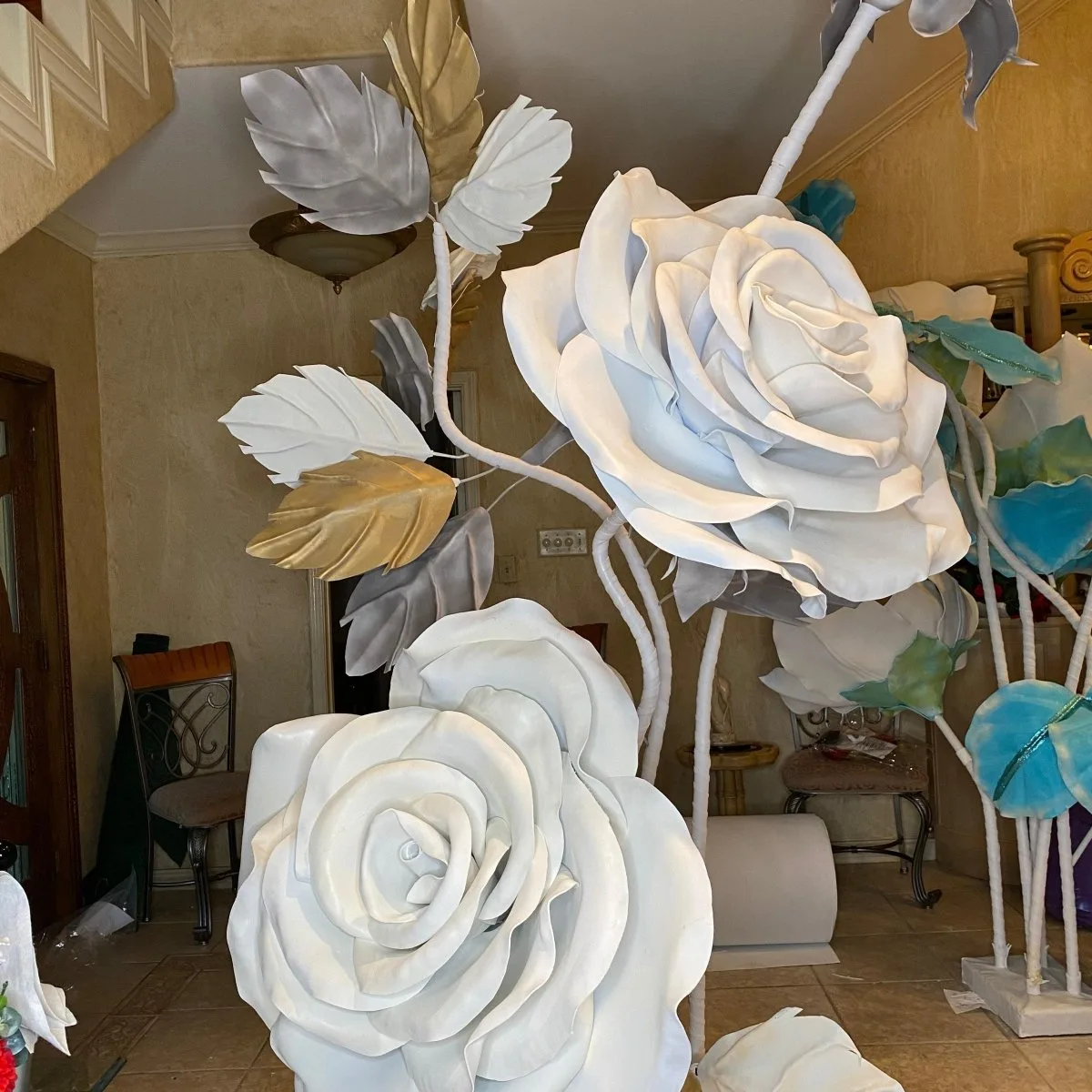
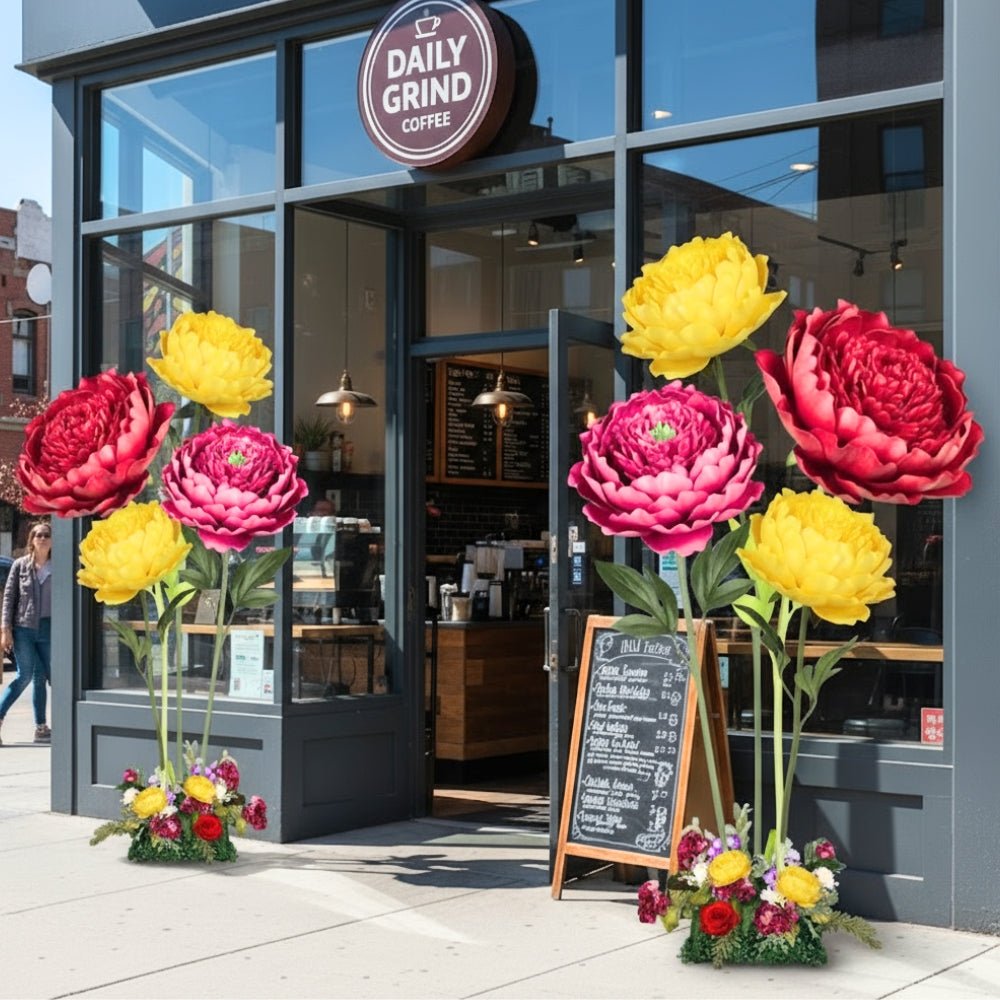
Moving far beyond traditional altar arrangements, oversized floral installations are a dominant force in current wedding decoration trends. These architectural-scale blooms create dramatic, immersive backdrops that redefine a venue’s atmosphere. Instead of just decorating a space, these installations become the centerpiece, serving as a focal point for ceremonies, head tables, or luxe photo opportunities. The goal is to craft an environment that feels both grand and personal, leaving a lasting impression on guests.
To ensure a smooth process, begin planning these installations at least 2-3 months in advance, especially for custom builds. Always request mockups and 3D renderings to visualize the final product. For those interested in a more hands-on approach, DIY wedding backdrop ideas can provide a cost-effective yet stunning alternative.
Key Consideration: Always confirm venue logistics. Check ceiling height, rigging points, and load-bearing capacity during the initial consultation to avoid last-minute complications with suspended or exceptionally large structures. Also, schedule dedicated time for professional installation and breakdown in your event timeline.
A growing consciousness about environmental impact is shaping wedding decoration trends, with many couples now prioritizing sustainable and eco-friendly choices. This approach moves beyond traditional floral waste by incorporating biodegradable materials, locally sourced blooms, and reusable installations. The focus is on creating a luxurious aesthetic that is also mindful, proving that elegance and environmental responsibility can go hand in hand. Alternatives like handcrafted EVA foam or paper flowers reduce waste while offering remarkable durability and reusability for future events.
To effectively offer sustainable options, start by educating clients on the long-term benefits and beauty of reusable or eco-conscious materials. Documenting your sustainability practices, such as using carbon-neutral shipping or eco-friendly packaging, can be a powerful marketing tool. Build relationships with suppliers who share these values. Companies like Amazing Giant Flowers are leaders in this space, providing USA-handcrafted, reusable EVA foam flowers that serve as stunning and responsible alternatives to traditional fresh floral decor.
Key Consideration: Sustainability requires planning from the very beginning. Discuss options like rental, resale, or post-event storage with clients upfront. For reusable installations, ensure you have a clear plan for breakdown, transport, and storage to maintain their condition for future use.
The modern wedding embraces guest participation, and interactive flower installations are at the forefront of this movement. These stations turn decorative elements into engaging activities, encouraging guests to create and share their own content. The focus shifts from passive observation to active interaction, transforming a beautiful floral backdrop into a social media hub that generates organic buzz and lasting memories.
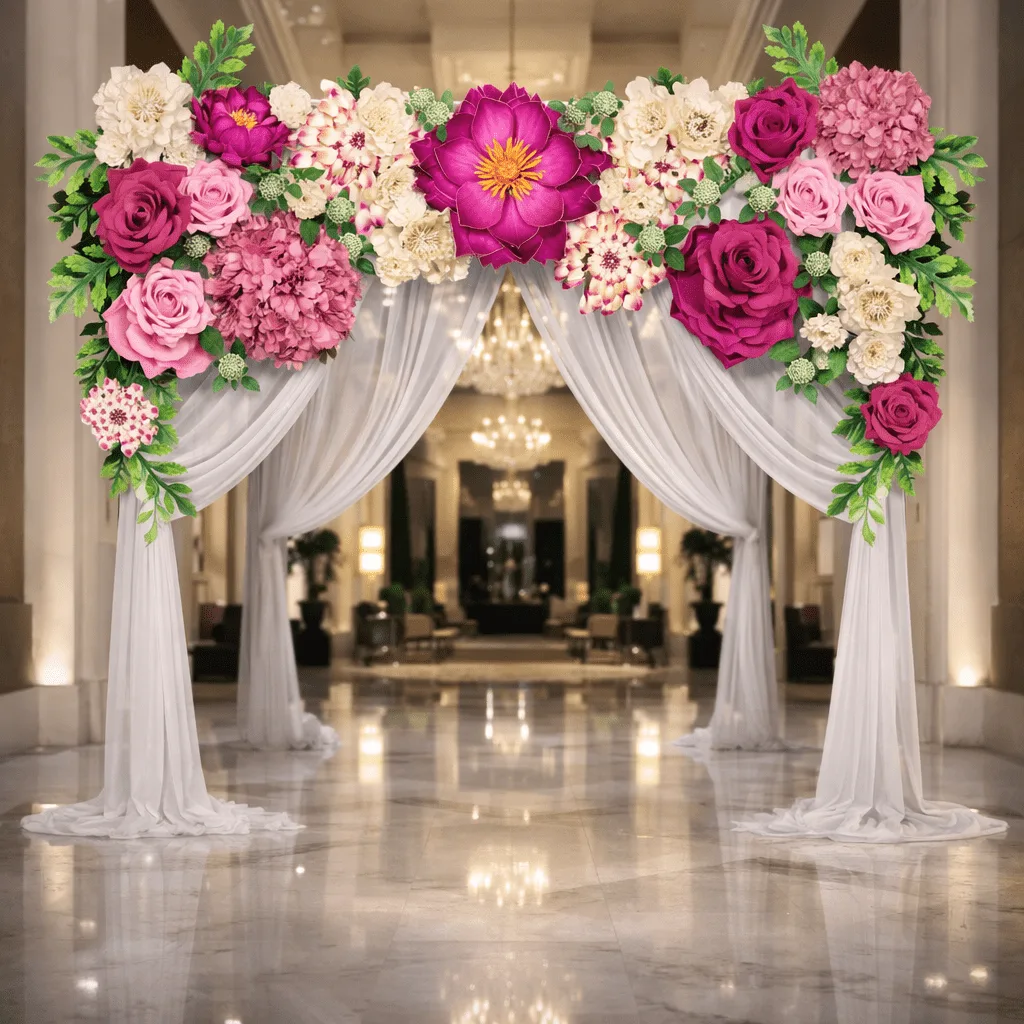
Plan the selfie station’s location during the initial layout design, ensuring it has adequate space and access to power for lighting. To maximize sharing, prominently display the wedding hashtag on-site. For couples seeking creative inspiration, exploring various wedding photo booth backdrop ideas can offer a wealth of styles and concepts to make their station unique.
Key Consideration: The success of an interactive station is measured by guest engagement. Position the installation in a high-traffic area, but away from major bottlenecks like the bar or entrance. Ensure the backdrop is sized correctly for group photos and test the lighting beforehand to guarantee flattering, high-quality images.
Moving away from flat, uniform bouquets, modern wedding decoration trends now emphasize texture, dimension, and layering in floral designs. This approach incorporates varied flower types, mixed materials, and architectural depth to create sophisticated, gallery-quality installations. The intent is to craft arrangements that feel dynamic and visually rich, adding a layer of artistry that elevates the entire event space. These multi-dimensional pieces photograph beautifully from every angle, creating compelling focal points.
Begin the design process by establishing a color family, then select flowers with complementary shapes and textures within that palette. Combining smooth petals with ruffled edges or architectural leaves adds complexity. Always build arrangements with the venue's sight lines in mind, ensuring they look intentional and complete from all guest perspectives.
Key Consideration: The key to a natural, high-end look is imperfection. Use odd numbers of stems and vary the spacing between blooms to avoid a manufactured appearance. When layering, ensure each element is visible and contributes to the overall texture without overcrowding the design.
Modern weddings are defined by cohesion, and one of the most impactful wedding decoration trends is the rise of personalized, color-matched floral installations. Couples now expect decorations to align perfectly with their overall aesthetic, from invitation fonts to the exact Pantone shade of their bridesmaid dresses. These made-to-measure builds move beyond standard options, offering a truly bespoke design that ensures every element of the decor feels intentional and unified.
To guarantee color accuracy, always request physical samples like paint chips or fabric swatches from your client. Build at least two rounds of revisions into your project timeline and pricing to allow for adjustments after the client reviews initial mockups. This removes guesswork and ensures the final product meets expectations.
Key Consideration: Establish a clear approval process before any construction begins. Use standardized color systems like Pantone to communicate shades accurately between the client, designer, and production team. Documenting these specifications ensures consistency from the initial 3D rendering to the final on-site installation.
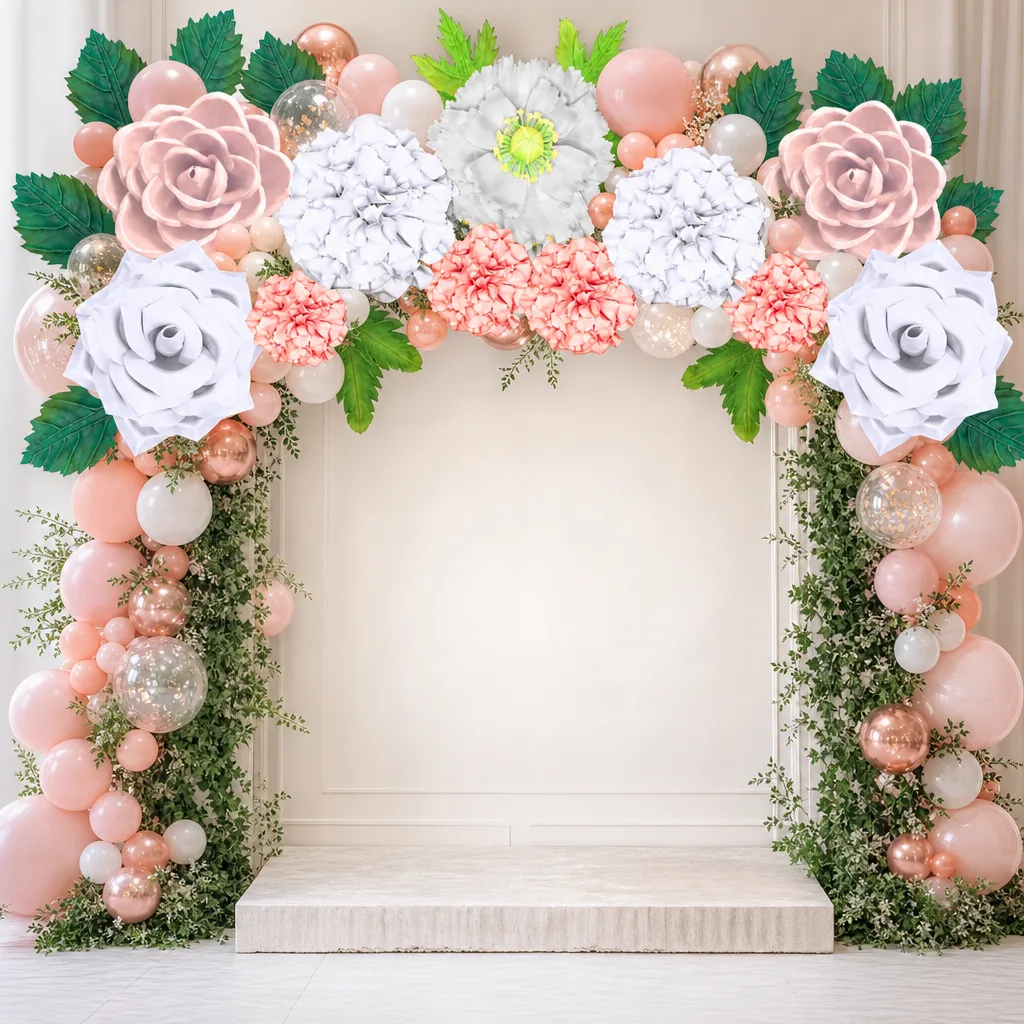
Statement entrances and botanical walls are a leading force in modern wedding decoration trends, designed to create powerful first impressions. These installations set the tone from the moment guests arrive, transforming standard venue entryways into immersive experiences. A grand floral arch or a lush botanical wall signals luxury and thoughtful design, immediately engaging guests and promising a memorable event ahead.
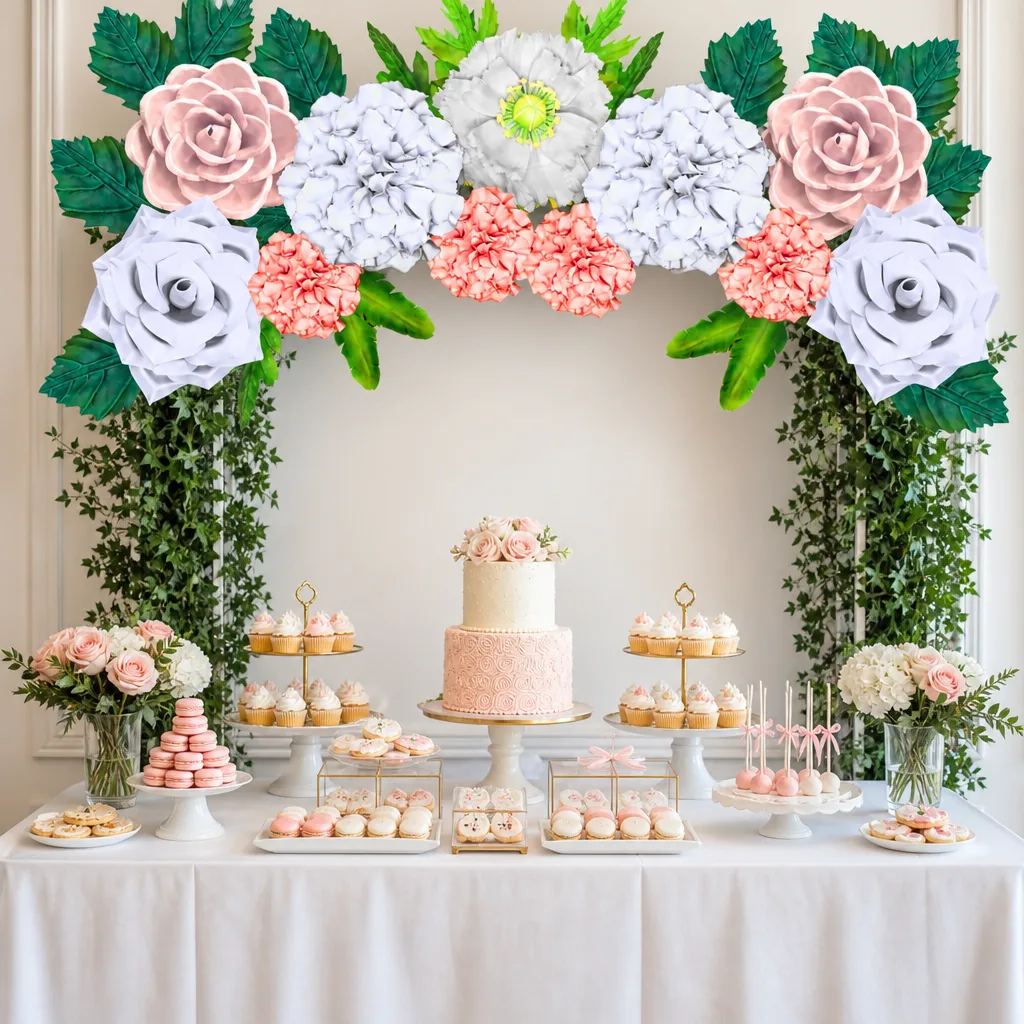
Begin discussions on these large-scale pieces 3-4 months out to allow for design, customization, and fabrication. For outdoor setups, factor in weather-proofing and wind resistance during the design phase. Always confirm the installation’s footprint to ensure it doesn't obstruct guest access, coat check, or emergency exits.
Key Consideration: Venue logistics are critical. Before finalizing a design, verify door and ceiling heights, access times for setup, and any fire safety regulations related to large structures. Ensure the installation is professionally secured and stable to eliminate any safety risks for guests and staff.
Shifting away from purely professional installations, a significant trend in wedding decorations involves hands-on, creative participation. The DIY and craft-your-own flower experience brings the wedding party and even guests into the decoration process. This approach is about more than just saving money; it builds community, creates lasting memories, and allows for deeply personalized decor. By using kits, supplies, and tutorials, couples can design custom floral elements that reflect their unique style.
For those new to crafting, start with smaller, manageable projects like individual blooms before tackling a full-scale installation. Always order extra materials to account for a learning curve and plan dedicated time for creation, as crafting can take longer than expected. Joining an online community or using video tutorials can provide valuable support and inspiration.
Key Consideration: Workspace organization is critical. Keep supplies clearly labeled and your area tidy to avoid frustration. Most importantly, make it a social event. Gathering friends and family not only speeds up the process but also turns a potentially stressful task into a fun, collaborative memory that enriches the wedding experience.
Contemporary weddings are embracing a “less is more” philosophy with minimalist floral aesthetics that emphasize clean lines, strategic spacing, and the power of negative space. This refined approach moves away from dense, overflowing arrangements toward curated, artistic installations. Instead of filling every corner with flowers, this trend uses select blooms to create intentional focal points, highlighting architectural elegance and understated luxury. The result is a clean, modern atmosphere that feels both purposeful and serene.
How to Achieve This Look:
- Step 1: Choose High-Impact Blooms. Select flowers with interesting shapes and structures, like giant proteas or calla lilies, where a single stem can make a statement.
- Step 2: Embrace Asymmetry and Space. Design arrangements where the empty space is just as important as the flowers themselves. An asymmetric or deconstructed arch creates a modern, artistic feel.
- Step 3: Use Strategic Placement. Place curated arrangements intentionally to highlight the venue's architecture or create specific focal points, rather than filling every available surface.
Use Cases and Benefits:
- Ceremony Backdrop: Use an asymmetric arrangement with a few carefully placed large-format flowers against a simple backdrop. Benefit: This creates a striking, artistic frame for your vows that feels modern and sophisticated.
- Table Centerpieces: Opt for single-stem arrangements in minimalist bud vases, grouped at varying heights. Benefit: This adds dimension without overwhelming the tablescape, allowing for easy conversation and a clean aesthetic.
- Statement Entrance: Create a deconstructed arch with two separate, slender floral pillars. Benefit: Companies like Amazing Giant Flowers offer individual statement blooms perfect for this high-impact, low-clutter look.
Actionable Notes for Planners
This aesthetic requires careful curation, so start by selecting blooms with interesting shapes and structures. Work with your florist to create a design where the empty space is as important as the flowers themselves. This is one of the wedding decoration trends that pairs beautifully with simple linens, modern typography, and clean venue lines, making it ideal for art galleries, industrial lofts, or modern estates.
Key Consideration: With fewer elements, the quality of each one is critical. Invest in high-quality blooms and vessels. Ensure lighting is strategically placed to highlight the unique forms and cast interesting shadows, turning your floral arrangements into sculptural art pieces. Proportion is everything, so map out placements within the venue to ensure the scale feels intentional, not accidental.
9. Seasonal and Regional Flower Selections
A significant shift in wedding decoration trends is the move toward seasonal and regional flowers. This approach prioritizes blooms that are naturally available during the wedding season and native to the event's location. Embracing this trend not only guarantees fresher, more vibrant florals but also creates a deeply authentic atmosphere that reflects the time and place of the celebration. It’s a conscious choice that connects the wedding's aesthetic to the natural world while often being more sustainable and budget-friendly.
How to Achieve This Look:
- Step 1: Research Local Flora. Collaborate with a local florist or flower farm to identify beautiful, native blooms that will be in season during your wedding.
- Step 2: Design Around the Season. Build your decor theme around what's naturally available. For example, use lush evergreens for a winter wedding or vibrant sunflowers for a late-summer event.
- Step 3: Tell a Story. Use signage or notes in the wedding program to share the significance of the chosen florals, highlighting their regional importance and your commitment to sustainability.
Use Cases and Benefits:
- Ceremony Decor: Line the aisle with potted local wildflowers or use native greenery for the altar. Benefit: This creates an authentic, natural atmosphere that seamlessly connects your ceremony to its surroundings.
- Reception Centerpieces: Create tablescapes using flowers sourced from nearby farms. Benefit: This guarantees peak freshness and vibrancy while supporting local agriculture and reducing your event's carbon footprint.
- Signature Photo Moment: Design a backdrop with iconic regional flowers, like the oversized Texas bluebonnets from Amazing Giant Flowers. Benefit: This serves as a memorable photo station that celebrates local pride and creates a unique sense of place. Explore their seasonal displays for more inspiration.
Actionable Notes for Planners
Begin discussions with local florists or flower farms 2-3 months ahead to understand peak bloom times and availability. Since nature can be unpredictable, always have a backup plan with alternative seasonal flowers in a similar color palette. Use signage or notes in the wedding program to educate guests on the significance of the chosen florals, highlighting their regional importance and the sustainable benefits of your choice.
Key Consideration: Aligning your wedding date with a specific flower’s peak season is ideal but requires flexibility. Always confirm with your florist what will be realistically available. This approach reduces transportation costs and environmental impact, but it demands more regional expertise and planning than ordering non-native species.
10. Experiential and Immersive Floral Environments
The latest evolution in wedding decoration trends is the creation of fully immersive floral environments. This approach moves beyond single statement backdrops to design entire events where floral installations define separate zones, guide guests through transitions, and envelop them in botanical wonder. Instead of just decorating a room, this trend crafts a multisensory journey, transforming the venue into a series of interconnected, flower-filled experiences.
How to Achieve This Look:
- Step 1: Map the Guest Journey. Plan a narrative flow from arrival to departure. Place distinct floral installations at each key point to guide guests and build anticipation.
- Step 2: Create Sensory Zones. Design different areas with unique characteristics. For example, create a "scent garden" near the lounge with fragrant flowers or a vibrant, colorful zone by the dance floor.
- Step 3: Use Florals to Transition Moods. Signal a shift in the event's energy by changing the floral design. Move from light, airy blooms during the ceremony to deep, dramatic arrangements for the evening party.
Use Cases and Benefits:
- Guest Journey: Use a blooming tunnel entrance, a freestanding floral field near the bar, and a photo archway at the exit. Benefit: This makes guests feel like they are moving through a living story, creating a highly memorable and engaging experience.
- Sensory Zones: Design a lounge area with fragrant flowers or a "texture room" with a mix of large-scale foam florals and soft textiles. Benefit: This engages multiple senses, making the environment more immersive and leaving a stronger impression.
- Thematic Transition: Use different floral styles for the ceremony, cocktail hour, and reception. Benefit: This helps define each part of the event and smoothly guides the emotional and energetic arc of the day.
Actionable Notes for Planners
To bring an immersive experience to life, begin with a detailed floor plan and a narrative concept at least 4-6 months out. Collaborate with experiential designers who understand how to manage guest flow and create emotional impact through decor. Custom builds, like those offered by Amazing Giant Flowers, can ensure each zone feels unique yet cohesive.
Key Consideration: An immersive design requires a bigger investment in both budget and logistics. Coordinate closely with your floral designer, lighting technician, and venue manager to ensure seamless transitions. A well-defined guest flow is critical; use signage or even a small program to guide guests through the intended journey and highlight the different experiences you have created for them.
Top 10 Wedding Decoration Trends Comparison
| Installation Type | 🔄 Implementation Complexity | ⚡ Resource Requirements | ⭐📊 Expected Outcomes | Ideal Use Cases | 💡 Quick Tip |
|---|---|---|---|---|---|
| Oversized Floral Installations as Statement Backdrops | High — custom engineering, venue coordination, structural support | High — large materials, skilled install crew, storage, higher budget | ⭐⭐⭐⭐⭐ — dramatic visual impact; strong social media shareability 📊 | Luxury weddings, hotel ballrooms, ceremony backdrops, photo moments | Plan 2–3 months ahead; request 3D mockups and professional install |
| Sustainable and Eco-Friendly Floral Design | Medium — sourcing, material verification, client education | Medium — reusable materials, local sourcing partnerships, possible higher upfront cost | ⭐⭐⭐⭐ — durab...Ready to Create Something Amazing?Browse our collection of giant flower kits and start your next project today. |